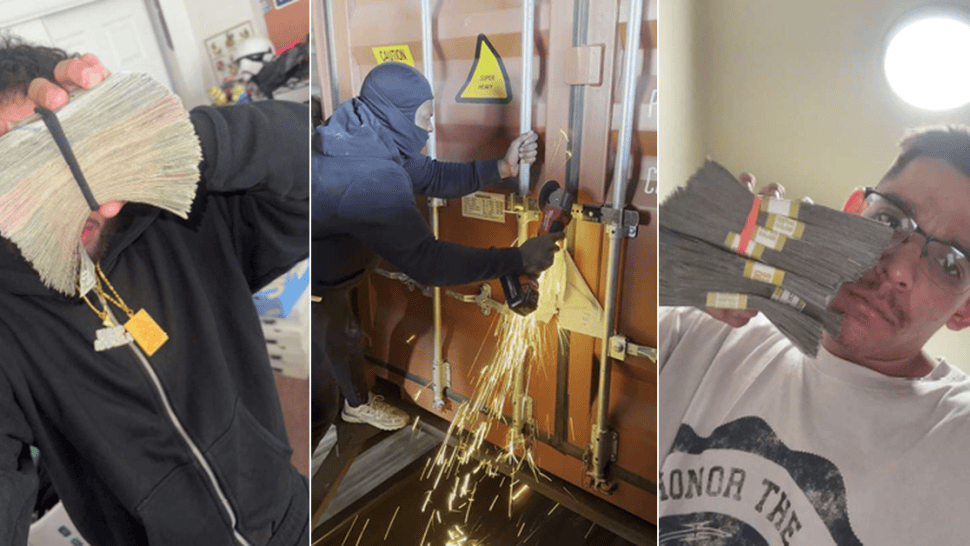

Federal prosecutors charged 14 people in an alleged $22.5 million cargo theft conspiracy targeting freight trains across Southern California. Nathan Daniel Angel, 21, of East Los Angeles, allegedly coordinated burglaries involving more than 70 shipping containers. The operation targeted Nike sneakers, Milwaukee tools, JBL electronics and other consumer products. Investigators traced shipments from railroad tracks to residential storage locations and commercial resale businesses.
The defendants allegedly cut train air hoses to trigger emergency stops before removing valuable freight. Accomplices drove trucks and vans to predetermined locations, collected merchandise and transported it to nearby residences. Other participants inventoried products, negotiated prices and arranged deliveries to buyers. Prosecutors describe train burglaries spanning February 2024 through August 2026.
A 49-page federal indictment, filed Nov. 12, details 122 overt acts connected to the operation. Charges include conspiracy, interstate railroad cargo theft, receiving stolen freight and violence against railroad carriers. Investigators identified Union Pacific and BNSF trains among the targets. Many shipments originated through the ports of Los Angeles and Long Beach.
The containers carried products destined for retailers and distribution centers across several states. Court records identify Indiana, Kansas, Texas and Pennsylvania among the intended destinations. Investigators obtained electronic communications, financial transactions and photographs documenting individual incidents. Those materials form much of the government’s case against the defendants.
How crews forced freight trains to stop
According to prosecutors, Angel coordinated participants who identified valuable shipments and selected locations along railroad tracks. Some suspects boarded trains while others operated vehicles or monitored surrounding areas. Donta Hedgeman allegedly helped disable equipment by cutting air hoses. The resulting pressure loss activated emergency brakes, allowing accomplices to remove cargo.
Federal investigators describe a March 11, 2025, burglary near Fullerton, California. Hedgeman texted Angel, “Where should I stop it,” at approximately 1:58 a.m. Angel responded four minutes later with a precise location along the tracks. Prosecutors accuse the crew of stealing Nike Air Max 270 sneakers during that operation.
Another exchange occurred July 29, 2025, during a theft involving JBL electronics. Hedgeman asked Angel, “Where u want me to cut it,” according to court records. Angel responded with an Apple Maps location near railroad tracks. Investigators estimate the missing products carried a retail value of about $158,000.
The indictment also describes the potential dangers of deliberately activating emergency braking systems. Sudden stops can damage couplers, separate equipment or cause railcars to derail. Federal authorities charged several defendants with violence against railroad carriers. Those counts concern incidents involving Union Pacific equipment carrying railroad personnel.
The group continued targeting trains during the summer of 2026, according to investigators. On July 15, conspirators allegedly stopped a Union Pacific shipment carrying Nike Air Jordan sneakers. Authorities valued at least 1,541 missing pairs at $269,835. Additional burglaries followed July 29, Aug. 5 and Aug. 6.
During the Aug. 6 incident, participants allegedly targeted unreleased Nike Air Jordan 9 “Space Jam” sneakers. The filing describes an emergency stop around 2:40 a.m. Investigators estimate the footwear carried a value of $299,050. The crew subsequently loaded merchandise into a box truck.
More than $1 million flowed through a resale business
Investigators connected portions of the merchandise to an unnamed Los Angeles sneaker and streetwear business. The indictment identifies the operation only as “Company 1.” Fredy Marquina and Carlos Luis Fernando Martinez allegedly supplied thousands of stolen Nike sneakers and other products. Between May and October 2025, the business paid approximately $1,081,493 for those purchases.
Financial records describe cash payments, wire transfers and deliveries to a Santa Monica warehouse. Marquina allegedly negotiated transactions while Martinez received funds through banking channels. Ricardo Mares also participated in transporting merchandise to designated locations. Prosecutors contend the company subsequently resold the products for profit.
One transaction followed a July 2025 burglary involving unreleased Nike Air Force 1 sneakers. Marquina offered a company representative 600 pairs for $60 each. The buyer responded, “I’ll buy all air forces … Bring asap.” Court records describe subsequent cash and wire payments totaling $32,500 for those shoes and other merchandise.
Another sale occurred Oct. 1, 2025, after thieves targeted Nike Air Max 95 sneakers. Investigators estimate the missing shipment carried a retail value of $294,120. Marquina negotiated approximately 693 pairs for $80 each. The defendants delivered those products to the Santa Monica warehouse that afternoon.
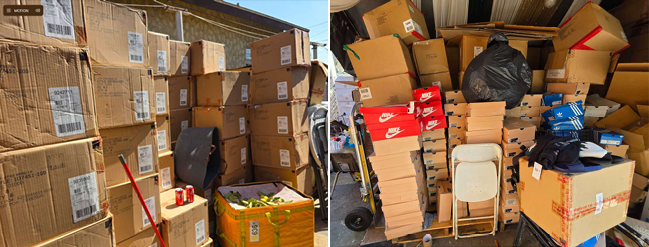
A separate resale operation involved social media accounts and residential storage. Jorge Angel Aguilar Espinoza allegedly received footwear, electronics and Milwaukee apparel at his Los Angeles residence. Investigators documented factory cartons, cash and inventory photographs connected to those transactions. Prosecutors contend Espinoza advertised merchandise online before selling it for profit.
Messages and photographs document the operation
Federal investigators obtained communications connecting defendants to individual burglaries and merchandise transactions. The indictment includes photographs allegedly captured during thefts in February and October 2024. One image shows a participant cutting a container lock aboard a moving train. Others depict valuable products, large cash bundles and storage locations.
A July 2026 Instagram conversation involved a group called “Los Trenes.” Participants shared images, shipment information and messages concerning railroad activity. On July 14, Angel posted, “We found shoes,” after reaching Union Pacific tracks. Another participant responded, “Whoop Jordan’s,” referencing Nike Air Jordan sneakers.
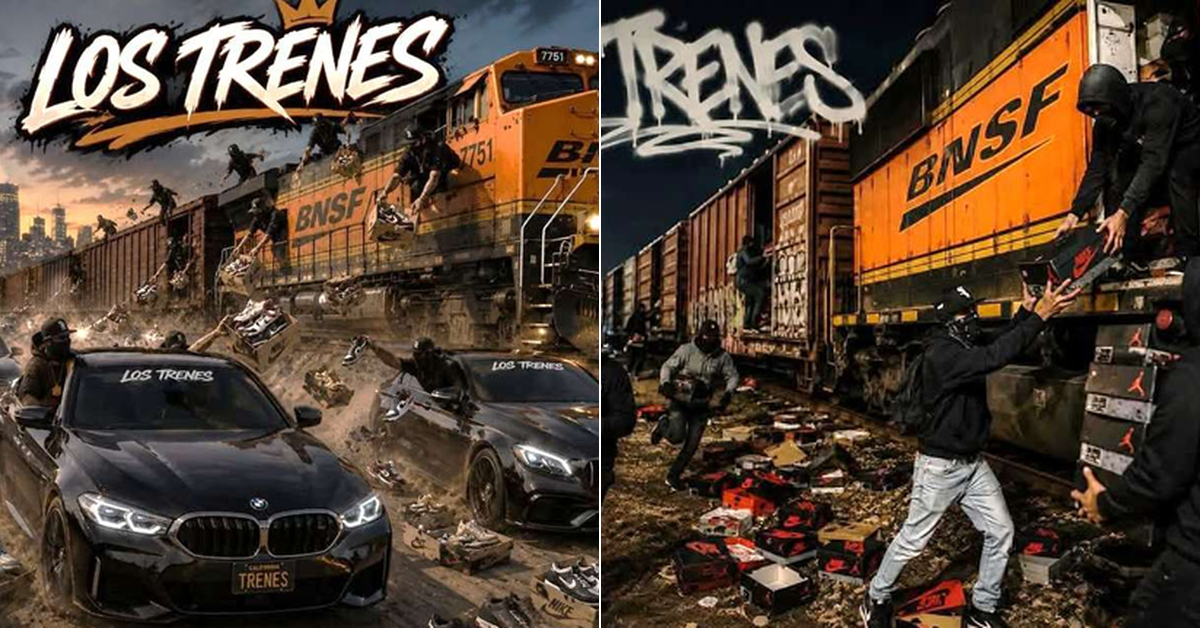
The following morning, prosecutors contend conspirators disabled a train and removed its cargo. Messages described the incident, including a participant writing, “Stopped it good.” Investigators also obtained video showing merchandise unloading at a storage location after another burglary. Court records identify several defendants through those communications.
Other exchanges show participants discussing tracking devices inside stolen shipments. In July 2025, Espinoza asked whether someone had checked merchandise boxes for trackers. An October message referenced a load containing such equipment. January 2026 communications also addressed arrests and missing inventory.
The 17-count indictment names Angel and 13 co-defendants across multiple criminal charges. Prosecutors seek forfeiture of proceeds traceable to the offenses if convictions occur. The indictment does not identify Company 1 by name or charge its representatives in this case. All defendants remain presumed innocent unless proven guilty.
Why it matters
The alleged scheme exposes how organized criminals can turn moving freight trains into targets without accessing traditional cargo facilities. Cutting air hoses creates derailment risks, threatens railroad workers and disrupts shipments moving across the country. The resale network also shows how stolen freight can reach commercial markets long after thieves leave the tracks.
Click here for more articles on cargo theft and freight fraud by Phil Brink.
$760K fuel-card fraud scheme tied to impersonated Michigan trucking company – FreightWaves
$11.4 million in NVIDIA hardware vanishes during shipment from California to Texas – FreightWaves