




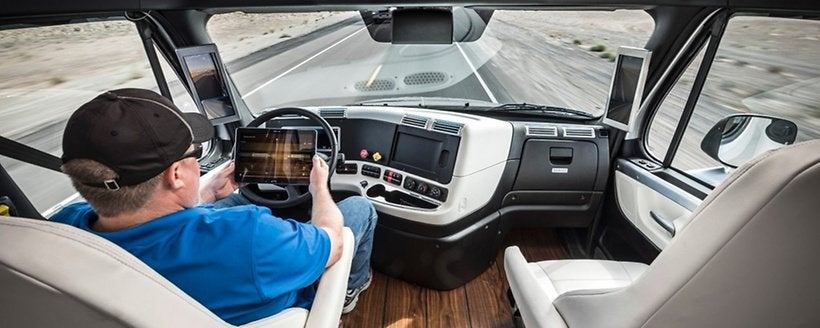
If you sit at a table of transportation stakeholders long enough, the topic of autonomous vehicles inevitably comes up. It is a hot enough topic that new entries to the space seem to be cropping up daily.
A University of Michigan study found that only 9.7% of those surveyed said they have no concerns about fully autonomous vehicles. Only 16% would pick a fully autonomous vehicle if given a choice, with 39% preferring partially autonomous vehicles. A full 66% are moderately or very concerned about the technology.
And that was a survey on just autonomous cars. Throw a big rig into the equation, and the concern rises.
Within the transportation industry, though, concern is less, with more people focused on the disruption self-driving technology may have. A recent Princeton Consultants survey of 149 transportation stakeholders found that 40% believe autonomous vehicles will have a moderate to large impact on the industry.
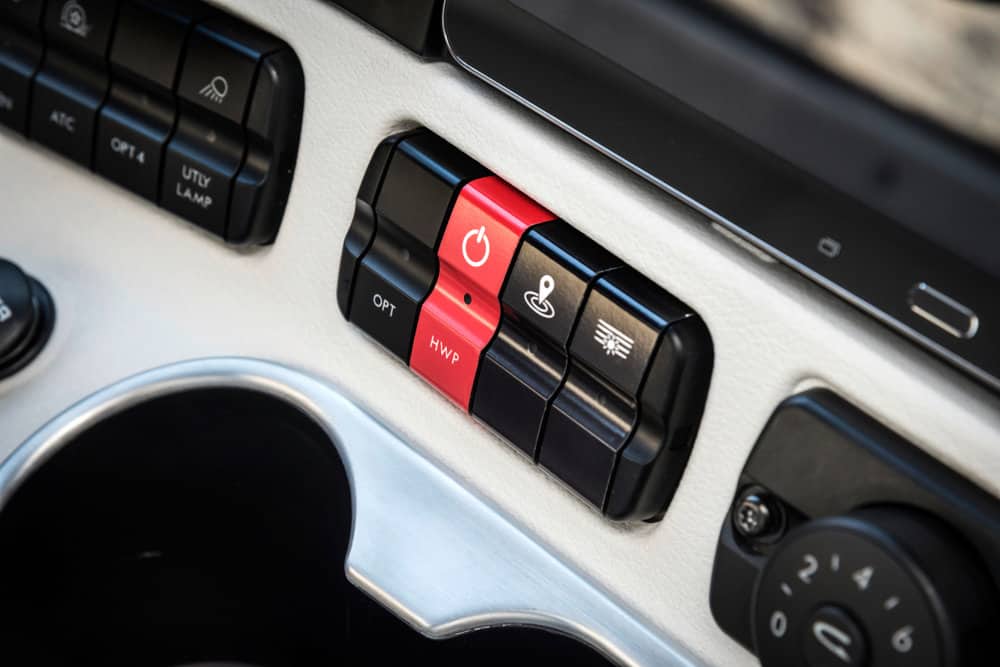
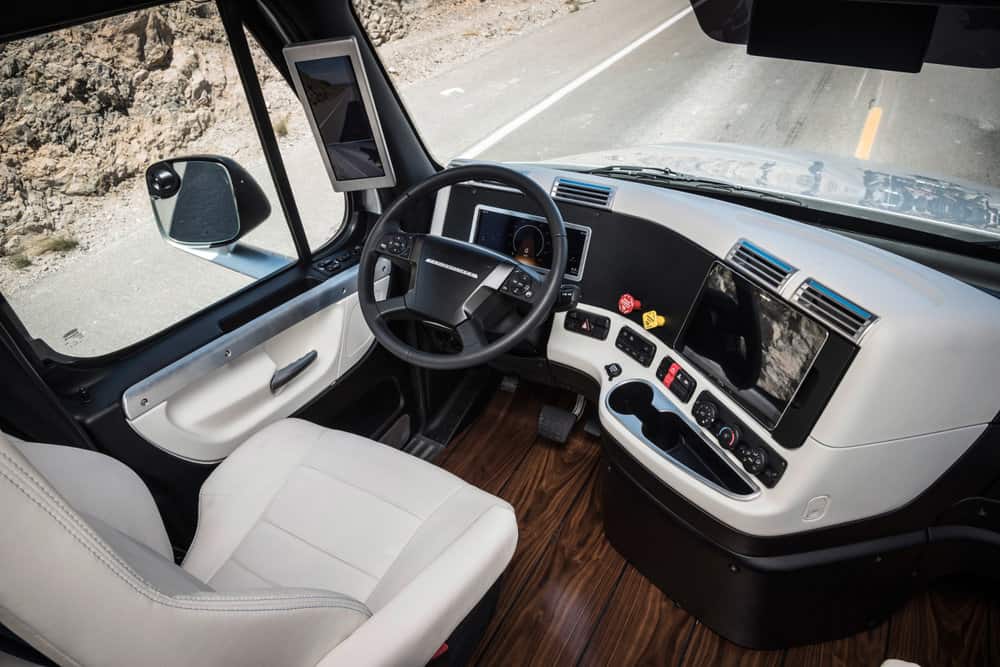
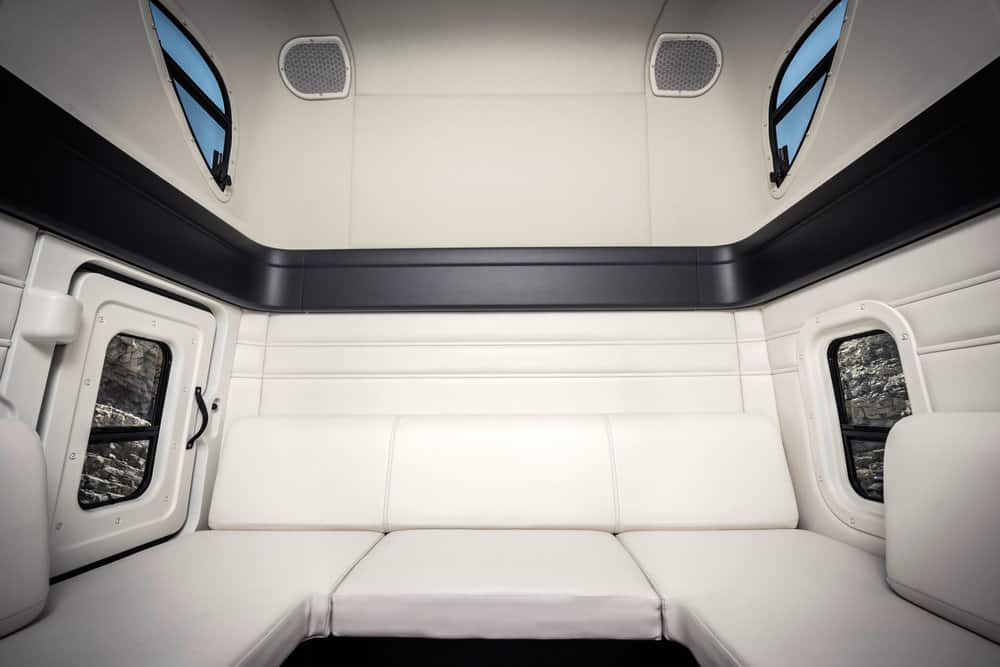
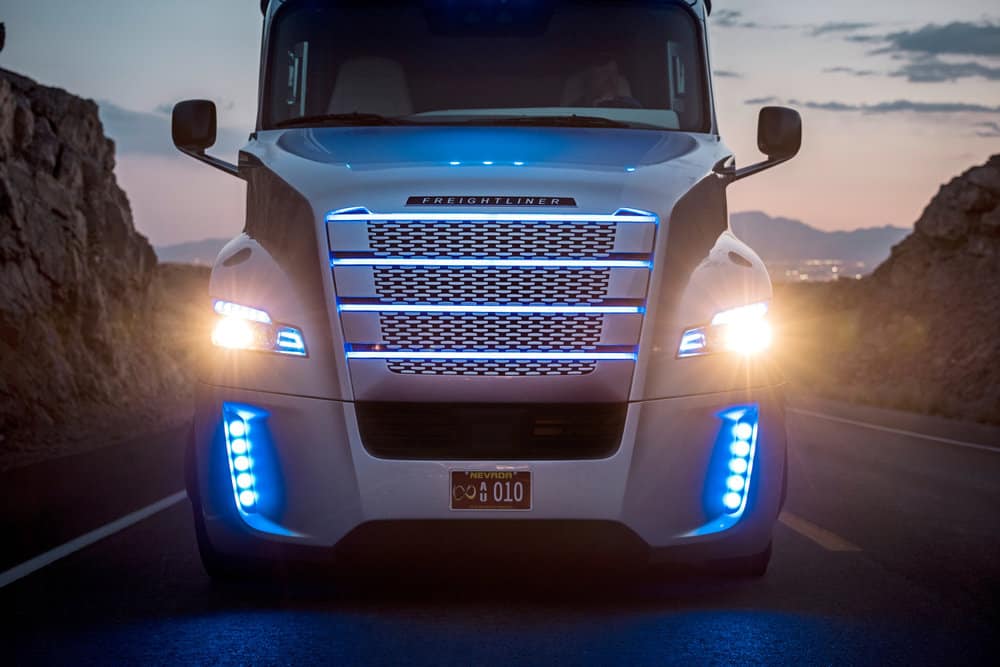
Uber-owned Otto successfully delivered a trailer load of Anheuser-Busch beer delivery from Fort Collins, CO, to Colorado Springs, CO, approximately 120 miles, recently, in the first autonomous delivery. Pittsburgh is now allowing Uber self-driving taxis. Google has its own autonomous vehicles and leading truck manufacturer Daimler Trucks is testing autonomous trucks in Nevada with its Inspiration Truck.
Share:
“ I believe that autonomous vehicles will rival the internet as one the most transformative technologies of our lifetime.”
According to Commercial Carrier Journal, nine states in addition to Washington, DC, have autonomous vehicle regulations. More than 30 states are considering regulations. This growth, though, has not swayed survey respondents, which found that 40% believe autonomous trucks will have a moderate to large impact on the industry. That means that 60% are still not big believers. Put Steve Sashihara, CEO of Princeton Consultants, in the large disruption category, though.
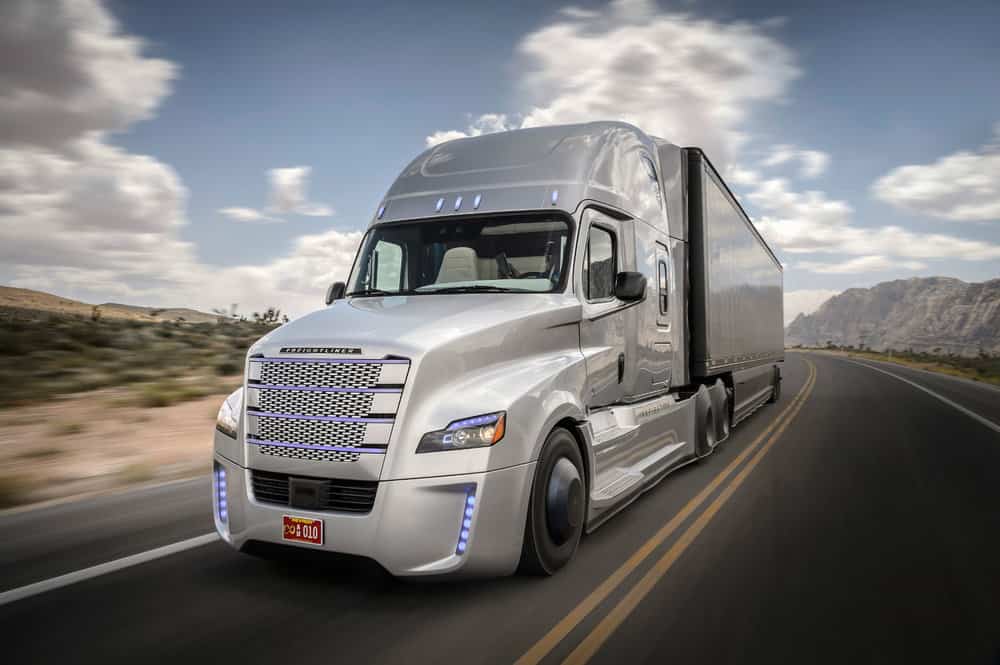
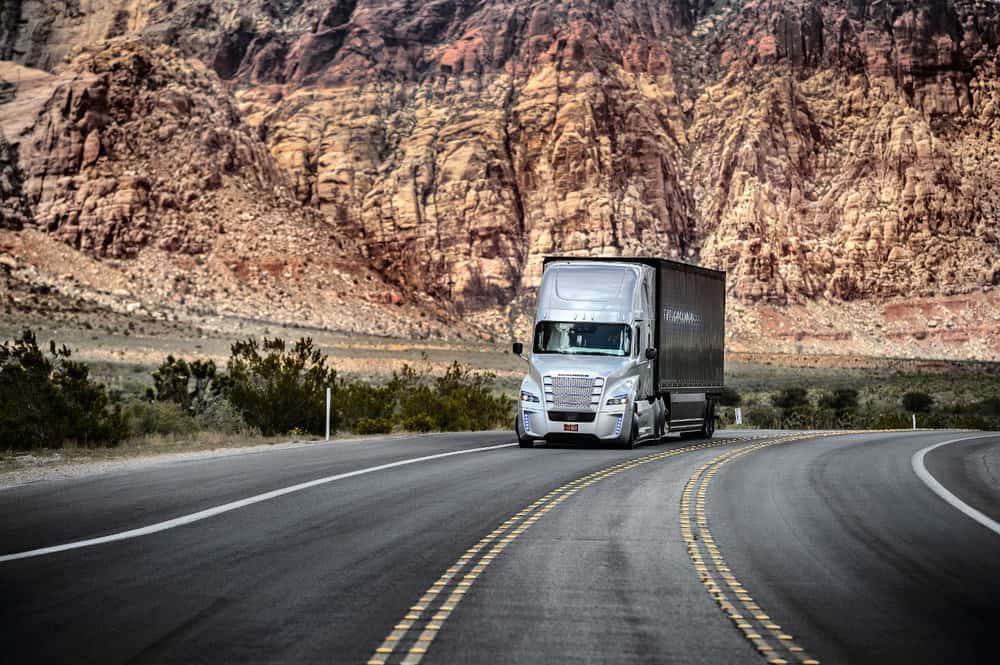
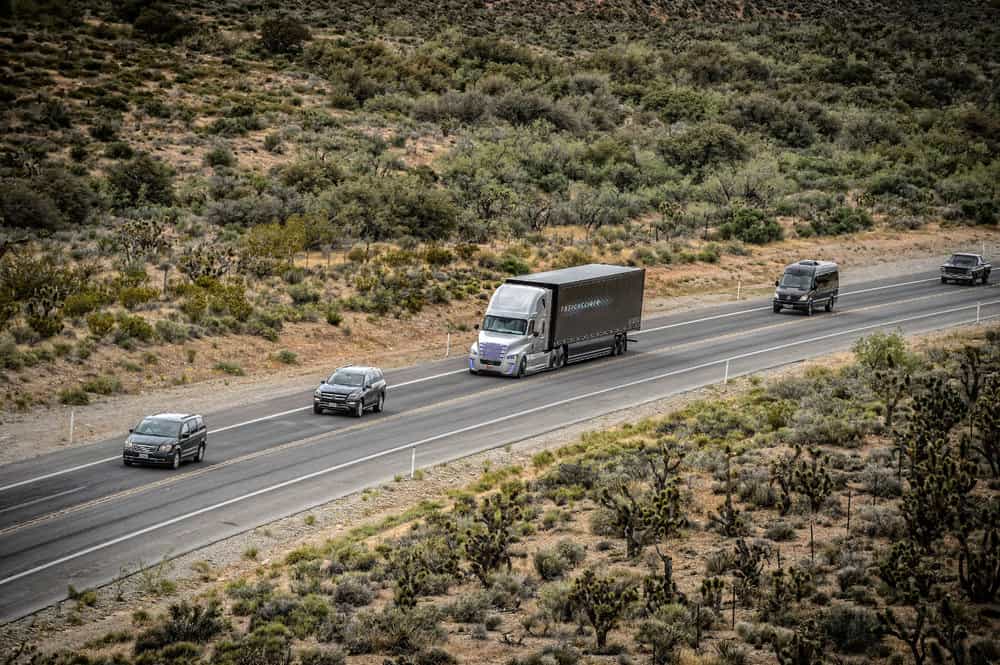

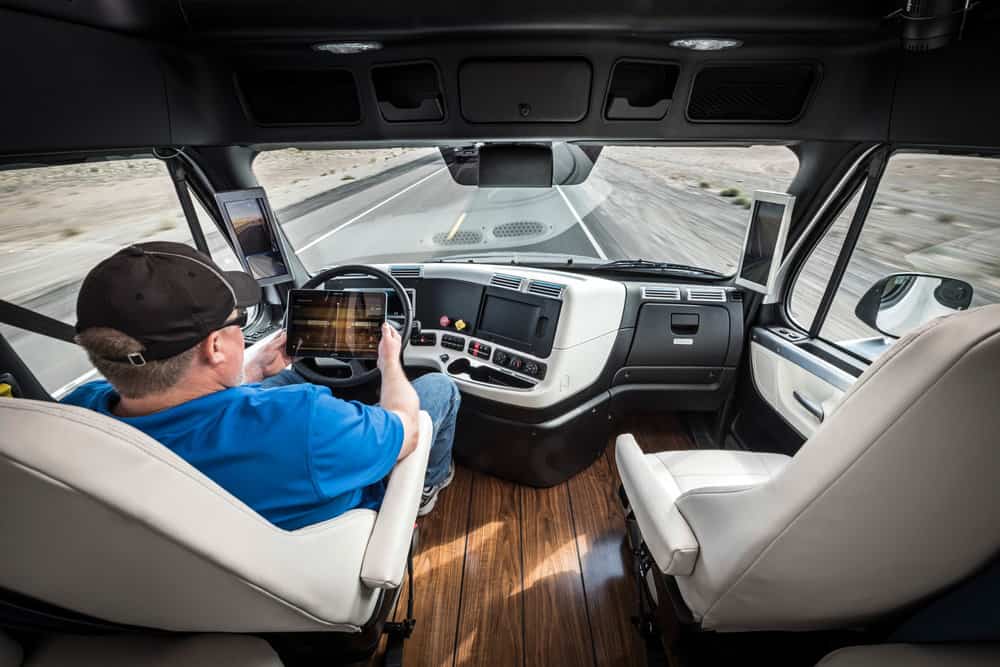
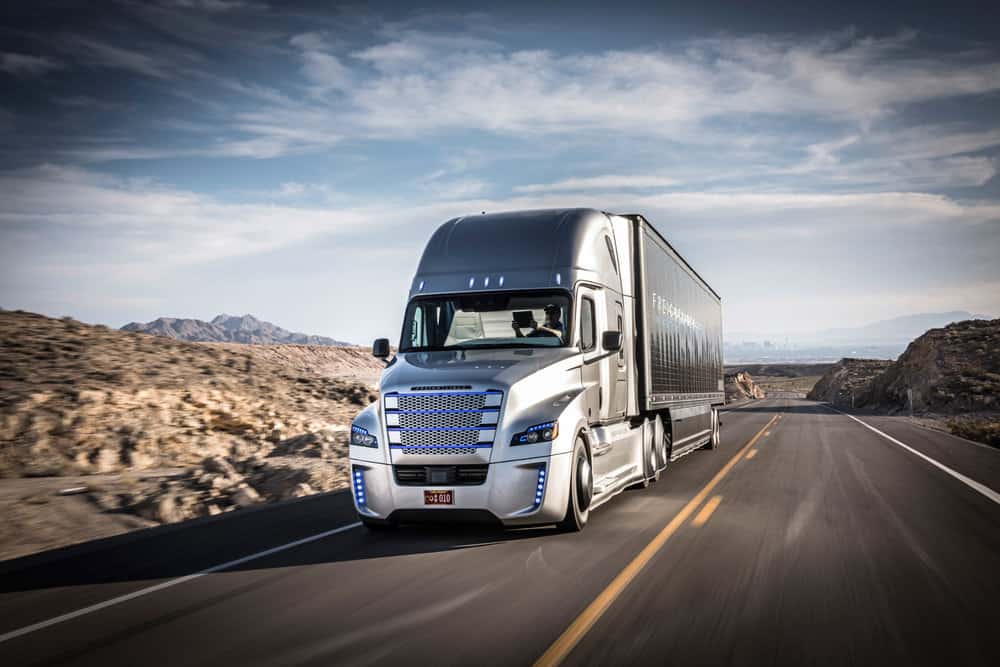
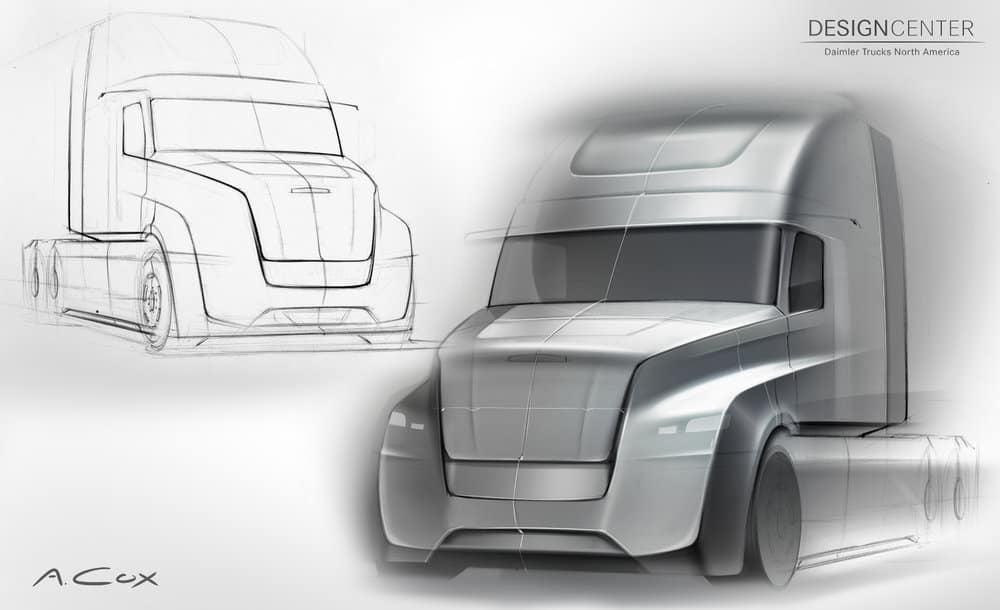
“Is this happening every other day? No, but it’s no longer crazy white cars driving around cities. It’s starting to really happen,” he says. “Our firm believes that self-driving trucks are going to get here faster and have more impact than the survey results [indicate], so we’ll see. …In commercial driving, firstly the driver is a huge part of the cost (about one-third in dry van operations). Secondly, the hours-of-service rules for the driver really limit the use of tractor utilization. While there is some slip-seating that goes on in our industry, that’s more the exception of the rule as most of us know. Precisely the times when the rest of us would like to see the tractors on the road is the worst times to drive in terms of driver distraction because of fatigue at night. Whereas the robots, I think, would be happy to drive at night and have better speeds and utilization.”
The idea that autonomous trucks is some far-fetched concept is quickly being debunked.
“The first [area] which we’re seeing already is truck autopilot; assisting a traditional driver still in the seat,” Sashihara says. “The second, and this is where we believe this is going to come faster than people think, is running peloton’s of self-driving trucks up and down highways, think of this as the new intermodal; then doing the first and last mile deliveries using different vehicles, using essentially drayage, short-haul regional trucking and drayage.”

Pelotons are commonly referred to as truck platooning. Last year, the U.S. Dept. of Energy awarded $5 million to Purdue University, University of Arizona and the National Renewable Energy Laboratory with industry partners Cummins, Peterbilt Motors, ZF TMW, and Peloton Technology to study vehicle-to-vehicle communications and truck platooning.
Peloton Technology has already completed some testing of platooning, including a real-world test.
The third phase of autonomous trucks is door-to-door delivery, Sashihara notes.
“That’s why I think when most people are trying to imagine this, that’s where they’re getting hung up,” he adds. “They’re saying, ‘look have you ever seen a truck back into a dock, have you seen how many docks are in a crowded city, can a robot really do that?’ The nice thing about [the peloton] is you don’t have to worry about that. You can have a human driver…[with] just the long-haul up and down the highways in pelotons. The peloton itself may save 15% in fuel [but] there’s a lot of driving in this business case.”
To illustrate Sasihara’s point, the Trucking Alliance, a coalition of transportation and logistics companies, recently released a statement on autonomous trucks.
“The Alliance for Driver Safety & Security, also known as the Trucking Alliance, supports the development of advanced vehicle technologies that enable commercial drivers to utilize highly automated driving systems, enhancing their safety and security,” the statement read. “The Trucking Alliance also supports the use of these technologies to achieve safety performance levels that rival commercial airlines and support other initiatives that focus on drivers and their safety.”
Among those efforts noted by the Alliance are advanced technologies that support drivers rather than commercial vehicles relying solely on automation. The group also “maintains the principle that commercial drivers are necessary to improve the safety and security of the general public” and that “commercial drivers are integral to supply chain accountability, as well as managing unforeseen weather events, emergencies, detours, vehicle conditions, computer software programs, cybersecurity disruptions, cargo security, and in providing efficient customer services.”
It’s time to Embark
A new entry showed up recently on the landscape. Embark, backed by Maven Ventures, showed off publicly for the first time is a version of a self-driving truck. Jim Scheinman, founding managing partner of Maven Ventures, explained in a LinkedIn blog post what attracted Maven to Embark.
“I believe that autonomous vehicles will rival the internet as one the most transformative technologies of our lifetime. Maven was one of the earliest believers and investors in autonomous vehicle tech, starting with our seed investment in Cruise in 2014. Cruise sold to GM last year, as reported for more than $1B. Even with a massive exit, I knew this was still a nascent industry and there would be other valuable autonomous startups built in the coming years,” he says.
Embark was founded by a pair of University of Waterloo friends, Alex Rodrigues and Brandon Moak, both 21. According to USA Today, the truck has logged 10,000 mi. of testing and recently received approval for testing on Nevada highways.
The truck uses radar, cameras and LiDAR depth sensors to monitor the environment around the vehicle. The data points – literally millions of them – are processed using a form of Artificial Intelligence known as Deep Neural Nets (DNNs) that allow the truck to learn from its own experience—much like humans learn from practice, the company says.
Brokerage Compliance Symposium
The day before F3. Every compliance issue you face - fraud exposure, carrier liability, FMCSA rules, cargo theft, insurance gaps - navigated by attorneys and operators defining best practices in a changing industry.
F3 Awards Dinner
The night before F3. FreightTech100 companies honored. FreightTech 25 and Shipper of Choice winners revealed live. Cocktail reception into dinner and live music - 300 industry leaders in one purpose-built room.
F3: Future of Freight Festival
Industry-defining keynotes, rapid-fire technology demos, and industry leaders networking in experiences across Chattanooga - plus the inaugural F3 Awards Dinner featuring the FreightTech and Shipper of Choice reveals.
The day before F3. Every compliance issue you face - fraud exposure, carrier liability, FMCSA rules, cargo theft, insurance gaps - navigated by attorneys and operators defining best practices in a changing industry.
The Signal at Chattanooga Choo Choo • Chattanooga, TN Register NowThe night before F3. FreightTech100 companies honored. FreightTech 25 and Shipper of Choice winners revealed live. Cocktail reception into dinner and live music - 300 industry leaders in one purpose-built room.
The Signal at Chattanooga Choo Choo • Chattanooga, TN Register NowIndustry-defining keynotes, rapid-fire technology demos, and industry leaders networking in experiences across Chattanooga - plus the inaugural F3 Awards Dinner featuring the FreightTech and Shipper of Choice reveals.
The Signal at Chattanooga Choo Choo • Chattanooga, TN Register Now