




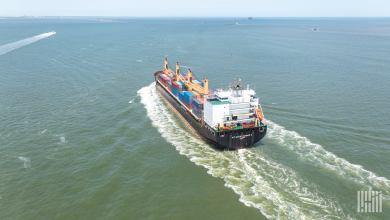
A cautionary tale of a prepaid shipment that ended up rotting
A story reported in the January 1976 issue of American Shipper tells of a prepaid shipment headed for Bordeaux, France, that ended up stuck in Jacksonville, Florida, causing the fertilizer cargo to rot.
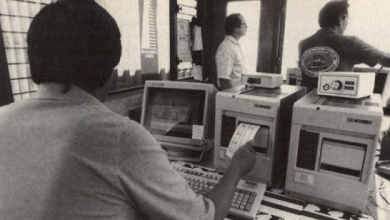
Radio-frequency technology was cutting edge at terminals in 1990s
snapshot of ports in 1991 reveals the importance of a new radio-frequency technology launch at the time, when a terminal in Honolulu first received the tech.

How barcoding changed vehicle shipping in 1992
In an article published in 1992, American Shipper details the first use of barcodes for shipping Chrysler vehicles.
‘Brain trust’ used game to teach workers how to price shipping in ’70s
Pricing in ocean shipping was done much differently in the 1970s compared to today. To simplify things, a group of executives created a game around the concept for workers to play.
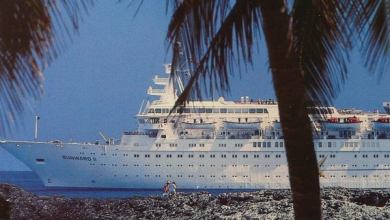
How ice and coal hauling led to burgeoning cruise business
The famous Norwegian Cruise Line of today got its start transporting ice and coal between Norway and Great Britain. This article from American Shipper in 1975 describes the company’s beginnings and its success in the cruise industry at the time.
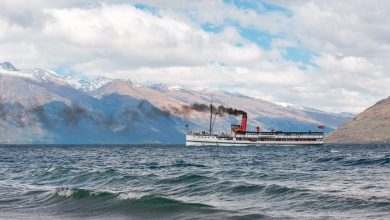
The legendary voyages of 2 steamships in their glory days
An article published in the July issue of American Shipper in 1975 tells the stories of two steamships when they ruled the seas. The stories are full of adventure, mishaps and big wins, giving a glimpse into the life of a sailor in the late 1880s.
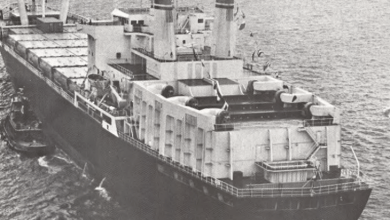
Special 1975 ‘4-ships-in-1’ design serves route between Mediterranean, US
Two ships in 1975 traveled between Mediterranean and U.S. ports on a fixed 14-day schedule. But they also caught attention because they were able to carry different types of cargo, including containers as well as liquids.
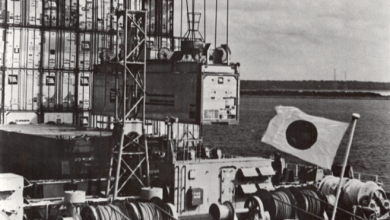
1975 Japanese embargo threatened Florida citrus, but it wasn’t political
One shipment of grapefruit to Japan threatened the future of the Florida citrus industry after Caribbean fruit fly larvae were discovered. Japan enacted an embargo on all Florida citrus to protect its own citrus groves in the southern islands. The embargo was lifted after Florida’s sector worked tirelessly to eradicate the larvae.
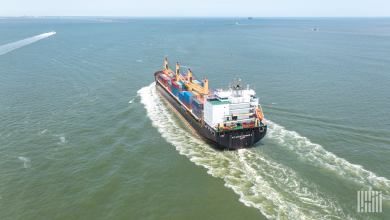
Debates on shipping rebates spurred lawsuits, sensational marketing
In 1975, the shipping industry was grappling with the growth of rebating, an illegal strategy that could upend fair competition. Ultimately, one carrier created newspaper ads saying the practice had become the norm and another faced a lawsuit.
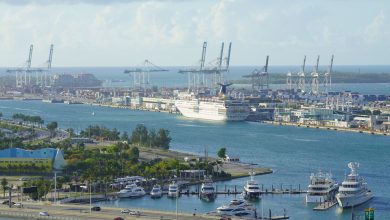
Swift response to 1975 capsize prevented an ecological disaster
In 1975, a dredge capsized in the Miami Harbor with 3,600 barrels of oil onboard. But the fast-acting employees of the port allowed it to reopen within 11 hours and prevent what could have been an ecological disaster.
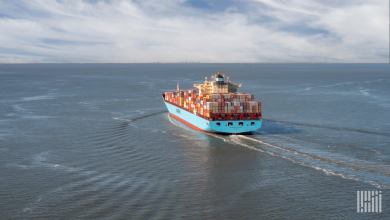
A look back at containerization in the ’70s
Growing interest in containerization drove speed and optimization in the transport industry and overtook previous methods of shipping over time. In 1975, United States Lines resumed containerized cargo service, reducing transit time between Savannah, Georgia, and Northern Europe to just eight days.
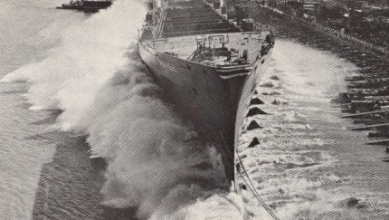
The barge carrier craze of the 1970s
LASH carriers were the predecessors to today’s container ships. In 1974, soon after they hit the scene, a record number of the ships were built.

Catherine the Great, Benjamin Franklin part of John Paul Jones’ story
The second part of this account of Revolutionary War naval hero John Paul Jones includes a dramatic battle on the seas and how Catherine the Great and Benjamin Franklin fit into the story.

The unique story of an 18th century American naval hero
Naval officer John Paul Jones’ story sounds like a scene from “Pirates of the Caribbean,” but the true story of the “Father of the American Navy” includes its share of amusing twists and turns.
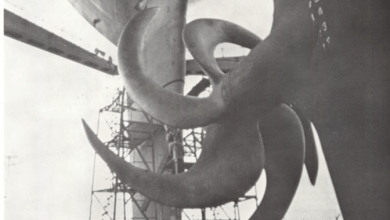
Experimental propeller in 1975 breaks midtrip, but crew notices no difference
In 1975, two identical ore/bulk/oil (O/B/O) ships underwent efficiency experiments. During one of these experiments, a new propeller concept broke midjourney, but the ship continued its duty with no changes in performance and the crew had no idea until it reached its destination.
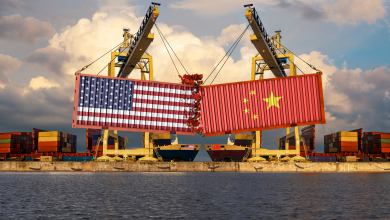
Shipping company’s collision played key role in US-Chinese relations
A collision on the seas involving an American shipping company sparked a heated letter exchange about who was responsible. This fight surprisingly led to the mending of U.S. and China maritime trade.

The history of port terminal charges
American Shipper in May 1974 took a look at charges for the handling of freight, which were largely unrecorded if they existed at all before the Civil War.
How did shippers feel about US maritime policy in 1978?
A page from American Shipper’s archives exhibits how shippers felt in 1978 through an eye-catching speech.
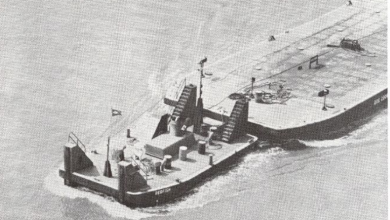
How different was launching automation in 1974 compared to today?
Today, automation can mean launching a fleet of autonomous robots that can unload shipping containers without human intervention. In 1974, a remote-controlled “bow boat” was considered a major launch.

A look back at 1977: Will dockworkers strike?
In 1977, news of the looming threat of a strike by a union of dockworkers was prevalent in the pages of American Shipper magazine. The publisher at the time ended the April issue that year with an opinion piece discussing the threat.