





FMC called complaint’s bluff in 1986
In 1986, the Federal Maritime Commission put a stop to a six-month legal case against a Singaporean shipping line after it decided there was nothing to the case.
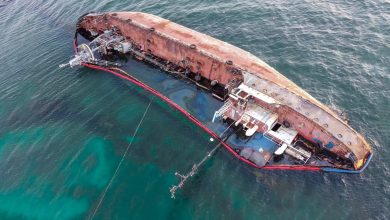
A look into marine salvage in the ’80s
This article from American Shipper’s archives gives a detailed look at “the business of disaster” in maritime in the 1980s, including marine salvage and issues surrounding liability.

Flashback to enactment of Shipping Act of 1984
The Shipping Act of 1984 changed the game for shippers and carriers.

A peek into the logistics rumor mill of the 1980s
In the age of social media, rumors are rampant in the shipping industry. But this article from the archives of American Shipper examines how rumors also plagued logistics in the 1980s, pre-social media.

Looking back to when digital processes started taking hold in shipping
Filing documents electronically is the norm for businesses today. A 1982 article from American Shipper recalls when the industry first embraced this technology.

How persistent fraud led to a pitched battle over workers’ compensation
In 1981, longshore and shipyard union members had to fight to keep the Longshoremen’s and Harbor Workers’ Compensation Act intact, after rampant abuse of an amendment.
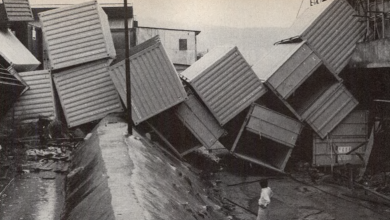
Shocking insurance claims from 1970s shipping scene
A flashback article from the archives of American Shipper highlights unique insurance claims.

How the Port of Portland saved itself from Mount St. Helens eruption
Mount St. Helens erupted in 1980 and caused serious damage to the Pacific Northwest. But one dredge in particular made quick work of clearing the debris in the channel because of its unique history with the port.

How maritime workers challenged controversial omnibus bill in Congress
In 1980, maritime workers became enraged by the maritime omnibus bill, resulting in the Boilermakers’ international president threatening to stop building ships in the United States.

How a 1979 Korean shipping decree sparked outrage from US shippers
In 1979, South Korea — officially the Republic of Korea — imposed a law reserving 100% of cargo in the country for Korean-only vessels. The decree sparked protests organized by U.S. shippers nervous that the monopoly would raise freight rates.
Carter signed polarizing anti-rebating bill into law in 1979
An article from the archives of American Shipper in 1979 details the climax of a long-awaited signature from President Jimmy Carter to help tamp down rampant rebating in the maritime shipping industry, which was vehemently condemned by the FMC.
Revisiting a pointed criticism of FMC leadership
During testimony at hearings on the Federal Maritime Commission’s regulatory functions in 1978, a former FMC chairman called out his successor on a lack of communication within the organization.

Miscalculation adds up to thousands in excess ocean freight charges
In 1978, when paper was king, a persistent error cost one company hundreds of thousands in extra charges. But who was responsible for the mistake?
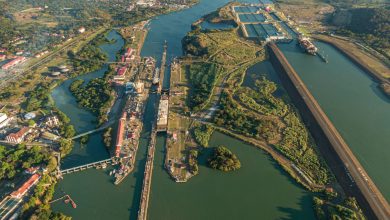
Panama canal operations were a hot topic in the ’70s too
An article from 1978 in American Shipper showed that the efficiency of the Panama Canal was an important factor in shipping — something that resonates today with the drought that has created a water level crisis in the canal.
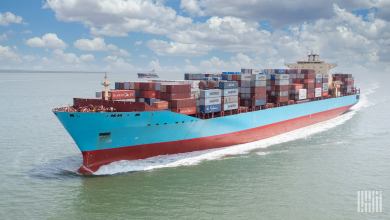
Was bribery rampant in 20th century maritime shipping?
In an article published in 1981 in American Shipper magazine, a Bethlehem Shipyard case focuses attention on a maritime problem as old as the “master’s gratuity,” according to a former company official who was charged with bribery at the time.
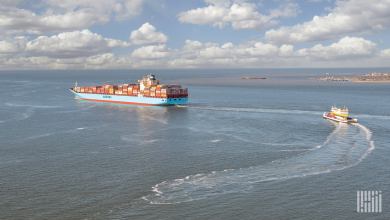
When shippers battled against a new surcharge
A dockworker strike in 1977 caused major losses to container lines at the time. Their response was to impose a 10% surcharge. But shippers did not take it lying down.
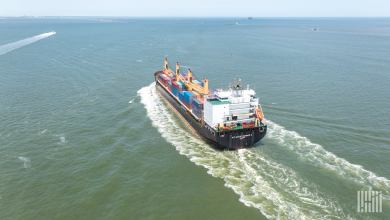
Oil spills changed how Americans viewed international maritime
Oil spills, groundings and collisions were the subject of continuous news coverage in 1976 and 1977. There were so many maritime disasters that it piqued Americans’ interest in foreign maritime dealings.
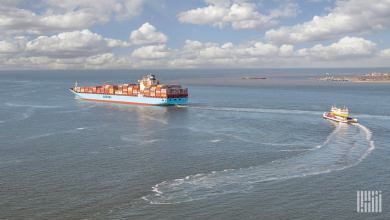
Was evil afoot in 1970s freight forwarding?
In 1976, an investigation into rate rebating and malpractice by carriers did not put a similar spotlight on freight forwarders. An article in American Shipper at the time questioned whether that was fair.
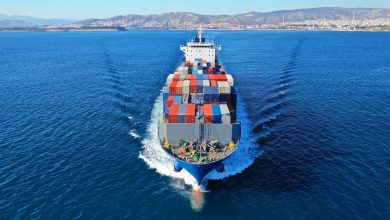
A shipment of shoes led to an ongoing dispute
A story from 1976 shows a battle between a shoe manufacturer and a shipper over what the former believed was an “unreasonable rate.” The company-versus-company drama exhibits the complexity of international trade.
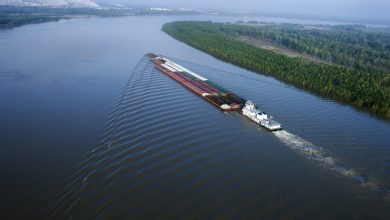
Mississippi River crisis disrupted freight markets in 1976
In March 1976, the Mississippi River was logjammed for eight straight days, causing massive shipping losses with an estimated 100 towboats and 900 barges stuck by the riverbank. The event spurred serious reform for operation on this vital route.