AI breaking down silos and improving e-commerce experiences
The COVID-19 pandemic highlighted the importance of artificial intelligence in e-commerce, with companies utilizing the technology able to adapt quicker to changing consumer demands.

Modern Shipper covers the gig economy, including same-day, on-demand, and last-mile delivery jobs and services. Readers will find current news on gig economy companies, gig economy workers, gig economy data and trends. In addition, Modern Shipper focuses on e-commerce, e-commerce platforms and companies, and e-commerce services and technologies.
The COVID-19 pandemic highlighted the importance of artificial intelligence in e-commerce, with companies utilizing the technology able to adapt quicker to changing consumer demands.
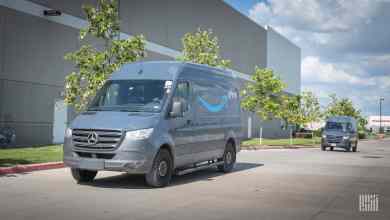
Demand for technology platforms that can automate the entire D2C experience is growing, and Pipe17 is the latest to secure funding to expand its solution.
This labor economy has historically dealt with an information deficit, which forces companies to overhire in order to find the correct employee for the job.
Several Latin America-focused freight and logistics-related startups have recently secured more funding, including Mundi, Jüsto and Valoreo.
anadian e-commerce firm Shopify continues to slowly ramp up its U.S. fulfillment network on the heels of record fourth-quarter financial results.
As more packages and groceries are being shipped to consumers’ front doors, the demand for systems that can secure and maintain the freshness of items is growing.
The rate increases could generate needed revenue and profits, but they may narrow the price-service gap between the Postal Service and its rivals.
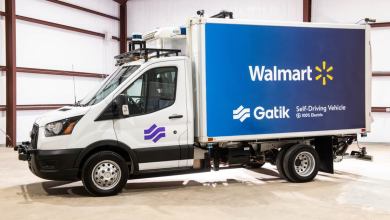
Autonomous vehicle startup Gatik has announced it will deploy electric trucks as part of its autonomous testing in New Orleans with partner Walmart.
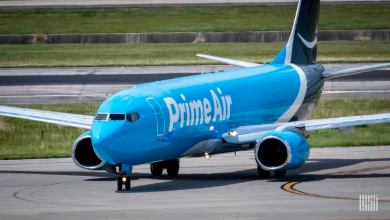
Amazon is an e-commerce rocket ship. Making those deliveries possible is Amazon Air, which is growing so fast it could make it possible for more people to receive orders within a day.
Amazon has acquired Selz, a provider of technology that allows sellers to build an online storefront.
As rideshare has plummeted because of the COVID-19 pandemic, Lyft has had to chart a new path forward in the next decade. That path features a reliance on autonomous vehicles and e-commerce deliveries.
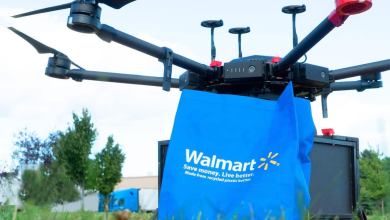
How quickly drone package delivery becomes a reality is dependent on a couple of factors, perhaps none bigger than whether the public is ready to accept it.
Isuzu will launch new Class 6 and 7 low-cab-forward trucks later in 2021 with Cummins B6.7 engines.
We’ve long touted retail inventory restocking as a primary growth driver for the freight bull run, but apparel brands aren’t aligning with this thesis. Rather than reverting back to habitual overordering and year-end discounting, retailers are sticking with the conservative ordering tactics that helped them win the holiday season.
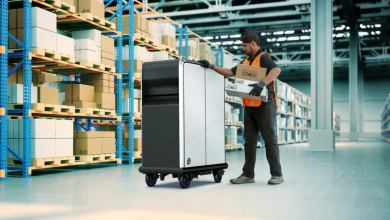
BrightDrop, a startup launched by GM, thinks that to solve last-mile delivery you need a provider that looks at the issues holistically — from vehicles to technology.
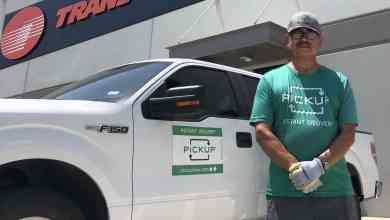
PICKUP’s white-glove delivery for big and heavy items transforms the last-mile customer experience.
Investments in its Eats and Delivery platforms have Uber on a path toward profitability as its Rides business recovers post-pandemic.
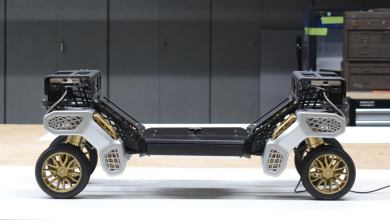
Hyundai’s concept vehicle TIGER represents the automaker’s vision of last-mile delivery in both urban and remote environments.
Commerce platform Fabric has leveraged market demand for its product to close a $43 million Series A round of funding just months after it secured its seed round.
A streamlined, automated and transparent approach has taken Airspace to the next level of modern shipping.