




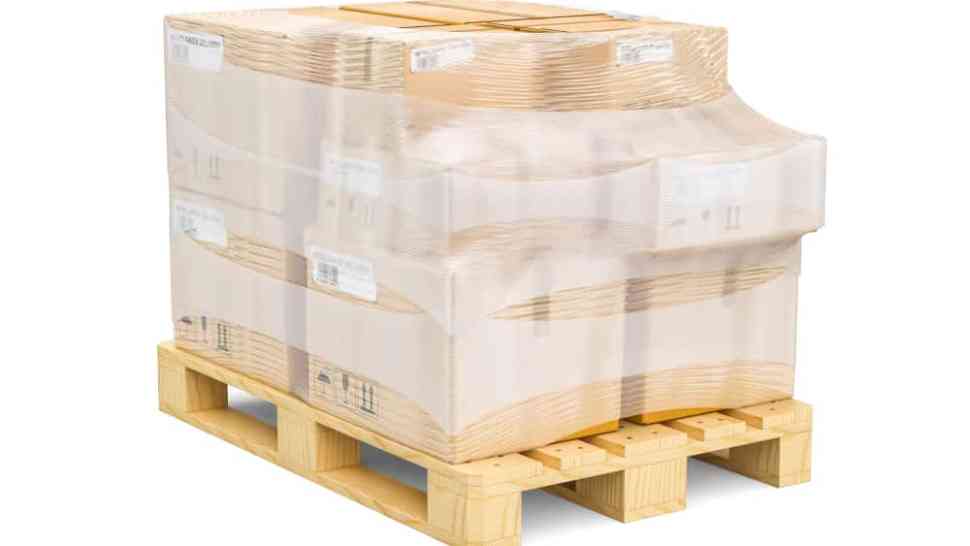
It’s all about convenience, and shipping companies know it. Consumers want stuff – and they want it now. Two years ago, Amazon shipped more than five billion items through its Prime program, which includes free same-day, one-day or two-day shipping. And the company anticipated even more items would be shipped within the short time frame of the 2019 holiday season.
As 2020 begins, it is not too early to begin planning for this year’s holidays – particularly if you are shipping overseas. While none are as big as the Christmas holiday season, there are shipping spikes around Valentine’s Day, Mother’s Day, Black Friday, Cyber Monday, etc. Because ecommerce makes any holiday season more hectic, it’s important that shipping companies are prepared for an influx of business. And, if you don’t double-check your freight shipping list, your customers may be in for some unexpected overseas shipping delays.
Here are a few reasons why your shipment may be delayed and what you can do to help move the process along more quickly.
1. Unorganized strategies
In the chaos of demanding customers and an overwhelming number of shipments, it’s easy to become unorganized and discouraged. Consequently, your shipping times may suffer. It’s important you understand and organize a strategy that works best for both you and your customers. So, if you don’t know the process by which your items are being shipped, it’s time you sat down and wrote it down.
Outline the process from the moment a customer purchases an item all the way up to attaching a shipping label to the package or placing it on a truck or airplane. While you’re outlining each stage, keep an eye out for bottlenecks or potential problems. Is there anything you can do to streamline these steps or make them more efficient?
Write down the time it will take to complete each step and look for methods to shorten these times. Creating a plan of action before your first order even arrives will ensure the shipping process is quick and hassle-free.
2. Wrong packaging codes
Sometimes, overseas shipping delays are the result of wrong packaging codes. These codes ensure a package is handled, tested and processed properly. For instance, an X may represent packaging Group I, which indicates that the contents are dangerous and should be handled carefully. Likewise, hazardous liquid materials will be marked with a code that lists the maximum amount of specific gravity allowed for liquid packaging.
Before shipping items, make sure they are labeled correctly and that they have passed different testing, such as vibration, hydrostatic, drop and pressure differential tests. Be sure to also train employees on how to read these codes and handle packages properly. This will help both guarantee quick delivery and safer handling.

3. Slow handlers
When international mail arrives at airports, ground handlers transfer the packages to International Service Centers (ISCs) in San Francisco, New York, Los Angeles, Miami and Chicago. These operations typically fall under the authority of foreign postal operators and their contracts with air carriers and handlers.
Mail should be tendered at an ISC site within two hours of the flight’s arrival. However, this process can be delayed if the ground handlers work at too slow of a pace. To combat this delay, the U.S. Postal Service should closely monitor handlers to ensure they are working quickly and efficiently. Shipping companies can also work to send shipments in increments to reduce clustered mailings and expedite the process.
4. Unprioritized shipping
A major factor in delayed overseas shipping is a lack of prioritization. Some companies ship one-day deliveries with ones that don’t require a short delivery time, slowing down the entire process. If a carrier is at overcapacity, a container may easily be rolled, pushing back delivery times. So, it’s important to prioritize shipments and send the most urgent products to delivery first.
Communicate to freight forwarders which items are of the highest importance. This will give them some notice before a shipment is rolled. You should also approach the holiday season with a clear knowledge of what your peak season has looked like in previous years.
Couple this year’s forecast with industry trends to determine which items will need to be shipped first. You might also consider splitting your shipments between container ships and airplanes. This reduces the risk of the same shipment being rolled multiple times, further delaying deliveries.

5. Unpredictable air freight schedules
Delays may also occur because air freight schedules are incredibly unpredictable. Not all freight arrives on cargo planes – much of it arrives on passenger flights. Airlines have trouble predicting passenger baggage volumes and, during peak season, there may not be enough airplanes to adequately handle shipment demands. So, it’s difficult to fully rely on air freight to arrive on time.
To help expedite the shipping process, companies may decide to send most of their packages by ship. Ocean shipments, although still susceptible to delay, are less likely to be rolled due to lack of space. To keep everything on track as much as possible, distribute shipments between air and ship and send shipments in increments to decrease the chances of delays.
Ensure you are prepared for delays and other setbacks
No matter how much you prepare and plan, some things are simply out of your control. Shipments will be delayed, and customers will be disappointed. The key is to figure out how you will handle these setbacks before they occur.
Learn from previous mistakes and use issues that arose in 2019 to improve your strategy for 2020. Because odds are, it will be just as crazy, if not more so, than the last.
Brokerage Compliance Symposium
The day before F3. Every compliance issue you face - fraud exposure, carrier liability, FMCSA rules, cargo theft, insurance gaps - navigated by attorneys and operators defining best practices in a changing industry.
F3 Awards Dinner
The night before F3. FreightTech100 companies honored. FreightTech 25 and Shipper of Choice winners revealed live. Cocktail reception into dinner and live music - 300 industry leaders in one purpose-built room.
F3: Future of Freight Festival
Industry-defining keynotes, rapid-fire technology demos, and industry leaders networking in experiences across Chattanooga - plus the inaugural F3 Awards Dinner featuring the FreightTech and Shipper of Choice reveals.
The day before F3. Every compliance issue you face - fraud exposure, carrier liability, FMCSA rules, cargo theft, insurance gaps - navigated by attorneys and operators defining best practices in a changing industry.
The Signal at Chattanooga Choo Choo • Chattanooga, TN Register NowThe night before F3. FreightTech100 companies honored. FreightTech 25 and Shipper of Choice winners revealed live. Cocktail reception into dinner and live music - 300 industry leaders in one purpose-built room.
The Signal at Chattanooga Choo Choo • Chattanooga, TN Register NowIndustry-defining keynotes, rapid-fire technology demos, and industry leaders networking in experiences across Chattanooga - plus the inaugural F3 Awards Dinner featuring the FreightTech and Shipper of Choice reveals.
The Signal at Chattanooga Choo Choo • Chattanooga, TN Register Now