

Police in Ontario, Canada, recovered 96 stolen vehicles worth approximately C$4.5 million (US$3.1 million) during an international trafficking investigation. The operation targeted a network suspected of moving luxury SUVs, pickup trucks and other automobiles overseas. Peel Regional Police announced 12 arrests and 231 criminal charges Monday, Nov. 16. Two additional suspects remain wanted in connection with the case.
The investigation, known as Project Cadetta, began in March after detectives identified a suspicious warehouse in Brampton, Ontario. Authorities discovered the facility served as a staging location for automobiles destined for international markets. Investigators traced stolen property through several locations across the Greater Toronto Area. The operation eventually uncovered a network connecting local thefts with overseas shipping arrangements.
Detectives determined that suspects targeted residential driveways, parking lots and dealerships throughout the region. Some automobiles carried altered vehicle identification numbers, commonly known as VINs. Investigators followed the movement of stolen property through holding facilities before export preparations began. Police executed search warrants during the investigation, leading to arrests and the recovery of stolen vehicles.
How stolen vehicles entered international shipping networks
The suspects allegedly concealed automobiles inside shipping containers destined primarily for West Africa. Investigators identified Montreal and Halifax as potential departure ports for the overseas shipments. Deputy Chief Nick Milinovich described a criminal supply chain connecting local vehicle thieves with international exporters. He warned that stolen vehicles from Mississauga and Brampton often reach container ships within days. Investigators targeted “every link of that criminal supply chain,” including individuals arranging exports to other countries.
The Canada Border Services Agency assisted investigators with intelligence and examinations of suspicious shipments. Trishann Pascal, the agency’s acting Greater Toronto regional director general, highlighted “targeted container examinations and referrals.” Those efforts helped authorities identify automobiles moving through the international transportation network. Police have not identified the receiving countries or individual shipping companies involved. Milinovich also reported that approximately 75% of stolen vehicles intercepted for export at Montreal’s port originate in Ontario.
Investigators identified five individuals suspected of organizing the operation. Brampton resident Stanley Udeh, 46, faces charges alongside four Toronto residents. Authorities named Odewale Abraham, Tosin Oyebade, Oluyemi Sodade and Oluwaseyi Bameke among the accused. Their cases remain before the courts, and no convictions have resulted from these accusations.
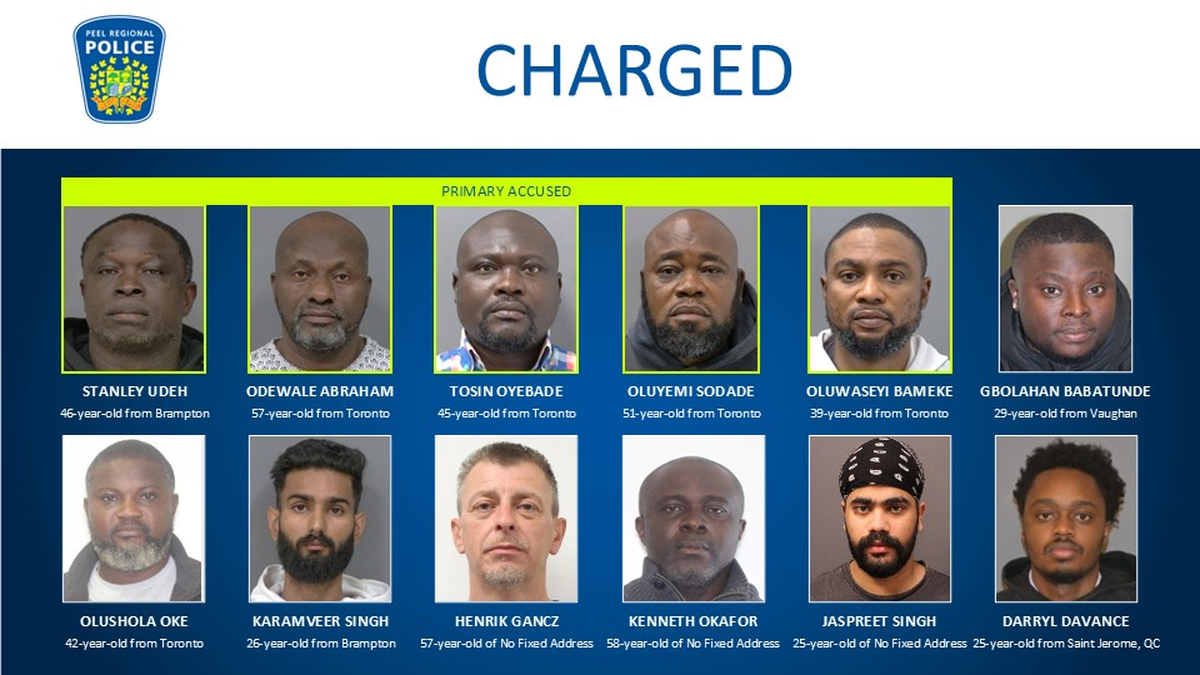
Seven additional adults face criminal charges connected to the investigation. The official charge sheet includes offenses involving possession of property obtained by crime and trafficking in stolen goods. Abraham faces 48 counts, while Udeh faces two forgery accusations. Toronto resident Olushola Oke, 42, faces 38 separate charges involving suspected criminal activity.
Two suspects remain wanted as investigation continues
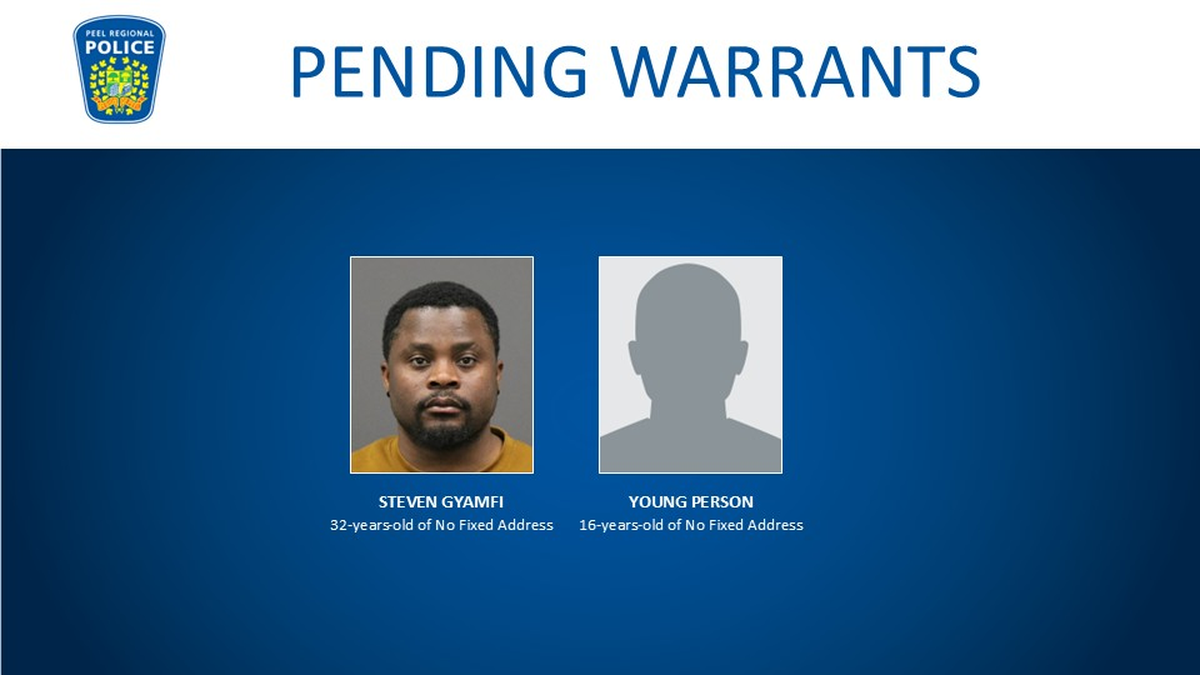
Authorities also issued warrants for Steven Gyamfi, 32, and a 16-year-old suspect. Nine accused individuals received future court dates following their arrests. Three others attended bail hearings before obtaining release. Police expect additional charges as detectives continue examining the trafficking operation.
Peel Regional Police reported vehicle thefts across Peel Region declined more than 50% from the region’s 2023 peak. Milinovich reported an additional 11.6% reduction in Peel Region as of Nov. 16. Its Commercial Auto Crime Bureau led Project Cadetta with assistance from the Canada Border Services Agency. Provincial funding through Ontario’s Preventing Auto Theft Grant Program supports local enforcement efforts.
Authorities have not identified commercial trucking companies, freight brokers or shipping lines knowingly participating in the suspected operation. Police provided no specific dates for upcoming court proceedings. Anyone with information can contact Peel Regional Police’s Commercial Auto Crime Bureau at 905-453-2121, ext. 3410.
Why it matters
The investigation demonstrates how stolen automobiles can move through warehouses and international shipping networks. Freight professionals face potential exposure when criminals introduce illicit property into legitimate transportation channels.
CFCO
Stolen cargo can move through multiple hands and reach international markets within days, making recovery increasingly difficult. Once a shipment leaves the country, investigators face additional challenges tracing its movement and identifying those responsible. The Certified Fraud Compliance Officer (CFCO) program teaches transportation professionals to verify companies, individuals and shipment details before releasing freight. In my view, recognizing suspicious activity before cargo changes hands offers a far better opportunity to prevent theft than attempting recovery after it reaches an overseas destination.
Click here for more articles on cargo theft and freight fraud by Phil Brink.
$760K fuel-card fraud scheme tied to impersonated Michigan trucking company – FreightWaves
$11.4 million in NVIDIA hardware vanishes during shipment from California to Texas – FreightWaves