




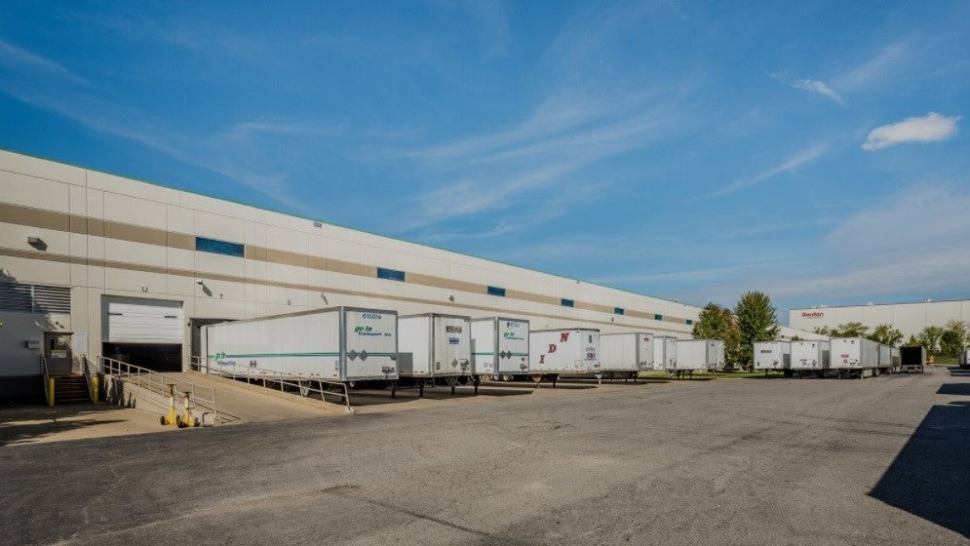
A June research report from Prologis (NYSE: PLD) points to several supply headwinds in industrial real estate markets that will make new facility completions fall short of demand over the next decade.
The research arm of the San Francisco-based logistics real estate investment trust said land shortages, additional building requirements, increased replacement costs and permitting difficulties are some of the reasons supply will remain tight and rents will continue to rise.
Few spaces available in urban areas
Industrial-zoned land in densely populated areas is in short supply.
Decades of rehabilitation efforts in large metro areas have led to repurposing of space from industrial uses to offices and apartments. Also, warehouses have grown in size and evolved from being storage centers to high-volume throughput facilities, both of which require more yard space.
The report noted that buildings constructed from 2000 on are 55% bigger and use 66% more land than those built in the 1980s and 1990s.
Population growth beyond city centers as well as regulatory constraints have resulted in more logistics space being developed outside of urban areas. This has increased the delivery distance from logistics facilities to consumers over time.

But the need to get closer to the buyer is increasing with more final-mile operators seeking space in heavily populated areas to reduce delivery times. This has placed upward pressure on the value of urban logistics space.
Without incremental space coming online in these markets, there is essentially little competition, which will keep rents inflated. If space is available in the right location, users are willing to overlook functionality limitations, the report found.
“Together, these trends have reduced users’ price sensitivity for buildings that are well-located or which incorporate the latest building design features, leading rents higher.”
Retail property conversions not likely to help
Prologis doesn’t expect the conversion of shuttered retail properties into logistics facilities to cure supply woes.
The report said retail properties are usually converted to more economically feasible uses like apartments, which have a higher and better use. Also, zoning issues and community opposition present hurdles along with the fact that most retail spaces are difficult to reconfigure to accommodate high throughput and the accompanying truck traffic.
Prologis Research expects only 50 million to 100 million square feet of space will be converted from retail to logistics over the next decade. That’s less than 3% of logistics space added in a normal year.
Replacement costs rise due to several factors
Increases in land prices and materials and labor costs have kept facility replacement costs ahead of inflation in the past decade. Spikes in land values have been most prevalent in coastal markets and densely populated areas.
Cost inflation in materials and labor has been more pronounced since the onset of the pandemic and is currently supply-related. The production of many construction-related materials and products was knocked offline during the pandemic and producers are still playing catch-up. Further, stimulus payments and enhanced unemployment benefits have resulted in labor difficulties across many industries, including construction and warehousing.
Prologis Research estimated replacement costs have grown nearly 60% over the past five years, up 15% so far in 2021.

The report pointed to other reasons the logistics labor market has tightened.
The rise of e-fulfillment operations, which require three times the headcount of traditional warehousing and have four times the turnover rate, remains a headwind. Also, the need for skilled labor has increased alongside the rise in warehouse automation and technology as many facilities now require more engineer-level positions.
More facilities are coming online outside of large, densely populated metro areas and have smaller, sometimes less-skilled, labor pools. Also, clustering logistics facilities further draws down the supply of labor.
The report said more worker-friendly facilities are key.
“A healthy and sustainable work environment can give employers an advantage in attracting and retaining talent. Accelerated by the pandemic, facility improvements that focus on worker well-being, such as the WELL standard, are becoming popular. This certification brings together stringent requirements in areas such as indoor air quality, water quality, natural light and thermal comfort, as well as nutrition, physical activity facilities and mental health.”
Also, upping the tech capabilities of new facilities can help mitigate supply challenges.
“Most modern facilities meet the requirements for flexible automation, but certain features can be added to make them even more automation-friendly. Increased power capacity, extra space for recharging mobile technologies, access to high-speed data, flooring quality, strong roofing and increased clear height can collectively accommodate technologies used to augment labor needs, increase operational visibility and manage risk.”
However, the report concluded that structural changes in property development will “likely continue to limit the amount of new supply delivered to meet users’ future supply chain needs.”
“The rapid evolution of consumer habits, labor needs and technology are better than ever and have increased the benefits of securing properties best-suited to house the supply chains of the future, while scarcity has increased occupancy and rents across a broad range of logistics properties.”
Prologis Ventures is an investor in FreightWaves.
F3: Future of Freight Festival
Industry-defining keynotes, rapid-fire technology demos, and industry leaders networking in experiences across Chattanooga - plus the inaugural F3 Awards Dinner featuring the FreightTech and Shipper of Choice reveals.
Industry-defining keynotes, rapid-fire technology demos, and industry leaders networking in experiences across Chattanooga - plus the inaugural F3 Awards Dinner featuring the FreightTech and Shipper of Choice reveals.
The Signal at Chattanooga Choo Choo • Chattanooga, TN Register Now