




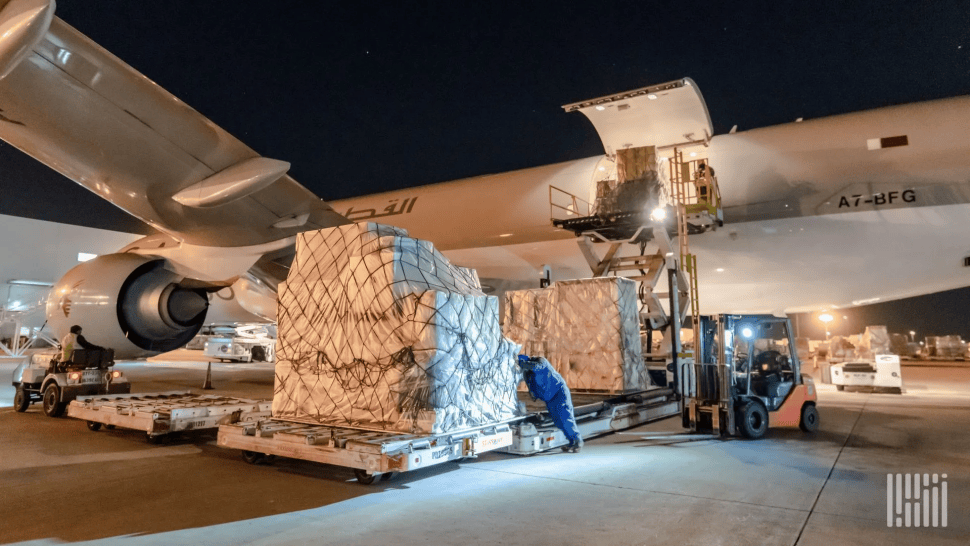

It is 9:40 p.m. in a regional hub. A late inbound flight has squeezed the connection window for LD-3 containers bound for three cities. Nobody has noticed yet. By morning, the retailer will, and so will its customers.
In air cargo, this is how most service problems begin: quietly, hours before anyone picks up a phone. And it is why a growing number of carriers are rethinking what customer service means. The best support call, they argue, is the one that never has to happen. Artificial intelligence is what is finally making that possible.
The problem with waiting for the phone to ring
For decades, cargo customer service has been reactive by design. A shipper notices a package hasn’t moved, calls or emails the airline, and an agent starts digging through booking records, flight status and warehouse scans. By the time an answer comes back, the delay is history and the only thing left to manage is disappointment.
That model was tolerable when air cargo meant heavy freight moving on forgiving timelines. It does not hold up in domestic e-commerce, where shoppers expect next-day delivery and retailers measure carriers by the hour. A missed connection that once cost a day now costs a customer.
The cost lands inside the airline too. Every “where is my shipment?” inquiry ties up an agent who could be solving a real problem. Service teams spend their days explaining what already went wrong instead of preventing what is about to.
From tracking to predicting
Tracking tells you where a shipment is. Prediction tells you where it is going to be, and whether that is a problem.
The raw material has existed for years: booking data, flight schedules, load factors, acceptance and handling scans, weather feeds, historical transit times. What has changed is the ability to read all of it at once, continuously, and spot the patterns that come before a failure. A tight connection on a route that runs late every Friday. A station that slows down when volume spikes. A flight trending toward a weight restriction that will bump cargo.
AI models are well suited to this kind of work. They do not get tired at the end of a shift, and they do not wait for a customer to complain before looking. They flag the shipment at risk while there is still time to act on it.
That shift only works on modern infrastructure. Cloud-native platforms such as SmartKargo track every shipment from booking to delivery, giving AI a complete, real-time picture rather than fragments stitched together from legacy systems. Visibility is the foundation. Prediction is what you build on top of it, and it is the job SmartKargo’s AINOC was built to do.
What proactive service looks like
Go back to that hub at 9:40 p.m. In a predictive operation, the system flags the 300 parcels the moment the inbound flight slips. It checks the next departures with available belly space and proposes a rebooking. The ops team approves it in minutes.
Then the service side kicks in. The retailer gets a message before it has a reason to ask: two shipments rerouted, new arrival times attached, delivery promises intact. No inquiry is logged. No agent spends an hour reconstructing a timeline. For the end customer, nothing happened at all.
AI is changing how that message gets written, too. When a shipment is flagged, the system drafts the outreach for the agent: a recommended email to the retailer’s operations team listing the affected shipments, the cause, the new arrival times and the recovery plan, and a short text for the consignee waiting at the other end. Each draft fits its audience. The shipper gets detail it can act on. The person expecting the package gets two sentences and a new delivery window.
The agent reviews, adjusts and sends in seconds instead of composing from scratch in the middle of a disruption. Routine updates, such as a confirmed reroute, can go out automatically. Sensitive ones, such as a missed delivery promise for a major account, stay with a person. Either way, the customer hears from the airline first, in plain language, before frustration has a chance to build.
That is the quiet payoff of prediction. Some problems are fixed outright. Others cannot be avoided, but the customer hears about them first, with a plan already in place. Shippers rarely forgive surprises. They often forgive delays they were warned about, especially when the carrier has already acted.
People still make the call
None of this removes people from the picture. It changes what they do. When AI handles the routine monitoring and the first alert, service agents and ops controllers can focus on the judgment calls: which shipment gets the last space on the evening flight, how to handle a high-value customer, when to escalate.
The technology has limits, and carriers that adopt it well are honest about them. A prediction is a probability, not a promise. Models are only as good as the data feeding them, which is why clean, end-to-end shipment data matters more than any single algorithm. And the alert is worthless if no one is empowered to act on it.
The new measure of service
For years, cargo service was judged by how fast an agent answered and how well they explained a delay. That yardstick is changing. The carriers pulling ahead in e-commerce are measured by how few problems their customers ever see.
It is a higher bar, and a more honest one. Shippers do not want great apologies. They want packages that arrive when promised, and a partner who calls them before they have to call in. With AI watching every shipment, every hour, that standard is no longer aspirational. It is becoming the cost of doing business in the skies.
About SmartKargo
SmartKargo is the cloud-based logistics platform connecting airlines to the e-commerce economy. By automating shipments end-to-end and turning passenger flights into cargo revenue, SmartKargo helps airlines launch new products in weeks and gives shippers faster, more reliable delivery than ground networks can offer.

