




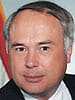
| Reinsch |
The associations warned that imposing additional unilateral sanctions on Iran at a time when the Obama administration is mapping out its diplomatic strategy would be counterproductive and ineffective in influencing the Iranian government to change its ways.
“While the legislation would attempt to restrict Iran’s access to petroleum products as a way of putting pressure on the current regime to cease its nuclear development, it will most probably have the opposite effect,” said Richard Sawaya, director of USA*Engage. “As history of existing sanctions on Iran demonstrates, IRPSA would strengthen those in Iran’s government who oppose negotiations with the U.S. and, if at all successful, turn popular sentiment in Iran against engagement.”
NFTC President and USA*Engage Co-Chairman Bill Reinsch said passage of the sanctions would “send the message to both Iran and our allies that the United States is not committed to diplomacy.”
The legislation (H.R.2194/S.908) would require that any foreign entity selling refined petroleum to Iran or otherwise enhancing Iran’s ability to import refined petroleum, including financing, brokering, underwriting or providing ships for this activity, be barred from doing business in the United States. IRPSA would also apply to any entity that provides goods or services to enhance Iran’s ability to maintain or expand its domestic production of refined petroleum.
