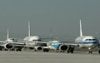
Asia hit by air cargo capacity shortage
Hong Kong and other airports in Asia are beset with overflowing demand for air cargo services, with reports that as many as 10,000 tons of air freight are in storage awaiting flights.
The problem has apparently been building for weeks, as last-minute holiday demand has peaked for Asian-made goods headed to North America and Europe. That demand has coincided with a period of reduced capacity, as carriers sought to drive up load factors and yield by pulling back on certain flights and parking freighters to cut down on costs.
The situation has driven up spot freight rates to $6 per kilogram out of Chinese markets, with delays stretching up to five days for booked cargo.
Shippers are advised to plan well ahead when requiring air freight capacity out of Asia — Bangkok, Singapore and Shanghai are also fighting backlogs, with some airlines refusing to take bookings for transshipped cargo.
'Demand out of Hong Kong and Shanghai is strong and we expect that this will continue through mid-December,' a spokeswoman for Cathay Pacific told AmericanShipper.com. 'The capacity reduction is a factor and there has also been a rush for shippers to get consumer goods to the markets in advance of the seasonal shopping peaks.'
The airline, which like others cut capacity earlier in 2009 as it struggled with low demand, said it is trying to accommodate the extra cargo through temporary measures.
'We have been actively deploying our resources to mount extra sectors or charter flights to meet the increasing demand — for example, mounting an average of six to seven extra sectors or charter flights every week to North America or Europe,' the spokeswoman said.
Korean Air, China Airlines and EVA Air are other airlines reported to be offering unusually high numbers of chartered flights. An official with Hellman Worldwide Logistics in China told the Hong Kong Shipping Gazette that carriers had pulled 40 percent of capacity out of Asia this year.
However, shippers shouldn't expect airlines to rush back into sectors that had been suspended. Carriers were rocked this year by low volumes and yields and will tread carefully going forward.
'Airlines remain cautious about rushing freighter capacity back into the market because of doubts about the longevity of the demand rebound,' an International Freighting Weekly report said in late November.
The capacity crunch is hitting shippers of high-tech and high-end apparel goods hardest, with rates rising and no guarantee of cargo flying on an expedited basis. Conflicting reports have delays lasting anywhere from two to 14 days, with some suggesting shippers with long-term agreements are getting capacity priority while others suggest that the highest-paying cargo is flying first.
Most expect the backlog to persist through December. ' Eric Johnson
Asia hit by air cargo capacity shortage