




Jack Glenn
Thursday, February 27, 2020
Don’t let loss control visits catch you off-guard
Reliance Partners’ Brenda Wiser helps carriers prepare to interact with insurance inspectors

Insurance & Risk Management, sponsored by Reliance Partners, is a weekly look at how trucking operations of all sizes, including owner-operators, can minimize their exposure to risk and insurance claims. More information on Reliance Partners’ offerings can be found here.
Reliance Partners’ Brenda Wiser helps carriers prepare to interact with insurance inspectors
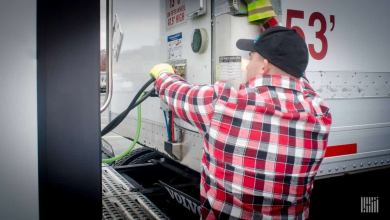
Providing workers’ comp is a no-brainer, so why not take advantage of the benefits it offers?
Drivers looking to improve safety and avoid legal pitfalls must thoroughly understand Federal Motor Carrier Safety Administration rules.

Trucking companies should understand the rules surrounding workers’ comp coverage.
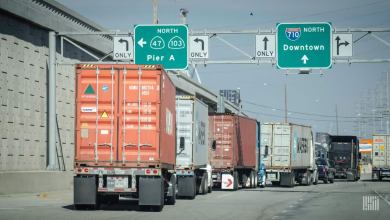
California owner-operators argue their livelihoods are at stake under new labor law.

To have an edge in the logistics market, it is critical for companies to spot the right talent and retain them in their ranks over a considerable period of time.

Incentivizing logistics yard spaces and zoned industrial capacities to rent out their vacant spots for truckers could help increase supply.
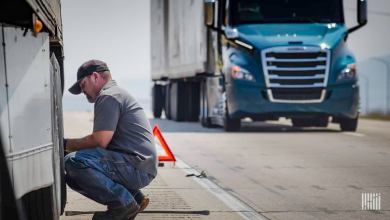
Digitalization of roadside assistance services can help fleets in not just getting immediate and seamless assistance but at flat-rate premiums.
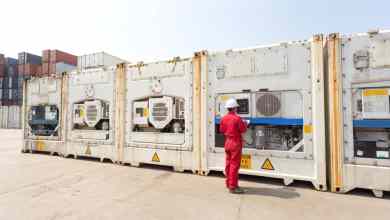
Pest infestation within cold storage containers can cause major losses as companies are forced to discard entire shipments.
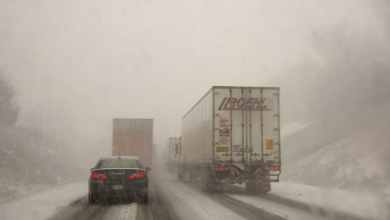
The winter season witnesses a lot of truck crashes and injuries, making it essential for drivers and carriers to find ways to reduce risk while hauling during inclement weather.

The transport and logistics sector witnesses thousands of cyberattacks every year, and it is essential for stakeholders to be wary of opportunistic threats and impersonation attacks to keep their operations secure.
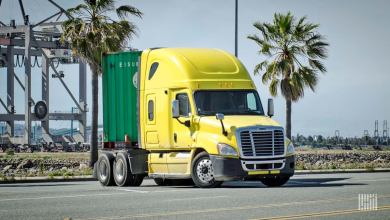
Assembly Bill 5 limits companies from classifying workers as independent contractors rather than employees to save operational expenses.
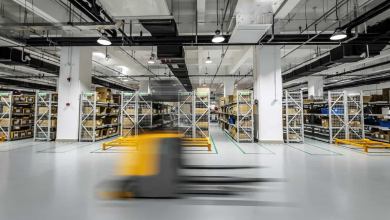
Warehouses are under pressure to increase product picking efficiency in a time of expedited e-commerce. Automation and robotics can help.
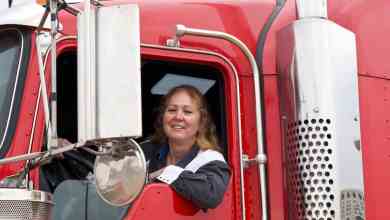
Ellen Voie, the CEO of Women in Trucking, spoke on the issues that female truckers in particular face when they are looking for parking spots.
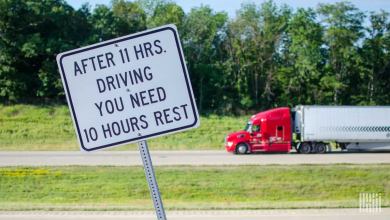
Every day, more than 40% of all truck drivers on the road use an hour or more of productive driving time to search for a secure parking spot before their hours of service run out.
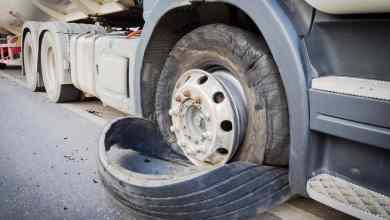
Digitalizing roadside assistance will help customers get quicker service, while service providers and garages/repair shops can track progress in real-time to ensure high customer satisfaction.
The hard deadline for the ELD mandate hits on December 16, and a significant portion of the fleets that run AOBRDs are looking to put off ELD adoption until the last minute.

The rise of e-commerce and the evolution of customer expectations on delivery schedules have propelled the last-mile segment to be more reactive to demand and highly digitalized.

Fleets have been investing in safety technologies, but the public does not seem to be recognizing this fact, with the majority of Americans believing they are safer drivers than most truck drivers.

The Hispanic community has contributed immensely to the new American dream and is currently one of the fastest growing ethnic minorities within the trucking sector.