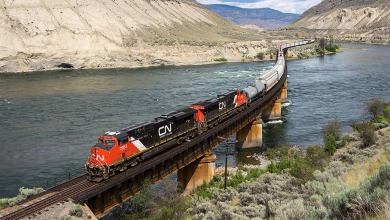
Canadian National meets US federal requirements on all required trains 13 months ahead of deadline
The implementation of Positive Train Control is the largest technology program deployed in CN history and they are already ahead of the game

Prioritizing high-risk motor carriers for interventions an added challenge.
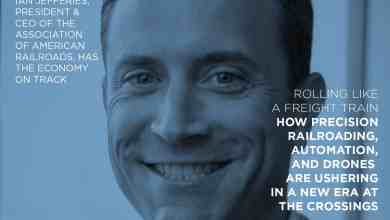
This week we step inside the world of an industry that’s been rolling for nearly 200 years. Ian Jefferies of the Association of American Railroads talks about rails role in the economy, an industry in transition, Precision Railroading, Positive Train Control, drones, data, and automation.
The Class I railroads are steadily implementing positive train control, but the railroads overall still have a ways to go before the December 2020 deadline.
The Federal Railroad Administration is asking freight and passenger railroads to apply for grants aimed at upgrading infrastructure or enhancing safety.
“I think we’re at a critical juncture. Six months from now I think we’ll be able to take a closer pulse to where things are.”
Only 17 percent of the relationships between the U.S. passenger and freight railroads required to utilize positive train control technology have interoperability, meaning that the host railroad can communicate with a non-host train through the technology, according to data released by the Federal Railroad Administration.
Positive Train Control isn’t just about safety anymore as the railroads revisit how the technology can generate capacity and save money.
The railroads have delayed installing life-saving automatic braking technology for another two years, and the NTSB is running out of patience.
Amtrak train 91, which was traveling from Penn Station in New York to Miami, should have been on the main line, but it was directed to tracks just east of it, where a CSX train was parked.