




Joanna Marsh
Friday, December 30, 2022
Labor strife, service problems railroads’ biggest issues in 2022
Rail service, an active Surface Transportation Board and continued M&A activity were among 2022’s news highlights.
Rail service, an active Surface Transportation Board and continued M&A activity were among 2022’s news highlights.

The U.S. Government Accountability Office’s report on precision scheduled railroading serves as a broad overview of how the freight rail industry has changed over the past decade.
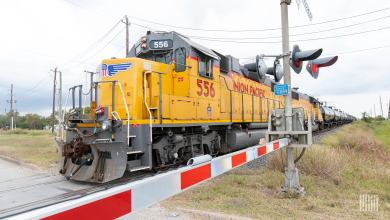
Following last week’s hearing on embargoes before the Surface Transportation Board, Union Pacific has decided to pause the program. Meanwhile, the board is considering what it can do to encourage rail volume growth.
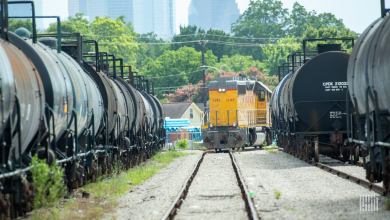
Shippers testified before the Surface Transportation Board on Tuesday about how embargoes affect their operations.
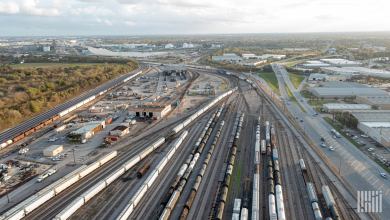
The unions and the freight railroads must repair their relationship and collaborate on improving service if the industry wants to thrive and take more market share, observers told FreightWaves.
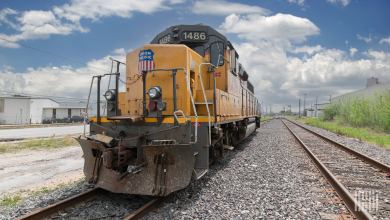
STB Chairman Marty Oberman told UP it didn’t provide enough information on its embargo practices ahead of a two-day hearing next week.
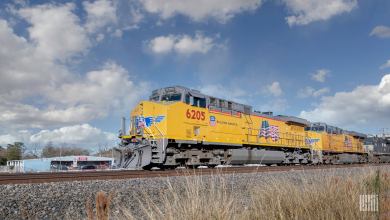
The Surface Transportation Board wants to know why Union Pacific has been issuing hundreds of embargoes since 2018.
Federal board wants four Class I railroads to continue submitting rail service data that shows how service is improving.
U.S. Sen. Tammy Baldwin of Wisconsin has introduced the Reliable Rail Service Act in response to calls from shippers’ groups and the unions to help restore the nation’s rail network capacity.
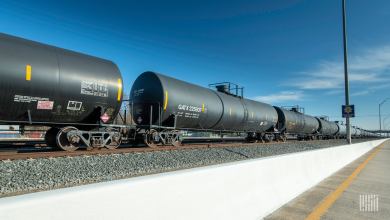
Just because a labor agreement is in sight between the railroads and the unions, that doesn’t mean rail service will instantly improve, shippers told FreightWaves.
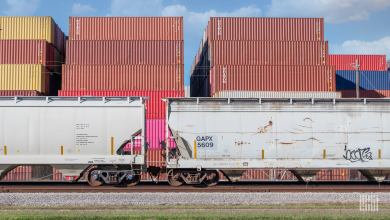
The CEOs of Union Pacific, CSX and Norfolk Southern anticipate rail volumes to grow amid service improvements and despite macroeconomic uncertainties, according to their comments at an investor conference this week.

The Association of American Railroads estimates that a nationwide strike could cost about $2 billion each day, while shippers groups rally Congress to intervene in the event a strike seems imminent.
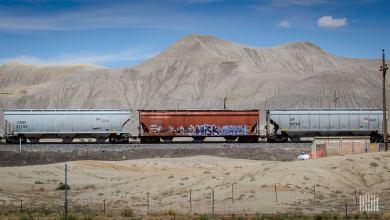
Peak harvest season begins in the U.S. soon, and grain shippers are hoping rail service will be able to meet market demand.
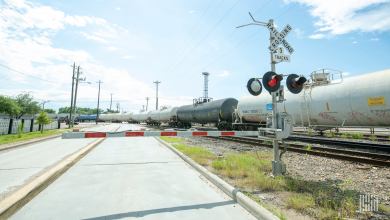
The American Chemistry Council says freight rail service still leaves much to be desired, despite the railroads’ efforts to improve.
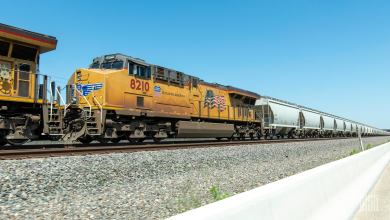
The Surface Transportation Board wants to know how the seven Class I railroads expect to meet demand for rail service during the harvest season running from September into the new year.
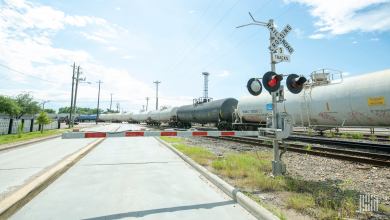
Precision scheduled railroading again took center stage during a roundtable concerning rail service.

Transport Canada is considering making the data collection of rail service metrics permanent — a move the Forest Products Association of Canada supports.
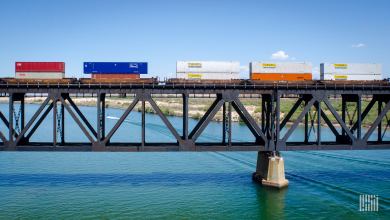
Data from June reflects how rail service challenges persist into summer. Meanwhile, higher headcount levels and macroeconomic uncertainties await the rails for the remainder of this year.
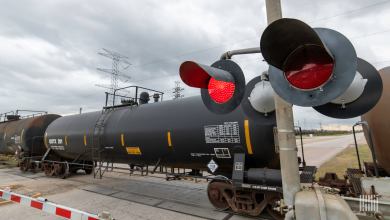
Congressmen back calls from fertilizer and agricultural products shippers to improve freight rail service, plus news about a new federal grant program to eliminate railroad crossings and updates on CN and Canadian Pacific.
The Transportation Trades Department wants Congress to modify the language to ensure freight railroads provide adequate service.