Rail strike would disrupt cross-border supplies of cars, auto parts, beer
Billions in trade between the U.S. and Mexico could be affected by a railway strike that could begin Friday.
With a Friday deadline looming for some rail unions and management to make a deal, a shutdown is looking more and more possible.
Ahead of a strike that could occur after midnight Friday, U.S. freight railroads are winding down operations and the White House is preparing contingency plans.
The International Association of Machinists and Aerospace Workers, whose ranks total nearly 5,000 members, has voted to reject the tentative labor agreement between it and the Class I railroads. But two unions voted to ratify their agreements.
Beyond impacts to the supply chain, one national security expert contends a rail strike could pose a threat to national security.
Settlement legislation introduced in the Senate may not be enough to avoid a rail strike or lockout on Friday.
Nine out of 12 labor unions have reached tentative agreements with the railroads, up from five last week.
Congress must prevent a rail shutdown. Otherwise, factories will close, food and fuel supplies will dwindle and inflation will soar.
Three more railroad unions have reached tentative agreements with Class I railroads on new labor contracts.
Uncertainties over whether union members will go on strike next Friday are causing the U.S. Class I railroads to embargo certain shipments and tell customers to expect delays.
The Association of American Railroads estimates that a nationwide strike could cost about $2 billion each day, while shippers groups rally Congress to intervene in the event a strike seems imminent.
Two more unions, whose membership totals about 6,000 freight rail employees, have tentatively agreed to a new labor contract that calls for substantial wage increases.
Two of the larger unions, BLET and SMART-TD, were unable to reach a tentative labor agreement last week. But both “remain committed” to reaching one.
Three railroad unions plan to send their members a tentative labor agreement for ratification. However, there are still nine unions that have yet to strike a deal.
The presidential emergency board is charged with examining the sticking points in the stalled contract negotiations between U.S. freight railroads and their unions.
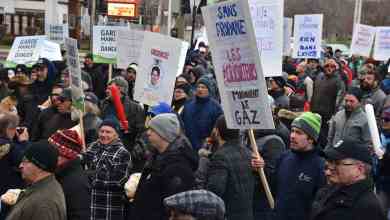
The protests stem from the potential impact the AB5 law will have on the over 70,000 owner-operators who operate in California.
Members of the Brotherhood of Locomotive Engineers and Trainmen voted to strike if they deem it necessary as the unions and railroads fail to reach a contract agreement.
The U.S. Chamber of Commerce wants President Biden to intervene in the ongoing rail labor dispute to avoid service disruptions.
Normal rail service to resume on Nov. 27, ending a week-long strike that has shaken Canada’s supply chain.
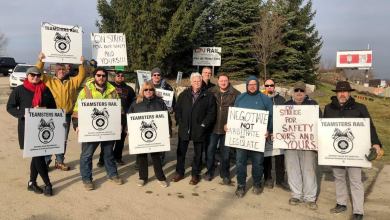
Federal Minister of Agriculture suggests government would consider back-to-work legislation or binding arbitration for striking Teamsters members as disruption brings 37% in drop in Canadian National revenue ton-miles and worsening supply-chain conditions across the country.