






Freight markets brace for impact of proposed tariffs
For months now, it has been clear that shippers have frontloaded record imports to the country, largely to avoid expected tariffs.

SONAR White Paper: What freight data tells us about an ILA port strike
From ocean container flows to intermodal rail movements and truckload tenders, our white paper lays out the impact of the port strike.

FreightWaves announces 2025 FreightTech 100 companies
FreightWaves has unveiled its 2025 FreightTech 100 list, spotlighting tech-forward companies that have best navigated a turbulent year.

ILA readiness to strike highest since 2012
Solidarity between the ILA and ILWU was on display the last time the ILA narrowly avoided a strike (and the ILWU did not).

Half a century later, ILA returns to strike mode
The ILA maintains that it will not accept any extension of their current contract nor any potential mediation by the federal government.

ANALYSIS: ATA’s Chris Spear earns $1.9M, but where are his results?
Based on its results this Congress, the American Trucking Associations’ lobbying efforts make it look less like a Machiavellian operator and more like another Washington grifter.
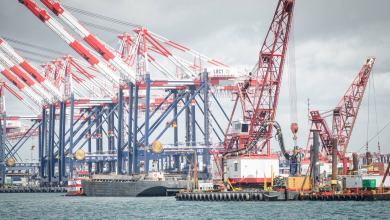
Panama Canal’s future is dark and stormy, much to shippers’ relief
The end of Panama’s dry season is in sight, and the Panama Canal Authority plans to welcome more vessels in the coming weeks.
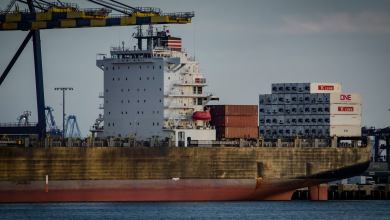
Demand shocks keeping aging fleets afloat, argue shipowners
Ship recycling has fallen to its lowest level in 20 years, per a recent report by the Baltic and International Maritime Council.

Red Sea crisis nears boiling point, unable to heat up spot rates
If China and Russia find the Houthi problem in the Red Sea as intractable as the U.S. and its allies have, it would all but halt what little maritime traffic remains in the region.
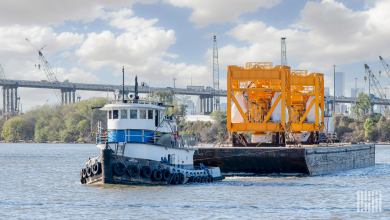
Mississippi River shipping faces potential crisis for third straight year
An unusually warm and dry winter might herald drought conditions in key areas of the Mississippi River Basin over the coming months.
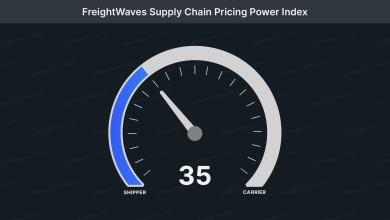
Beware the false spring
Even as carriers’ pricing power deteriorated, freight demand was consistently robust throughout February.

Threat of strike looms large over East, Gulf Coast ports
Dockworkers are fully prepared to swap pallet jacks for picket signs come October.

War risk exclusions by insurers heighten stakes in Red Sea attacks
A recent string of Houthi attacks have reignited concerns about the Red Sea crisis, raising the floor for tanker rates.
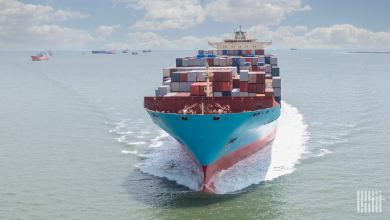
Despite dim outlook, January imports grew at fastest pace in 7 years
A rise in Chinese imports indicates seasonal trends are playing out as usual, very much unlike 2023’s anemic performance.
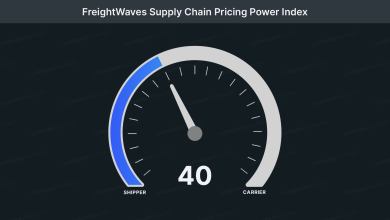
The long road to recovery
The early stages of this recovery are characterized by a rebalancing market, a return to normalcy after a four-year roller coaster of volatility.

Red Sea turmoil drives Chinese exporters to rail, other alternatives
A recent round of U.S. and British strikes raise fresh questions about the impact of container shipping in the Red Sea.
Crosswinds threaten soft landing
The sustained imbalance between supply and demand has yet to be corrected, such that only an unprecedented tidal wave of demand could satisfy the current amount of capacity in the national freight economy.
Better late than never
Spot rates did eventually see a boost at the start of the new year, albeit one that was unable to meet our prior forecasts.
It’s beginning to look a lot like … 2021?
Tender volumes began to outpace 2020 earlier this week and are now marching toward favorable comparisons with 2021.
Steady as she goes
Volumes are leveling out at the start of December, delaying the seasonal dip that ordinarily occurs at this time of the year.