




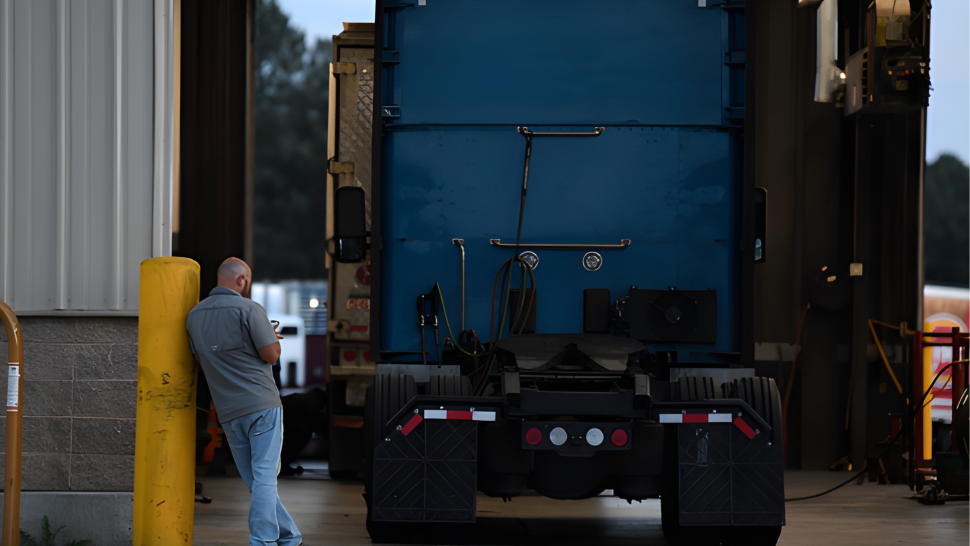
ATRI’s latest research doesn’t just confirm the problem, it puts hard numbers to what you’re probably already feeling: 65.5 percent of shops are short-staffed in 2025, with nearly one in five technician positions unfilled.
That means even the best shops are running lean, and you’re competing with mega fleets for time on the rack.
Why This Shortage Hits You Harder Than Big Carriers
Large carriers can muscle their way to the front of the line with contracts, volume, and buying power. Small fleets and owner-operators? You’re waiting behind them.
ATRI found that most new techs — 61.8 percent — enter the field with no formal training. Shops then spend an average of 357 hours and over $8,000 in trainee wages before they’re even productive. That’s time and money shops recover by prioritizing larger accounts. If you’re walking in off the street with one truck needing work, your downtime becomes the buffer that funds their training program.
For you, every idle day costs fixed expenses you can’t dodge. Truck payment, insurance, and overhead keep running whether the truck does or not. One week parked can erase a month’s profit, and with a technician shortage this severe, “waiting your turn” is now part of doing business unless you adapt.
The Training Gap That Drives Delays
Even when shops hire graduates from diesel programs, ATRI’s study showed over 30 percent of them still lack qualifications in 20 core skill areas. Think about that. One out of three program grads can’t handle essential repairs without more training.
The kicker? Not all training hours are created equal. In seven critical skill areas, every extra hour of training increased competency by more than 16 percent. In six other areas, the gain was less than 8 percent per hour. That means some schools are teaching techs how to change oil but skimming over electrical diagnostics or emissions systems that keep today’s trucks sidelined.
For you, this translates to rookie mistakes, repeated visits, and jobs taking twice as long as promised. If your shop churns through undertrained techs, your truck becomes the practice ground.
Barriers That Keep New Techs Out of the Bay
ATRI also dug into why more techs aren’t entering the field, and the answers explain a lot:
- Tool Costs – 29%: New techs shell out thousands for personal tools before they even earn steady pay.
- Lack of Knowledge – 28%: Many walk in green, needing extensive training.
- Low Starting Pay – 16%: They’re looking at years before wages climb.
- Weak Mentorship – 10.8%: No guidance, just trial by fire.
Meanwhile, pay and schedule flexibility are what attract them most. Shops that can’t compete on those fronts lose candidates to automotive or agricultural repair. ATRI noted that 44 percent of trucking techs are already eyeing other industries.
That churn shows up as revolving doors in your local diesel shop. One week you’ve got a good mechanic, the next week he’s gone, and you’re explaining your DEF issue all over again to someone new.
What Small Carriers Can Do About It
You can’t fix the entire tech pipeline, but you can control how your fleet adapts. Here’s what works in the real world:
- Build Relationships With Trusted Shops
Don’t wait until breakdowns to hunt for help. Identify two or three shops you can rely on and build loyalty. That might mean giving them consistent business even for smaller jobs like PMs. When bays are full, they’ll remember who stuck with them.
- Learn What Jobs You Can Handle In-House
Not every repair belongs in a shop. Oil changes, filters, belts, and minor electrical troubleshooting can be handled if you invest in tools and training. A $1,000 investment in shop tools could save you thousands in downtime by keeping trucks rolling between major visits.
- Plan Downtime Into Operations
If average repair delays stretch from three days to two weeks, you need to build that reality into your dispatch plan. Rotate equipment, build preventive inspections into pre-trips, and don’t run a truck to the ragged edge hoping for “one more load.”
- Budget for Higher Costs
With shops spending $8,211 per trainee before a tech is even useful, expect labor rates to climb. Protect cash flow by setting aside a monthly reserve. If your truck grosses $20,000 a month, earmark at least 5 percent ($1,000) for maintenance labor costs alone.
- Retain Your Own Techs (If You Have Them)
If your fleet is big enough to employ a technician, treat them like the lifeline they are. Pay fairly, provide mentorship, and cover some of the tool burden. The cost of replacing a tech is far greater than the raise you might be debating.
Pros and Cons of Today’s Tech Market
The Upside:
- More undertrained techs entering the field means opportunity to “grow with” a shop if you’re patient.
- Competition among industries (automotive, agriculture) may push trucking shops to improve pay and work environments, stabilizing turnover.
The Downside:
- Longer downtime is the new normal, with mega fleets prioritized.
- Costs are going up — both in shop labor and in the hidden cost of waiting.
- Variability in skill levels means you can’t assume “certified” equals “qualified.”
FAQs
Q: Should I hire my own tech if I only run 5–10 trucks?
A: Maybe. A single in-house tech can keep you rolling on PMs, brakes, and common fixes. But make sure you can provide steady hours and invest in tools. Otherwise, you risk turnover yourself.
Q: How do I know if a shop is worth my loyalty?
A: Watch consistency. If their turnaround is predictable and communication is clear, that’s worth paying a little more. Random delays and rotating staff are red flags.
Q: Are training schools getting better?
A: ATRI’s research shows some are improving, especially where added training hours match skill needs. But many are still behind. Don’t assume a “graduate” equals a tech ready for modern aftertreatment systems.
Q: How can I reduce downtime when the shortage is out of my control?
A: Preventive maintenance. Catch problems early. A $300 sensor swap in your yard is better than a $3,000 tow plus two weeks waiting on a shop bay.
Q: Will rates for shop work keep climbing?
A: Almost certainly. Shops have to cover training and tool costs, and with demand outpacing supply, expect labor rates to rise another 10–15 percent in the next year.
Final Word
The diesel technician shortage isn’t a headline for you to scroll past — it’s a reality shaping your profit margins today. ATRI’s research confirms what you already know from the seat: trucks are parked longer, costs are rising, and undertrained techs are filling in gaps.
You can’t control the national labor pool, but you can control how prepared you are. Build relationships with shops, invest in what you can handle yourself, budget for higher labor costs, and never push maintenance down the road.
Because here’s the truth — the truck doesn’t care if the market is soft or the load board is thin. When it breaks, it breaks. And in a world where every repair takes longer, the fleets that survive are the ones disciplined enough to plan for it.
The shortage is real. But so is your ability to adapt.
Brokerage Compliance Symposium
The day before F3. Every compliance issue you face - fraud exposure, carrier liability, FMCSA rules, cargo theft, insurance gaps - navigated by attorneys and operators defining best practices in a changing industry.
F3 Awards Dinner
The night before F3. FreightTech100 companies honored. FreightTech 25 and Shipper of Choice winners revealed live. Cocktail reception into dinner and live music - 300 industry leaders in one purpose-built room.
F3: Future of Freight Festival
Industry-defining keynotes, rapid-fire technology demos, and industry leaders networking in experiences across Chattanooga - plus the inaugural F3 Awards Dinner featuring the FreightTech and Shipper of Choice reveals.
The day before F3. Every compliance issue you face - fraud exposure, carrier liability, FMCSA rules, cargo theft, insurance gaps - navigated by attorneys and operators defining best practices in a changing industry.
The Signal at Chattanooga Choo Choo • Chattanooga, TN Register NowThe night before F3. FreightTech100 companies honored. FreightTech 25 and Shipper of Choice winners revealed live. Cocktail reception into dinner and live music - 300 industry leaders in one purpose-built room.
The Signal at Chattanooga Choo Choo • Chattanooga, TN Register NowIndustry-defining keynotes, rapid-fire technology demos, and industry leaders networking in experiences across Chattanooga - plus the inaugural F3 Awards Dinner featuring the FreightTech and Shipper of Choice reveals.
The Signal at Chattanooga Choo Choo • Chattanooga, TN Register Now