




Eric Kulisch
Tuesday, May 26, 2020
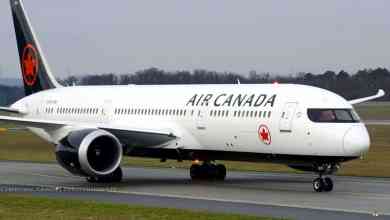
Air Canada raises $750 million to boost liquidity
Airlines like Air Canada are raising private capital through various means, while also seeking emergency government assistance.
Airlines like Air Canada are raising private capital through various means, while also seeking emergency government assistance.
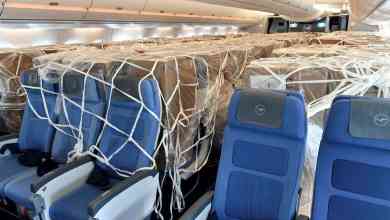
One of the big innovations for passenger airlines during the coronavirus era is using their planes as dedicated cargo haulers. Cargo 2.0 was putting boxes in storage bins and other seats. Cargo 3.0 is cargo on seats.
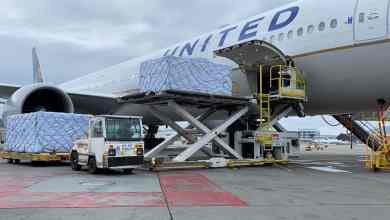
If you’re a forwarder and need more airlift to get goods around the world, you’re in luck. Airlines are listening and putting more assets to work.
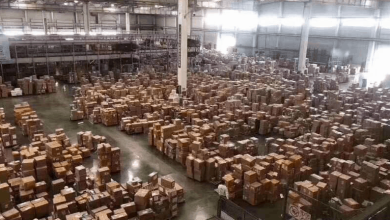
A perfect storm of events has created the mother-of-all cargo bottlenecks at Shanghai’s Pudong airport, where shipments sit at a standstill in crowded warehouses waiting for overwhelmed Chinese customs officers to inspect outbound PPE shipments.
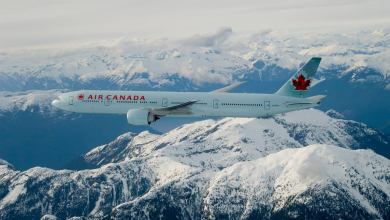
Air Canada is trying to navigate the darkest period in aviation history through cost cuts, financing and new cargo operations.
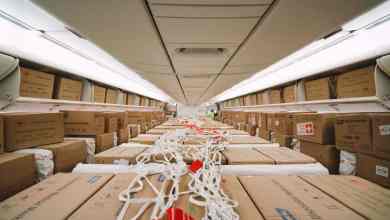
Domestic airlines want to put cargo in passenger seats or stacked on the cabin floor, as some foreign counterparts are already doing. But they first need authorization from U.S. authorities.
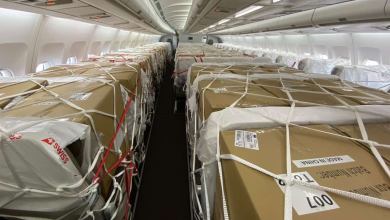
The FAA is making it easier for airlines to survive the current economic crisis by quickly ruling on how to carry cargo in the passenger cabin and relaxing takeoff and landing quotas.
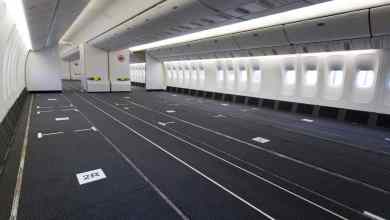
Cargo has had a window view on some international airlines. Now U.S. airlines are looking to load boxes in the passenger cabin when operating in cargo-only mode. The next step — remove the seats altogether.
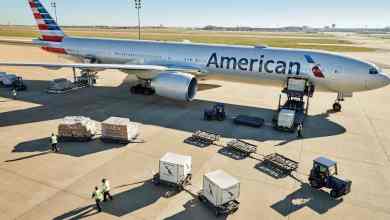
The idea of using passenger planes as freighters would have been considered farfetched in February since the main deck can’t be loaded with large pallets. But when there’s a pandemic and a shortage of cargo space, the logistics community gets creative and these planes are being booked at a rapid pace.
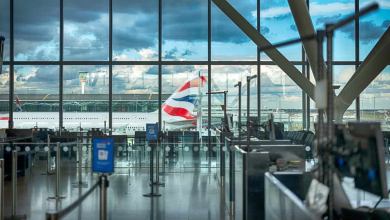
Airlines are in survival mode and could permanently rid themselves of older aircraft in effort to help financial recovery.
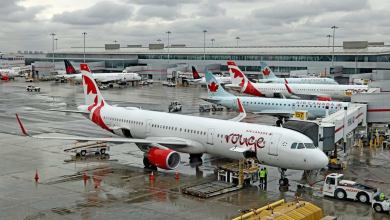
The global pandemic is forcing airlines into a protective cocoon to survive, but many workers are feeling the effects first-hand.
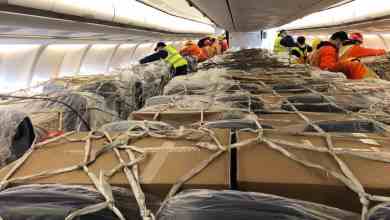
Demand to move goods during the pandemic crisis is high, but available air cargo space is low. Passenger airlines are finding a robust market.
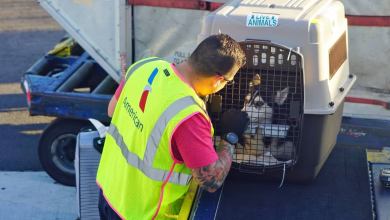
Airlines have less resources to handle certain types of cargo and their warehouses hours are being reduced because of cutbacks associated with the coronavirus.
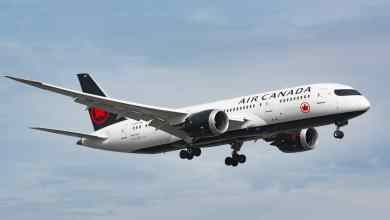
The coronavirus is an existential threat to the airline industry, Air Canada’s CEO says
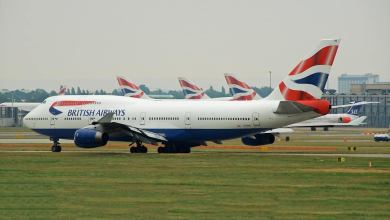
The coronavirus is becoming an existential threat to the airline industry and companies are taking drastic steps to minimize financial losses.
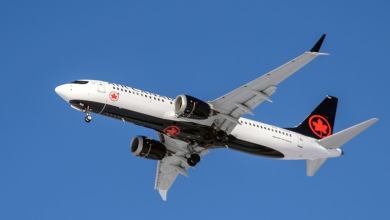
From maintenance, to deferred aircraft upgrades, IT work to rejigger reservation systems, and extra fuel and maintenance costs the grounding of the Boeing 737 MAX is financial and operational constraint for airlines.
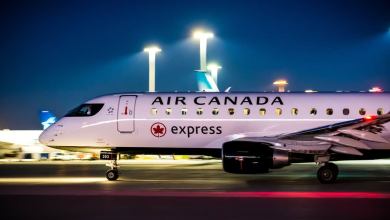
Headwinds from one-time expenses, geopolitical tensions in Asia and the grounding of Boeing 737 MAX aircraft kept Air Canada from growing profits in line with stock market expectations.
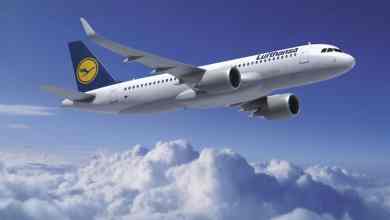
The coronavirus could present a silver lining for freighter operators, but any boost in business may be weeks or months away, depending on how long the contagion lasts.
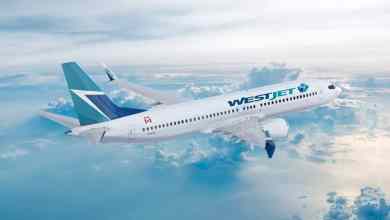
The infection from the Boeing 737 MAX crisis is spreading through the aviation sector, hurting airlines, suppliers and their employees.
Airline’s Pacific and Atlantic routes hardest hit as trade wars continue to take a toll on air freight volumes and yield.