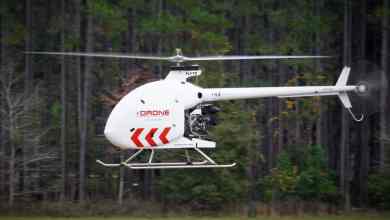
If drones can deliver Starbucks, what’s taking so long for packages?
How quickly drone package delivery becomes a reality is dependent on a couple of factors, perhaps none bigger than whether the public is ready to accept it.
Capacity can be a fleeting thing, especially in the middle of a pandemic. Airlines are shrinking their flight schedules and it’s hurting cargo shippers who depend on the lower-deck space to move goods.
New COVID travel restrictions have dealt Canadian airlines and their workers another blow. The financial road ahead looks scary until vaccines start working.
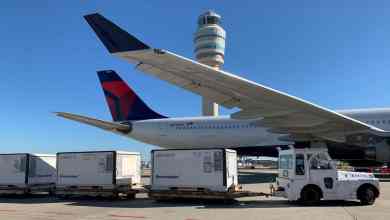
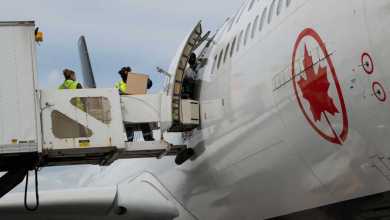
Delta joins the caravan of airlines moving COVID vaccines. Air Canada gets ready.
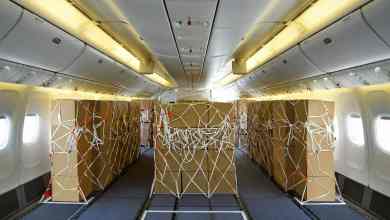
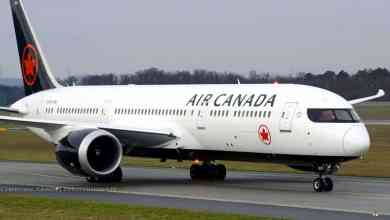
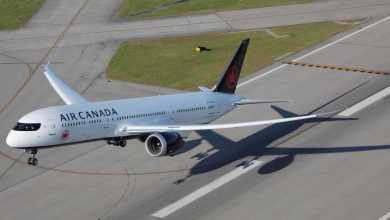
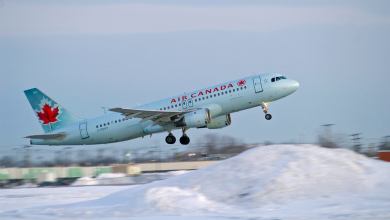
Air Canada is showing itself to be one of the most innovative airlines around. It plans to start an all-cargo subsidiary on top of new initiatives in drone delivery and seatless aircraft that can carry cargo in the cabin.
Drone applications are growing by the day, but only a few directly involve airlines. Air Canada is taking a novel approach, acting as a freight intermediary that matches shippers with drone operators.
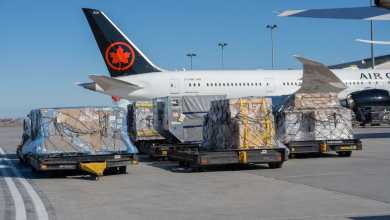
Air Canada sees a business opportunity flying all-cargo planes for e-commerce companies.
Air Canada revenues came in below expectations, but the company was able to cut costs to beat earnings expectations.
Major companies in the transportation and logistics world have taken interest in Canada’s massive undertaking to distribute millions of COVID-19 vaccine doses.
Air Canada is losing its CEO, Calin Rovinescu. He will retire early next year with a reputation for bold leadership.
Cargo is no longer the stepchild at passenger airlines. Strong cargo sales have helped keep airlines afloat as revenues plunge during the coronavirus. Will we see airlines start to buy freighters to capitalize on cargo demand?
United Airlines’ early commitment to quasi-freighter operations as the coronavirus crisis grew has paid off financially. The airline is ramping up cargo operations even further during the third quarter.
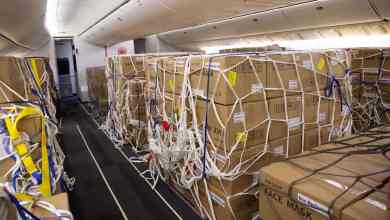
Delta Air Lines is stripping — seats that is. Removing seats from passenger aircraft adds capacity for lucrative cargo.
There was a marked difference in how Canada and the U.S. reacted to the opportunity of transforming passenger aircraft into twin-deck freighters by removing the seats. One country moved very fast. The other was slow to the party.
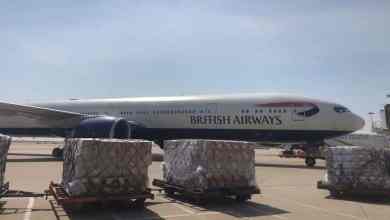
The cargo divisions at Air Canada, IAG/British Airways and Air France-KLM played dominant roles for their respective airlines in the second quarter, creating cash flow. Typically, they barely register on the financial statement. What happened?
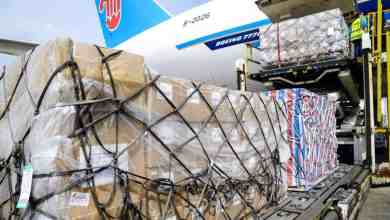
vailable cargo space on outbound aircraft from China is starting to become scarce again. Shippers better hurry to lock up reservations for the late summer and peak season.
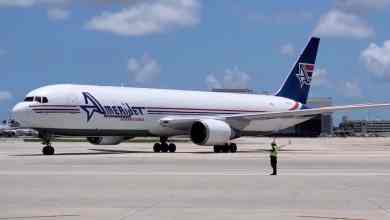
Tim Strauss is leaving Air Canada Cargo to lead Miami-based Amerijet.
The FAA’s ruling allowing airlines to jam more cargo in the cabin by removing passenger seats may be a pyrrhic victory. The incentive to do so may have passed.
It’s a turbulent period in Europe for the aviation industry. Regional travel is reopening in the EU, but the UK has tightened travel restrictions and airlines are struggling to stay in business without government assistance.
Airlines like Air Canada are raising private capital through various means, while also seeking emergency government assistance.