





U.S. Postal Service prepared for peak season surge
The U.S. Postal Service says it has the proper staffing levels and systems in place to keep packages moving for the holidays.
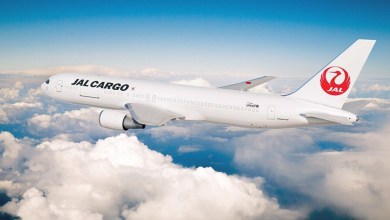
Japan Airlines hires B747 cargo carriers to meet high-tech demand
Japan Airlines is adding more dedicated, long-haul cargo capacity by outsourcing flying to airlines with large freighter aircraft.
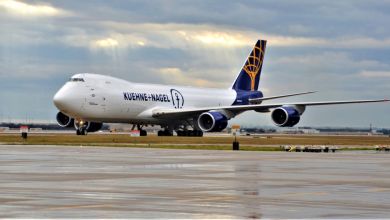
AI air freight drives Kuehne+Nagel profit increase
Logistics behemoth Kuehne+Nagel reported strong results in the third quarter, powered by hyperscaler demand for air cargo and productivity gains.

FedEx taps AutoZone executive to be finance chief
FedEx has named a retail executive to be its next CFO.
Australia Post CEO to retire as financial challenges continue
CEO Paul Graham has spent five years working to reform Australia Post, but is leaving the job soon to someone else to complete.
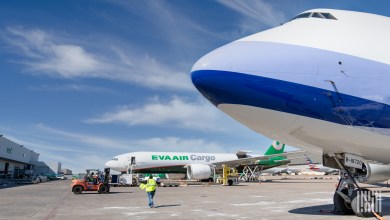
Airbus sees 46% freighter increase by 2045 amid stable air cargo growth
The Airbus 20-year outlook for freighter demand is little changed from last year, showing a global fleet nearly 50% larger than today.
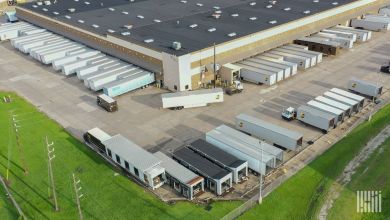
UPS automates 4 additional facilities ahead of peak shipping season
UPS has completed several facility upgrades, increasing their capacity and productivity heading into peak shipping season.

Stord acquires e-commerce competitor AMS Fulfillment in large deal
Retail fulfillment provider Stord has acquired AMS fulfillment, a large competitor.
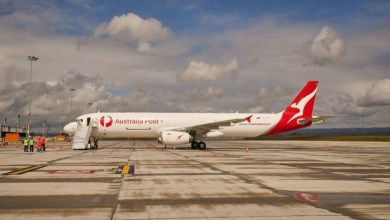
Australia Post expands freighter fleet ahead of holiday e-commerce rush
Qantas Freight and Australia Post are big proponents of the Airbus A321 converted freighter, which hasn’t gained widespread popularity.
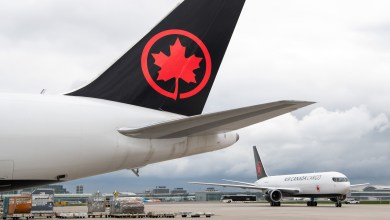
Air Canada adds freighter destinations for winter season
Air Canada is expanding its freighter network to Europe and Latin America for the winter.

Ceva Logistics puts Paack in charge of last-mile parcel delivery
Recently acquired Paack will be the last-mile delivery brand under Ceva Logistics, which also owns courier Colis Privé.

DHL Group boosts guidance on expectations for strong peak season
DHL Group has raised its 2026 outlook.
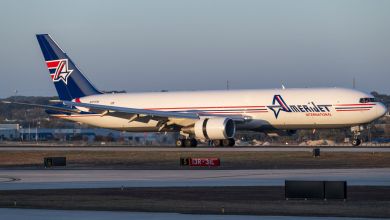
Amerijet to repair aging 767 freighter aircraft damaged in hard landing
Amerijet says it will repair the buckled skin on a Boeing 767 freighter aircraft despite its age.
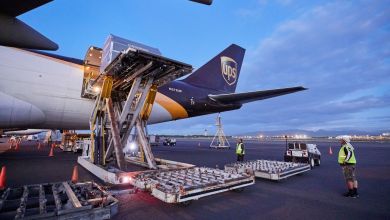
Larger UPS air hub in Philippines boosts Asia service levels
UPS has opened a larger air cargo and package terminal in the Philippines to better connect Asia with its global network.
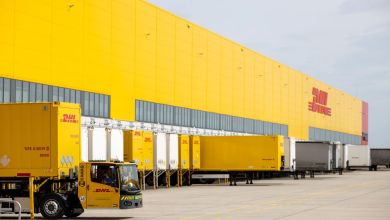
DHL earmarks $450M for Eastern Europe logistics expansion
DHL Group plans to make big logistics investments in Central and Eastern Europe.

FedEx digitizes booking process for European cold-chain pharma shipments
A new FedEx system for booking temperature-controlled shipments is making life easier for pharmaceutical customers in Europe.

Is UPS parcel pivot a strategic winner or a ‘Trojan horse’?
UPS is focusing on premium service over parcel volume with a potential Teamsters union strike on the horizon.

Parcel shipping costs approach record high as extra charges stack up
FedEx and UPS have turned surcharges into a profit center rather than a pass-through mechanism for unforeseen costs.
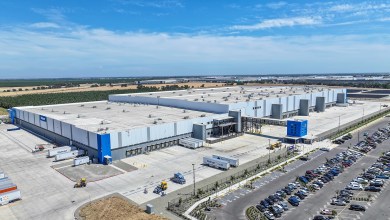
Walmart activates automated e-commerce logistics center in California
Walmart is heavily investing in next-generation, automated fulfillment centers.

AI gold rush transforms trans-Pacific trade and logistics
The data center boom has become a lucrative market for logistics companies, especially in the Asia-Pacific and United States.