




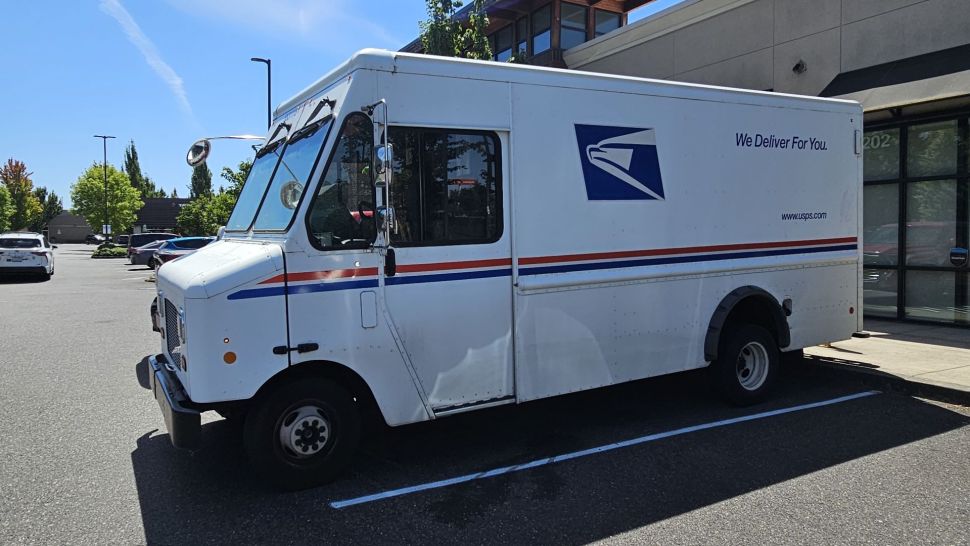
The U.S. Postal Service plans to raise the price of mail and package services by 4.8% this summer, with a First-Class Forever stamp rising from 78 cents to 82 cents, as part of a broad effort to stem billions of dollars in annual losses.
The national post on Thursday also announced its intent to temporarily suspend employer retirement contributions to the Federal Employees Retirement System to conserve cash and maintain liquidity. The USPS previously suspended pension payments in 2011 during another period of financial stress. That suspension lasted several months, and the USPS later resumed the regular biweekly payments and remitted the withheld amounts.
The national carrier filed notice on Thursday with the Postal Regulatory Commission for the price increases, which are scheduled to take effect on July 12 pending the PRC’s review. The oversight body last week granted approval for the U.S. Postal Serviceto proceed with a temporary 8% surcharge to cover the escalating cost of transportation, especially fuel.
Under the recommended price changes, the additional-ounce price for single-piece letters will remain at 29 cents. The Postal Service is also seeking price adjustments for other First-Class Mail products, periodicals, marketing mail, package services and selected special services products.

At a congressional hearing last month, Postmaster General David Steiner warned the Postal Service could run out of cash in a year unless lawmakers addressed structural policies that impose heavy costs on the agency. He also reiterated the need for continued improvements in operational efficiency and revenue generation, saying he wanted to raise the stamp price to 95 cents.
The USPS had a net loss of $9.5 billion in fiscal year 2025.
“In the midst of the severe financial crisis facing the Postal Service and continued rising operational costs, the Postal Service is using all available tools, including available regulatory pricing authority, to ensure we can continue to fulfill our universal service obligation and serve the American public,” the agency said in a statement. The agency is self funded and doesn’t receive tax dollars for support.
Keep US Posted, an advocacy group of consumers, nonprofits, newspapers, greeting card publishers, magazines and catalogs, complained in a letter to a House subcommittee earlier this week that postal rates are already too high.
“The Postal Service does not have a revenue problem; it has a cost control problem,” wrote Executive Director Kevin Yoder. “Stamp prices have climbed 44% over the past 15 years, and rates for other mail products have risen even more. Yet despite these repeated increases, USPS has still lost more than $25 billion since [former] Postmaster General DeJoy launched the 2021 Delivering for America plan — even after Congress provided $10 billion under the 2021 CARES Act and eliminated $120 billion in liabilities under the Postal Service Reform Act of 2022.” The organization is calling on Congress to limit USPS rate hikes to once per year and cap them to the rise of the Consumer Price Index.
Chief Financial Officer Luke Grossman said current and future retirees will not be impacted if normal retirement cost payments are temporarily withheld.
“The risk to the Postal Service and the American public from insufficient liquidity for postal operations dramatically outweighs any longer-term risk to the pension funds from not making the currently due payments. We will continue to transmit to employees’ contributions to FERS and will also continue to transmit employer automatic and matching contributions and employee contributions to the Thrift Savings Plan. It must be noted that our pension systems remain much better funded than other agencies,” he said in a statement posted on the agency’s in-house news site.
Click here for more FreightWaves/American Shipper stories by Eric Kulisch.
Contact: ekulisch@freightwaves.com.
RELATED READING:
Amazon signs new delivery deal with Amazon for 20% less volume
Postal Service can proceed with 8% parcel surcharge, regulator says
US Postal Service on brink of collapse, chief tells Congress
