How starting as a traditional brokerage led to a digital transformation
Full digital automation of shipping processes may be on the way, but what are the intermediary steps leading us there?
Net-zero carbon emissions from the transportation sector is possible by 2050 if industry starts to make changes now, says a new report.
CargoX Smart B/L platform would be the first open and neutral blockchain platform in the shipping industry for real-world commercial use.
Higher rates ahead for FedEx shippers.
Supply chain software company E2open is in the process of acquiring the world’s largest neutral maritime network INTTRA, in its bid to expand its services to the ocean container industry.
Continuing efforts to fight what he says are unfair trade practices, the administration of President Donald Trump announced the U.S. will pull out of the Universal Postal Union (UPU) treaty, which sets how much can be charged for international shipping.
UNCTAD expects volumes across all maritime segments to grow in 2018. However, it warns that trade wars can disrupt the global trading system and there is a need to assess the implications of vertical integration within the industry, addressing any potential negative effects.
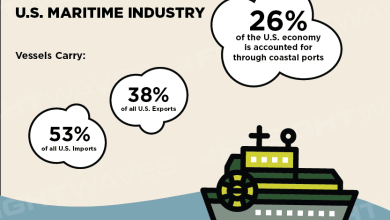
We take a look at the U.S. maritime industry in our latest infographic.
In September 2017, IKEA Group was one of the first to join EV100—a global initiative created by The Climate Group—and now, a year later, IKEA Group has announced their commitment to moving toward zero emissions deliveries in 5 major cities by 2020.
This is all part of the startup’s mission to help independent ecommerce businesses battle giants like Amazon.
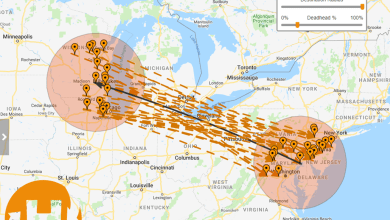
Transportation network Lanehub recently announced Backhaul Assist, a feature that will allow shippers utilizing private fleets or dedicated contract carriers to market available capacity to other shippers.
Exactly three months after truck drivers in Brazil shut down highways for across the country in protest, its impact continues to be felt.
The digital platform is designed to match warehouse space and fulfillment services with small and medium-sized companies working to get online orders out fast.
As schools are back in session this month, students across the country are stocking up on easy, cheap, dorm-friendly foods. Most notably, instant ramen noodles. They’re certainly a hot commodity this time of year—so hot, in fact, that thousands of dollars worth of ramen has gone missing outside of Atlanta.
Sponsored by LaunchIt Public Relations…Alan Amling, director of UPS’s Global On-Demand Manufacturing Initiative pursues the benefits of on-demand additive manufacturing.
Unilever, the massive Rotterdam-headquartered company that brings beauty, personal care, and food products to over 2.5 billion people daily, has partnered with JD.com, an e-commerce giant based in Beijing, to expand its reach in China.
The Freight Movement is in partnership with Arrive Logistics …The continued speculation over global trade and tariffs has increased the uncertainty that manufacturers and the businesses that support them face, but it hasn’t dampened optimism.
According to CB Insights, “the maritime shipping industry accounts for 90% of global trade and is only now beginning to leverage technology. This shift could have far-reaching impact on retailers, consumer goods companies, manufacturers, and more.” With this important industry in mind, CB Insights hosted a July 24 webinar to “explore how shipping companies and global ports are utilizing automation and blockchain technology to revolutionize the shipping industry,” taking a look at various aspects of the supply chain along the way.
UPS opens $100M Paris distribution center, Boston prepares for traffic increases, and more on Today’s Pickup.
Dale Huang, the CTO of COSCO Network e-Logistics spoke about the importance of blockchain in the logistics and shipping world and how he expects the technology to gain centerstage in the near future.