




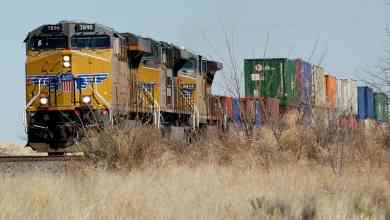
Railroads slowly getting back on track after Midwest floods
The largest freight railroad network in the U.S. still has several tracks out of service after Midwest flood damage. At least one other company also suffering losses.
The largest freight railroad network in the U.S. still has several tracks out of service after Midwest flood damage. At least one other company also suffering losses.

BNSF (NYSE: BRK) and Union Pacific (NYSE: UNP) are grappling with the aftermath of the recent historic floods, with both companies scrambling to assess and repair damage as quickly as possible.

Two major railroads have stopped freight service because of catastrophic flooding in the Midwest where rails are washed out.
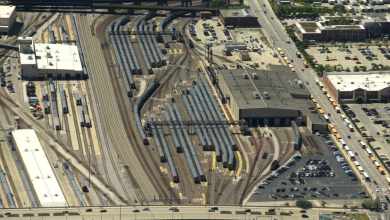
Rise in expansion and efficiency projects comes after strong year of growth in company’s intermodal business.
Five-year high in growth seen last year thanks to tariff front-loading and tight truck supply, but shippers likely to put brakes on growth this year.
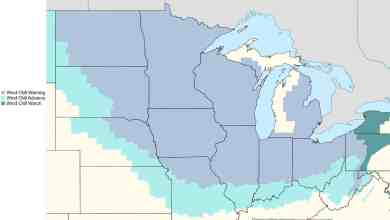
Class 1 railroads may have to shorten train lengths and reduce speeds to cope with cold, while drayage supply will also be tight.
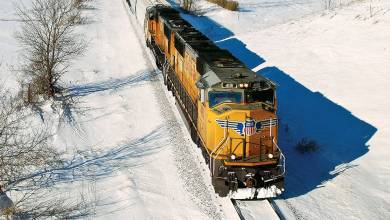
The company moved up its operating ratio targets on the back of a strong performance in the early days of precision railroading.
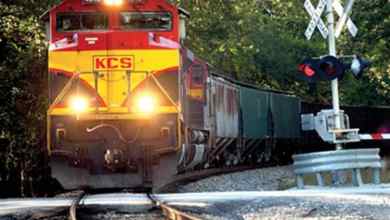
Just a few months after its CEO expressed some skepticism about the practice, the NAFTA-focused rail company will adopt its principles.
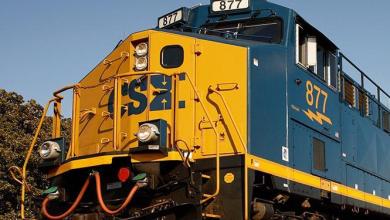
The operating ratio—strong enough in the third quarter that it can be argued it was earth-shaking—weakened slightly but was still ahead of the fourth quarter of 2017.
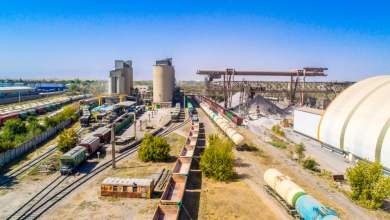
A current rail attorney who was with the STB for many years wonders whether it has ever broken free of the changes envisioned by the Staggers Act.

After first saying in November that operating ratio for the year would be flat, a strong December has enabled it to tick up slightly.
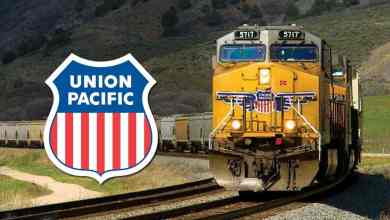
Jim Vena, protege of vaunted rail executive Hunter Harrison, seen as likely helping boost UP’s move to greater efficiency.

Cowen expects softening trucking prices in 2019 to be a headwind for truckload carrier earnings, but should widen gross margins for freight brokerages.

Rail and truck demand a secondary casualty in trade dispute.

In this final part of the three-part series, the author looks at what steps need to be taken to successfully implement precision railroading.
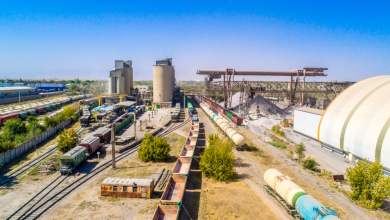
Precision railroading has worked, but consistent success has been elusive.
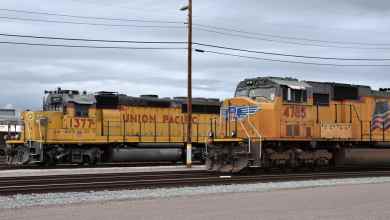
The Unified Plan 2020 is in place in one corridor, with another to come. So far, UP executives are boasting about its success.

The usual signs of an upturn in the trucking sector aren’t there, according to the Wall Street house, and Morgan wonders if a lot of the demand got pushed forward.
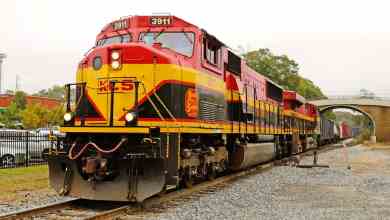
Railroad sees more appliance and brown paper freight moving off road transportation to rail.
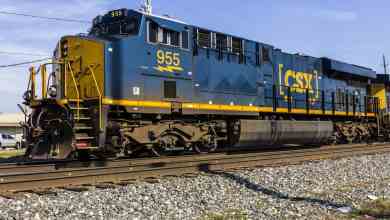
In his preview of the railroads’ Q3 earnings reports, Susquehanna’s Bascome Majors set optimistic price targets but warned that P/E valuations are at historically high levels.