




Joanna Marsh
Thursday, June 27, 2019
U.S. rail volumes continue to drop
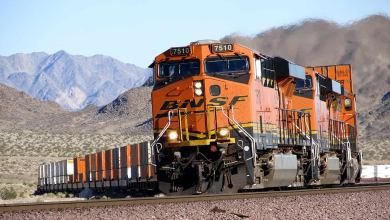
Year-to-date U.S. rail volumes fell again amid a loosening truck market, receding floodwaters in the Midwest and overall economic uncertainty.
Year-to-date U.S. rail volumes fell again amid a loosening truck market, receding floodwaters in the Midwest and overall economic uncertainty.
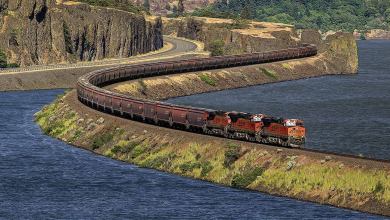
Flooding impacts, cheap natural gas prices, and trade and economic uncertainty could be factors contributing to a significant slump in weekly U.S. rail volume.
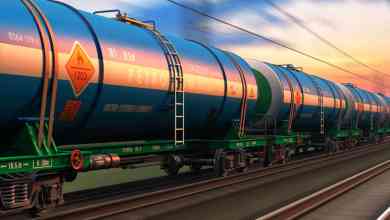
Railroad market expert Jim Blaze writes about the movement of chemicals by rail and how that sub-set of railroad traffic is profitable and may grow significantly in the near future.
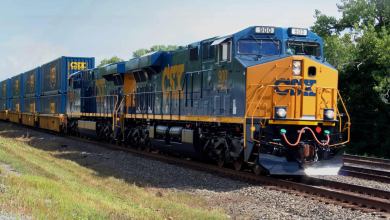
“It’s just a confusing time for all of us in transportation and anybody in manufacturing or business in general to have a really good sense of why we’re seeing this kind of softness,” said CSX chief executive officer Jim Foote.
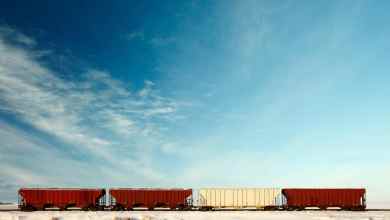
U.S. intermodal volumes fell 5.9 percent in May, while carloads fell 2.1 percent amid economic uneasiness and uncertainties surrounding U.S. trade between Mexico and China.

While the degradation was seen across most sectors, the transports are seeing outsized declines.

Only 17 percent of the relationships between the U.S. passenger and freight railroads required to utilize positive train control technology have interoperability, meaning that the host railroad can communicate with a non-host train through the technology, according to data released by the Federal Railroad Administration.
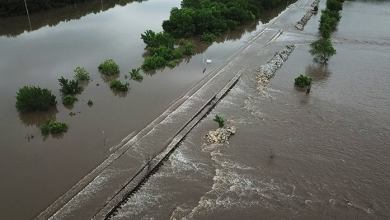
Total number of trains carrying loads, total number of trains held both increasing as Great Plains flooding washes out tracks.
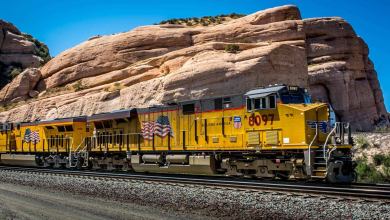
Union Pacific (NYSE: UNP) announced this week it would lay off almost 200 employees in eastern Oregon as part of a series of cuts the railroad is making in order to boost profits. The bulk of the layoffs are taking place at a railyard in the city of Hermiston. The yard will close. Additional layoffs […]
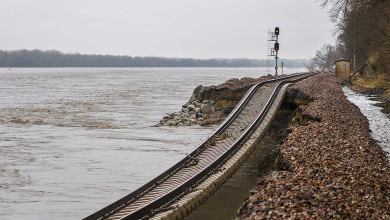
Hundreds of miles of rails still out of service, other assets at risk from flooding by severe storms.

Rail congestion in regions such as Chicago and Houston may have eased for now, but the railroads will still need to find ways to increase capacity at those busy city locations as the U.S. population grows, Class I railroad executives said at an investor conference this week.

Canadian rail volumes rose again year-to-date for the week ended May 11, while U.S. rail volumes continued downward amid U.S. tariff uncertainty and a fuzzy economic picture.
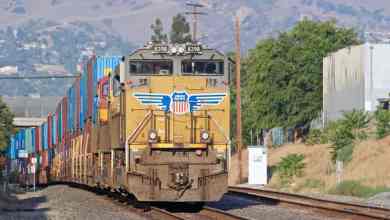
Union Pacific (NYSE: UNP) announced which intermodal terminals it would close around Chicago, Illinois, weeks after hinting on its first quarter earnings call that it planned to consolidate operations there. The railroad said on May 2 that the changes are a result of its efforts to “simplify” its supply chain along its intermodal network and […]
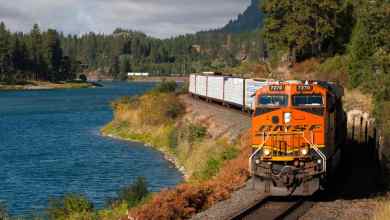
Berkshire Hathway (NYSE: BRK) chairman and CEO Warren Buffett said he would be willing to consider some form of precision scheduled railroading (PSR) for western U.S. railroad BNSF, although he didn’t say when or even if BNSF would eventually adopt the operating model. ”We are not above copying anything that is successful, and I think […]
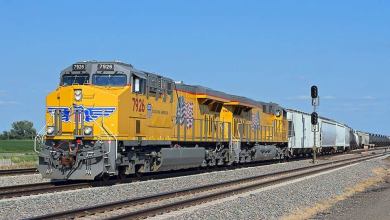
Union Pacific’s (NYSE: UNP) first quarter net profit rose 6 percent amid company efforts to rationalize or reorganize existing assets to streamline operations under precision scheduled railroading (PSR).
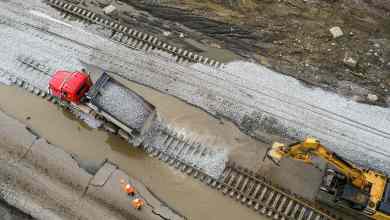
Hundreds of miles of critical freight rails once out of commission due to flooding are back in service.
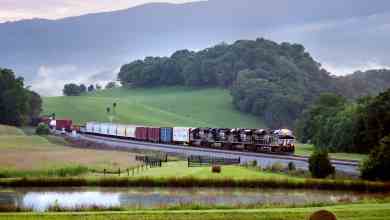
Precision scheduled railroading (PSR) could benefit customers and shippers, but its deployment pace and how shippers respond to changes will be key to its success, panelists said today at the North East Association of Rail Shippers conference in Baltimore, Maryland.
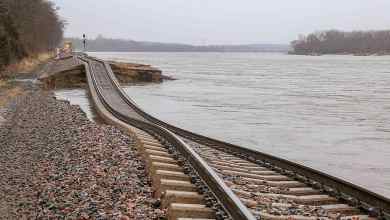
U.S. rail volumes fell again last week as rail service issues continue to plague the post-flooding Midwestern landscape.
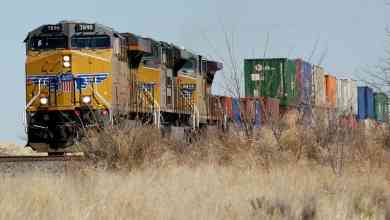
Union Pacific (NYSE: UNP) confirmed that it is slowing down its pace of construction at the multi-million dollar Brazos classification yard in Robertson County, Texas. This comes amid UNP’s plans to implement precision scheduled railroading and modify its operating plan to minimize railcar classification events.
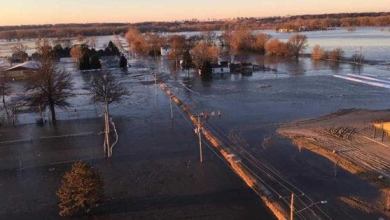
Historic flooding has caused around $1 billion dollars in agricultural damage in Iowa, Nebraska. Roads, rails still out of service.