




Viewpoint: Strategic outlook for rail freight?
Traffic density matters because it helps managers decide which rail track routes shift from main lines to possibly less viable branch lines.
Commentary: Rail freight real-time, all-the-time inventory visibility
Rail could leap forward with on-time management of shipper goods if it were bolder and faster at innovating.
Commentary: No, railroad freight electrification is not dead
AAR disregards that straight electric locomotives are easier to maintain. Plus each electric locomotive could be as powerful as perhaps two diesel-electric units.
Commentary: Rail chemicals’ 2021 rebound
Momentum for increasing railroad chemical traffic should continue in 2021.
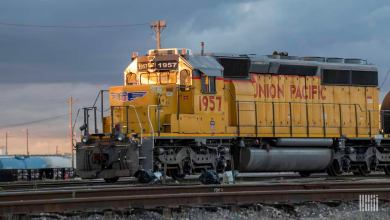
Commentary: Railroad freight car orders depressed through 2021
A good news indicator will be when the railroads and private car fleet owners start placing large new orders.
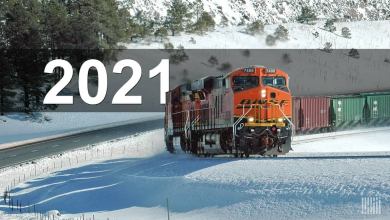
Commentary: Let’s watch rail freight recovery differently
The abnormal year of 2020 cannot be ignored. It simply is less relevant for strategic purposes when tracking rail’s progress.
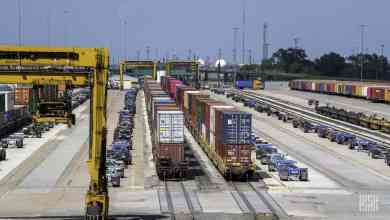
Commentary: New tools for competitive railroad intel
Superior market intel can be a game changer.
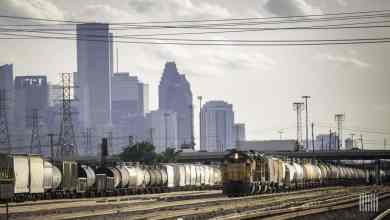
Commentary: Rail freight could grow market share
Important railroad customers are not satisfied with a business-as-usual case.
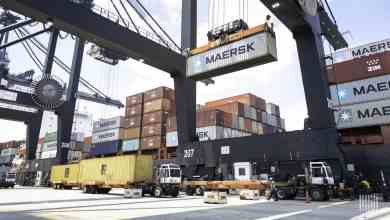
Commentary: Cloud-based tool has been supply chain breakthrough
Regardless of a transport or logistics manager’s objectives, the digital age name of the game is to estimate the dollar savings provided by an application like this.
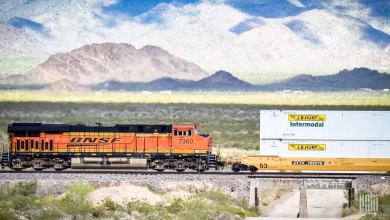
Commentary: Simple photos illustrate intermodal rail model
A few images convey a great deal about the intermodal rail model.
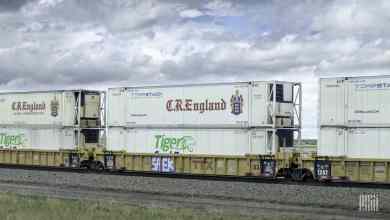
Commentary: A different view of intermodal rail
Which of the big seven railroad companies has a volume growth strategic plan to sync with J.B. Hunt?
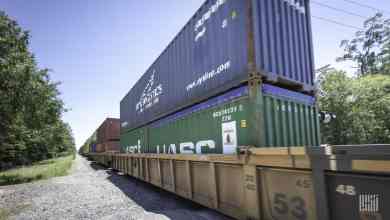
Commentary: High-tech railcar/inventory management
The Rail Pulse members control a potential car fleet universe of about 300,000 units.

Commentary: Your railroad contingency plan?
Overall, there will be lower rail volume levels continuing into the first quarter of 2021.
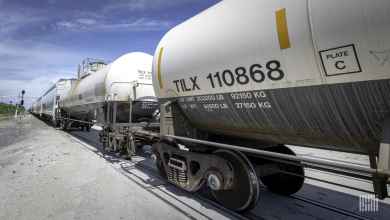
Commentary: Management ‘by surprise’
Rail freight needs to become more truck-like as to timely inventory reporting.
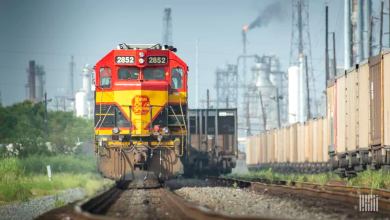
Commentary: A customer checklist for reading railroads’ third-quarter reports
Genuflecting toward Wall Street has symbolically become part of the North American Class 1 rail company culture.
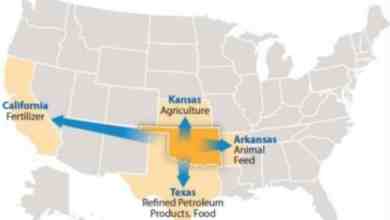
Commentary: Every state rail plan is unique
Oklahoma looks to have a reasoned approach toward railway change.
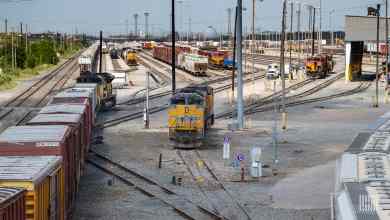
Commentary: US DOT’s rail freight ‘outlook’ signals huge changes
National freight “outlook” is significant for states, municipalities and companies that may want federal money for rail or other transport projects.
Commentary: Belay that RR intermodal market hype
It is too early to call the intermodal recovery a long-term win for the railroads.
Commentary: Rail freight recovery lags US economic pace
2020 could end up for the railroads as the worst overall freight volume loss year-over-year in the past 15 years.
Commentary: Railway insight from New England
Changes with significant impact on rail customers are taking place across New England.