




Joanna Marsh
Thursday, October 17, 2019
More network changes could happen in 2020, Union Pacific says
Rationalizing additional network assets is still a possibility in 2020.
Rationalizing additional network assets is still a possibility in 2020.
Now Goldman thinks that ISM data won’t turn positive until Q2 2020.
Carloads on the railroads remained under water in the first week of the fourth quarter 2019. Intermodal weakness will be in the spotlight as third quarter earnings season approaches.

Excerpt: The companies promote and assign new roles to longstanding employees.
Companies file a flurry of lawsuits against the big four U.S. Class I railroads, alleging their fuel surcharge programs violated antitrust laws.

Heading into earnings season, the railroads clearly have a revenue headwind as carloads declined again in the latest week.

Jennifer Hamann will succeed Rob Knight on January 1, 2020.
But a lot depends on stabilizing global growth and an industrial recovery in the United States.
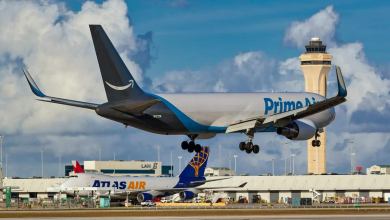
Amazon Air to begin flying at Dallas/Fort Worth regional hub next month

Hub Group believes “soft” intermodal volumes will begin to flatten out and that the 2019 peak shipping season will be similar to that of 2017.

Hub Group sees record earnings despite a “softening demand environment” and “increased truckload and intermodal competition.”
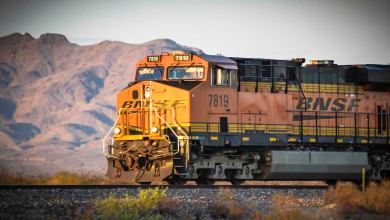
Passenger train proposal asks for comment on freight requirements as well.

“You’ve heard me say this many, many times – we’re not going to use the lack of volume as an excuse not to make aggressive achievements on our productivity,” Union Pacific chief financial officer Rob Knight said.
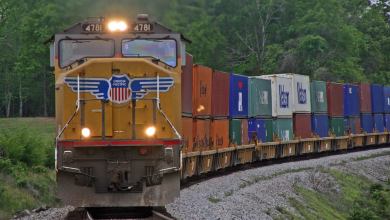
Union Pacific set an all-time record for its operating ratio in the second quarter despite lower freight volumes and a decline in freight revenue.

Norfolk Southern and Union Pacific are modifying some of the ways they collect demurrage and accessorial charges for some commodities, but some shippers are questioning the modifications.
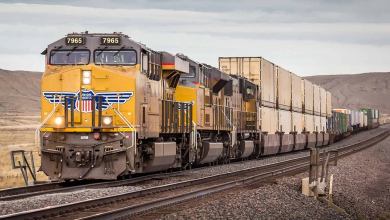
Union Pacific’s (NYSE: UNP) intermodal rail service saw average speeds sink to a two-year low in the second quarter, with shippers and intermodal marketing companies reporting extensive delays in getting their freight from the railroad. The service hit came during an overall lull for West Coast container imports. And many of the delays were due […]
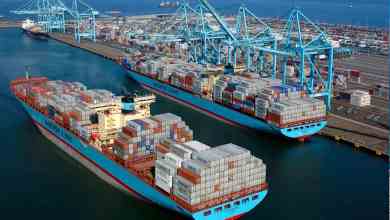
Maersk’s (Nasdaq OMX: MAER) fight to bring automation to its largest North American marine terminal is getting support from shippers and non-ocean carriers concerned about the impact on the environment and the precedent of government overreach into the future of freight. The world’s biggest shipping line faces a do-over as the Los Angeles Board of […]
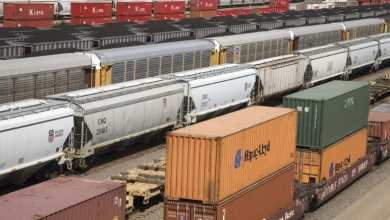
Rail volumes were off again for the week ending June 29, 2019 with U.S. railroads reporting a 5.5 percent decline.

Barge grain movements on Mississippi 85 percent lower than a year ago

The legislation comes four years after Washington and California passed laws requiring better preparation for derailments and spills.