




Businesses will pay more next year to ship packages through the U.S. Postal Service, which is pushing through another round of pricing and fee adjustments.
The Postal Service notified the Postal Regulatory Commission on Thursday about its intent to raise domestic and international shipping rates and surcharges, effective Jan. 17.
The most impactful increase is a new, permanent fuel surcharge pegged at 11% of the total shipping bill. The fuel surcharge, which is aimed at recovering heavy diesel fuel expenditures for its truck and delivery fleet after the Iran war caused prices to shoot up, is three points higher than originally proposed less than three weeks ago and the temporary transportation fee implemented in April, which is set to expire on Jan. 17.
The Postal Service, which reduced its operating loss last year to $2.4 billion, last month disclosed plans to implement an 8% fuel surcharge. It will be the first-ever permanent fuel surcharge for the national post, as it adopts a practice common among private courier fleets.
The agency said the surcharge, which will not apply to international products at this time, will be reevaluated in July based on fuel prices in the first half of 2027.
The fuel surcharge is an extra hit for shippers, but is significantly less than the 28% to 30% fuel surcharges being collected by FedEx and UPS, and only applies to base postage.
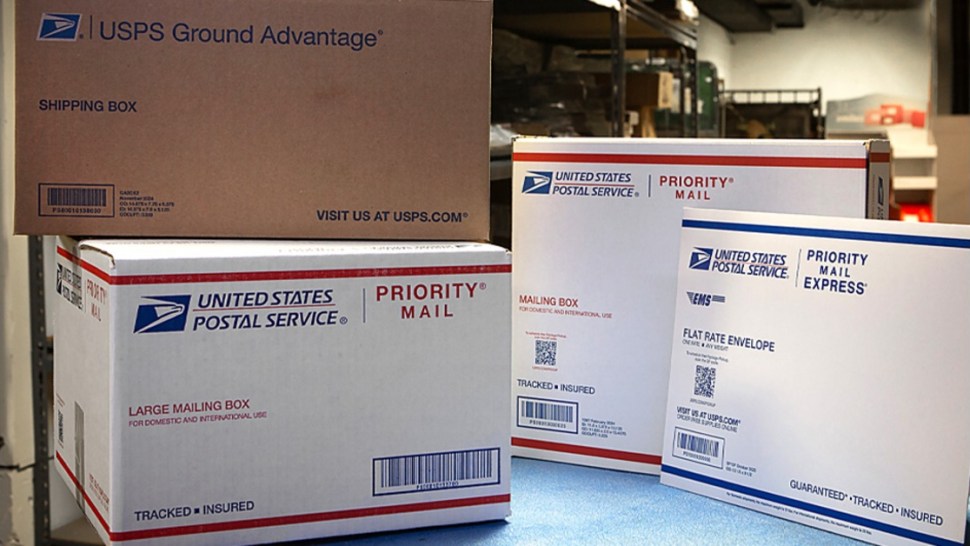
The adjustments would raise domestic shipping service prices 5.9% on average for Priority Mail service, Priority Mail Express, Ground Advantage and Parcel Select products, matching the 5.9% general rate increases from FedEx and United Parcel Service for next year.
The USPS will also increase prices on some competitive special services and introduce new fees commonly charged by private sector competitors. Shippers, for example, will pay more than 20% on shortpaid postage because of inaccurate weight or volume calculations, for example. Non-compliant shipping labels will incur a $5 fee per parcel. Other fees cover address enhancement services, premium forwarding, and ancillary services.
Drilling into specific product changes shows that short zones bear the brunt of the price increase. Priority Mail packages up to five pounds will cost 7% more, with an 11.6% increase for short-to-mid range regional distances and 4.4% for longer distances. Ground Advantage, the most economical product, is slated to go up 6.9% for packages under one pound, on top of July’s elimination of ounce pricing for commercial rates. One pound boxes destined for short-and-intermediate zones get an 11.9% increase, on average.
Parcel Select packages are priced 5.5% to 6% higher, depending on weight.
Why It Matters: Parcel shippers are feeling the impact of add-on fees. Hikes in the fuel surcharge and new fees for heavier packages and premium services helped push up ground and express parcel costs by 5.2% and 5.9% year over year for ground and express parcels, respectively, during the third quarter.
International changes
In addition to increasing domestic competitive rates, the Postal Service is adjusting international mail and shipping rates as well as the country rate group structure and group assignments. The adjustments will raise prices by an average of 7.9% for regular and express international products.
The Postal Service said it is also introducing a new optional Outbound Proof of Delivery service for Priority Mail International and expanding USPS Delivered Duty Paid (DDP) service to include International Priority Airmail. The change in the DDP service will allow outbound customers to pay the duties while mailing or at a later time.
Postmaster General David Steiner has made revenue growth a key priority since taking the helm 18 months ago.
“The USPS governors believe these new rates will keep the Postal Service competitive while providing the agency with much needed revenue as it continues to struggle with financial issues,” the agency said in a news release.
Click here for more FreightWaves/American Shipper stories by Eric Kulisch.
