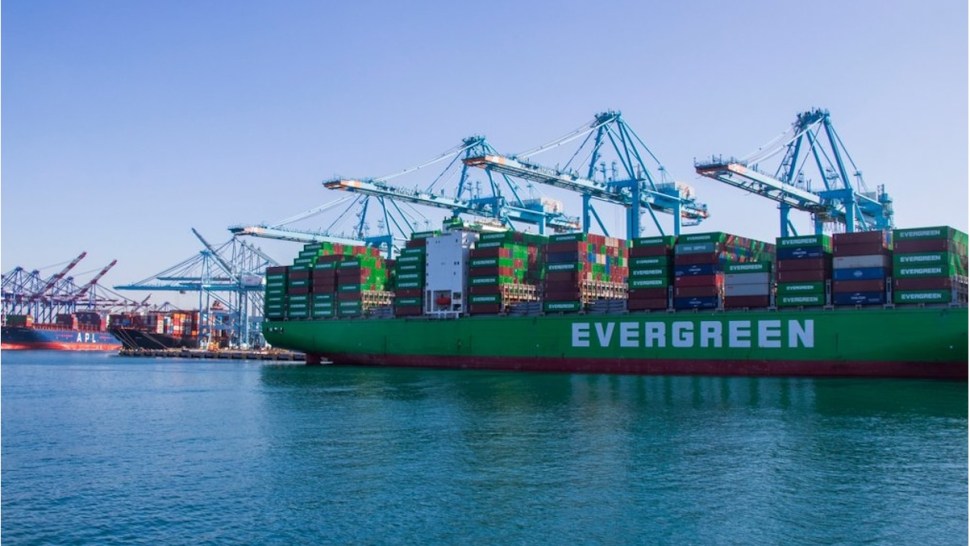
The Port of Los Angeles recorded its busiest October ever, handling 1,026,872 twenty-foot equivalent units, or TEUs, and surpassing 1 million TEUs for the second consecutive month for the first time in its history.
October’s total was the second-highest monthly volume ever at the nation’s busiest container port, following September’s all-time record. The port has now reached the million-TEU threshold three times in 2026, another first. According to the port, no other U.S. port has handled 1 million TEUs in a single month.
From June through October, Los Angeles processed nearly 5 million TEUs, its strongest five-month stretch on record.
“What’s remarkable isn’t just the record volume but our ability to sustain this level of activity month after month,” Port of Los Angeles Executive Director Gene Seroka said in a media briefing. “It’s a testament to the strength of our supply chain partners and the tremendous work being done across our waterfront every day.”
Loaded imports reached approximately 538,620 TEUs in October, up 25% from a year earlier and 30% above the port’s five-year October average. Loaded exports fell 7% from October 2025 to 114,981 TEUs.
The port also handled 373,271 empty TEUs, setting a monthly record for the second consecutive month as ocean carriers repositioned containers to Asia for additional shipments.
Seroka attributed the elevated cargo activity to continued consumer spending, retailers replenishing inventories, changes in trade policy and ongoing challenges along other global shipping routes.
“Our customers are choosing Los Angeles for the speed, reliability and reach of our supply chain,” Seroka said. “These past five months have demonstrated what we can accomplish while moving extraordinary volumes of cargo efficiently to destinations across America.”
Through the first 10 months of 2026, the port processed approximately 9,108,497 TEUs, up 5% from the same period last year and 9% above its five-year average.
Record box volumes have made dwell a stubborn issue as Los Angeles has 39.8% of its import boxes wait nine or more days for an on-dock intermodal train, according to monitor The Dwell. Four days is considered normal. That compares to 30.2% at the neighboring Port of Long Beach. Most of those containers are bound for BNSF (NYSE: BRK-B), the monitor said.
Why it matters: The record figures show an uneven trade picture, as loaded imports rose sharply while loaded exports declined, and empty-container repositioning contributed substantially to overall activity.
Read more articles by Stuart Chirls here.
Read more:
Hapag-Lloyd profit jumps as stronger freight rates drive guidance upgrade
US midterm shift adds trade uncertainty as trans-Pacific ocean freight rates stay elevated
US postpones ‘million-dollar’ China ship tax until January
Rising Q3 transportation costs squeeze manufacturers, reward railroads and reshape trade
Cosco profit rockets 81% as ocean freight revenue climbs in Q3