





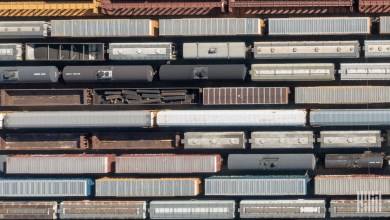
Intermodal leads weekly gains as US rail traffic rises 3.5%, says AAR
Rail freight on U.S. carriers continues to turn in strong results.
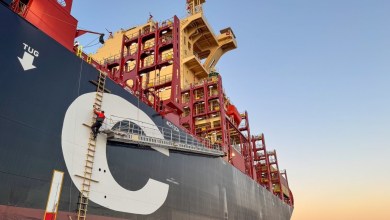
Asia-US container rates hold as carriers seek $3,000 November rate hikes
Container rates remain firm despite cooling demand, as carriers seek price hikes and a potential LA–Long Beach strike adds uncertainty.
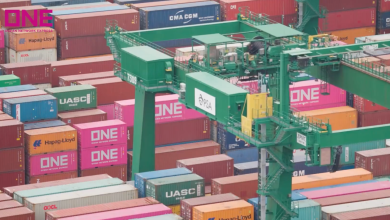
ONE lifts profit forecast to $2 billion as earnings surge
Higher freight rates and cargo volumes drive a sharp earnings rebound for Ocean Network Express, though the liner expects softer market conditions in H2.

New survey finds AI rush isn’t boosting ports earnings
A survey of industry experts finds that even as container ports deploy artificial intelligence, few are seeing measurable financial returns.
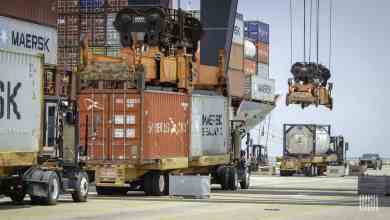
Amazon, retailers paid more for freight in 3Q
Largest retailers cite shipping inflation alongside isolated delays in getting merchandise into inventory.
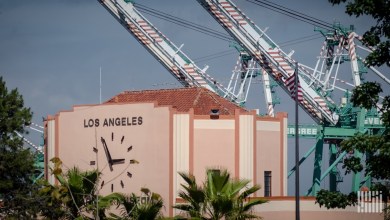
Strike at busiest US port just days away as talks continue
Port employers and union watchmen in Southern California extend contract as negotiations continue.
Ocean line sale expands Europe logistics reach for US shippers
The proposed deal would combine shipping, rail and trucking networks across Europe and West Africa, with implications for American exporters and cold-chain customers.
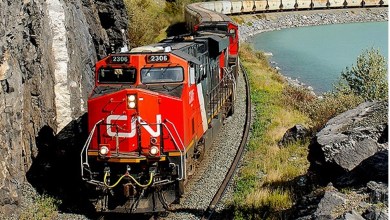
CN 3Q profit rises 6% as freight revenue climbs
Canadian National Railway reported a 6% increase in third-quarter profit as grain, energy and automotive freight activity lifted revenue.
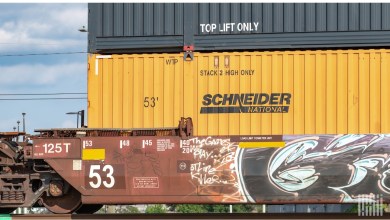
Schneider to shift eastern rail business to Norfolk Southern from CSX
Schneider National will make Norfolk Southern its primary eastern rail provider as the railroad pursues a merger with Union Pacific.
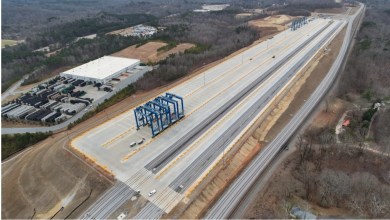
New Georgia hub aims to take 26,000 containers off the road
The state of Georgia officially opens an inland rail hub with plans to take tens of thousands of containers off the roads.
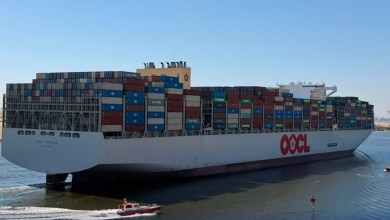
Why container rates are climbing despite cooling demand
Container freight rates climb on major Asia-Europe and trans-Pacific routes despite signs of cooling demand.
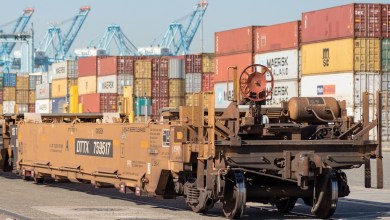
U.S. rail traffic up 7.8% as intermodal leads gainers
U.S. rail traffic rose in the latest week as gains across eight of 10 carload commodity groups showed broad — but uneven — growth.
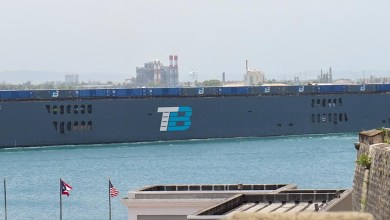
Trailer Bridge appoints new CEO
Leading Jones Act carrier Trailer Bridge has appointed a new CEO.

First look: CPKC earnings
CPKC’s third-quarter revenue and earnings climbed, though higher fuel costs squeezed margins.
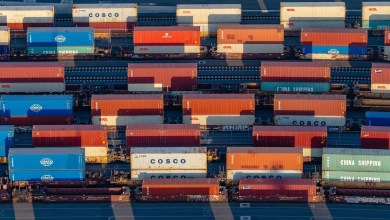
Backlog grows as 35,000 containers await rail service at LA–Long Beach
Nearly 35,700 import containers were waiting for on-dock trains at the ports of Los Angeles and Long Beach, as record cargo volumes, reported railcar shortages slowed inland traffic.
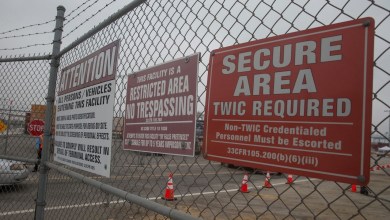
Strike threat by port security workers at Los Angeles–Long Beach
About 250 security workers could walk out Nov. 1, potentially disrupting terminals at the busiest U.S. port complex.
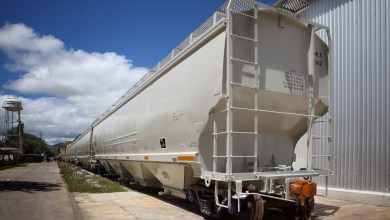
Greenbrier profit falls as railcar demand weighs on sales
Greenbrier’s fiscal fourth-quarter profit tumbled though outlook for orders and leasing growth improved.
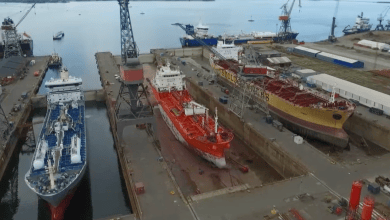
Shipbuilding central to new US-Denmark maritime pact
The United States and Denmark signed a maritime agreement to bolster American shipbuilding through workforce training, Danish investment and technology sharing.
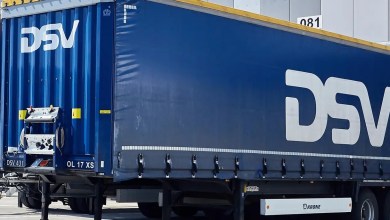
DSV 3Q profit rises 19.5% as Schenker integration lifts earnings
DSV’s third-quarter operating profit improved as the Schenker integration savings boosted earnings, offsetting weakness in its trucking division.
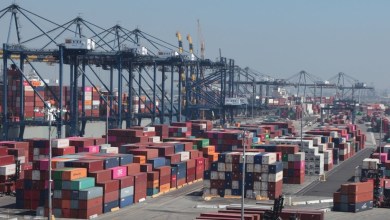
New ‘conundrum’: Asia-US, Europe ocean rates diverge
Container rates on the busiest U.S. trade lanes are signaling a peak while a return to the Red Sea has yet to weaken Europe rates.