




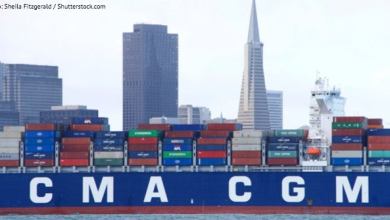
CEVA recommends holdouts sell shares to CMA CGM
Rodolphe Saadé, CEO of CMA CGM, is expected to be elected as chairman of CEVA during annual meeting in April.
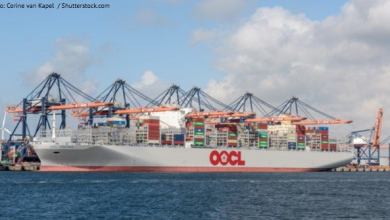
Container carriers parry critics of consortia
A World Shipping Council study outlines benefits of vessel-sharing agreements as European regulators study whether to extend antitrust protections past April 2020.

Drewry foresees more slow steaming and transshipment
Drewry says container carriers may try to mitigate the rising cost of fuel by slowing ship speeds and relying more on feeder ships.
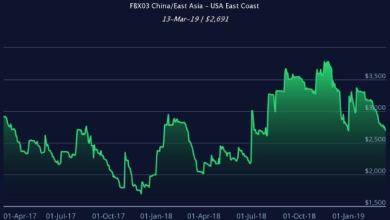
Freightos sees ocean freight rates falling
Rates from Asia to the U.S. East Coast have fallen since the fourth quarter of 2018, and there are “several signs of slowing world trade.”
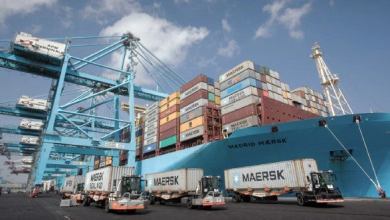
Maersk to charter 13 new feeder ships
The ships will replace older ships and be used in the intra-Asia trade by Sealand, which operates feeder ships for Maersk.

Brexit may be ‘biggest challenge’ in years for U.K. logistics
U.K. Freight Transport Association doubles down on advice to members to plan for a worst-case scenario.
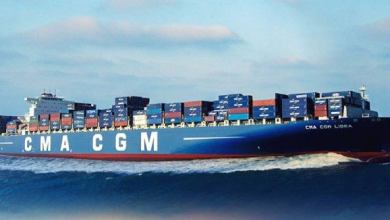
CMA CGM increases CEVA ownership to nearly 89.5 percent
French container carrier increases ownership of Swiss logistics company after monthlong tender offer.

Harkness Capital invests in Kane Is Able
Pennsylvania-headquartered 3PL has grown operations from Atlanta to Southern California and wants to accelerate growth.
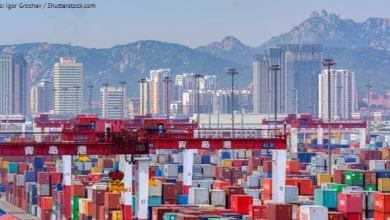
‘China will remain manufacturing’s center of gravity’
Lower labor costs make other countries alluring, but China’s transport infrastructure and container services make it hard to beat.

Matson christens new ship at Philly Shipyard
The Kaimana Hila, the sister ship to the Daniel K. Inouye, is expected to enter service in late April.

Shipper group opposes ballpark at Port of Oakland
The Agriculture Transportation Coalition says replacing marine terminal with ballpark would be a step backward and limit potential export growth.
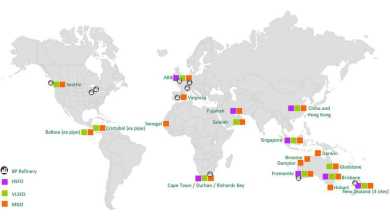
BP will sell new low-sulfur marine fuel
BP Marine says it conducted comprehensive testing of the new fuel that will comply with the IMO regulation that goes into effect next year.

Fitch Ratings believes port growth will moderate
Container volume growth will not outstrip global GDP to the same degree as in the past because many commodities once shipped in bulk already have shifted to containers.

Alibaba buying $693 million chunk of delivery company
E-commerce giant Alibaba says it will deepen collaboration with the parcel delivery company STO Express

Blackstone invests in SSA Marine parent Carrix
Stevedoring company says the investment by Blackstone Infrastructure Partners is “growth oriented.”
Cargotec company Navis acquires Octopi
Purchase will add a cloud-based terminal operating system for small container and mixed cargo terminals.

Concerns aired about long-term effect of tariffs
There are worries that the U.S. may be seen as an unreliable source of commodities such as soybeans.
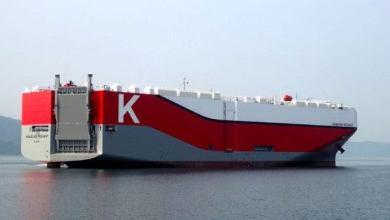
“K” Line increases loss estimate for 2018-19 fiscal year
Company plans to improve profits by canceling uneconomical charters and “reducing market-exposed fleets.”

Container shipping has good opportunities, says analyst
Lars Jensen says while individual carriers and freight forwarders may be under threat, the industry is not.
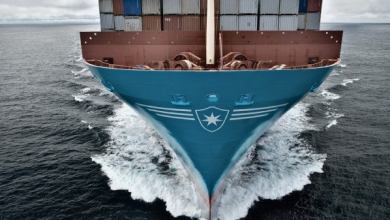
Maersk and Hapag-Lloyd will reject ‘all-in contracts’
While the companies agree on how to tackle the low-sulfur fuel mandate, they are pursuing very different corporate strategies.