




Todd Maiden
Thursday, August 18, 2022
J.B. Hunt defends intermodal growth story
Management from J.B. Hunt Transport Services doubles down on long-term growth initiatives in its intermodal unit.
Railroads continue to play a significant role in North America’s economic infrastructure. According to the U.S. Department of Transportation Federal Railroad Administration, the U.S. rail freight network covers almost 140,000 route miles and is generally considered the largest, safest, and most cost-efficient freight system in the world. In addition, says the FRA, the almost $80 billion rail freight industry creates more than 167,000 jobs across the country.
In essence, rail freight companies charge businesses to carry cargo across their network of rails. Their rates are overseen by the Surface Transportation Board, a federal agency that regulates financial aspects of surface transportation. Major railroads in North America include Union Pacific Railroad, BNSF Railway, CSX, Norfolk Southern, Canadian Pacific Kansas City and Canadian National Railway.
Keep up with the latest news, trends and reports concerning rail freight transport here!
Management from J.B. Hunt Transport Services doubles down on long-term growth initiatives in its intermodal unit.
The presidential emergency board is charged with examining the sticking points in the stalled contract negotiations between U.S. freight railroads and their unions.

Canadian Pacific has won clearance from U.S. regulators for its KCS acquisition and has reached a labor agreement with union leaders for train and engine employees.
Inland port projects and rail cargo handling facilities are among the projects awarded grants through the Department of Transportation’s RAISE program.
Precision scheduled railroading again took center stage during a roundtable concerning rail service.

The two eastern U.S. Class I railroads say they’re well on their way to meeting greenhouse gas emissions reduction goals.

Transport Canada is considering making the data collection of rail service metrics permanent — a move the Forest Products Association of Canada supports.

Recent filings to the board from various parties focus on wo bears the burden to show if or how Amtrak service between Mobile, Alabama, and New Orleans would affect freight operations.
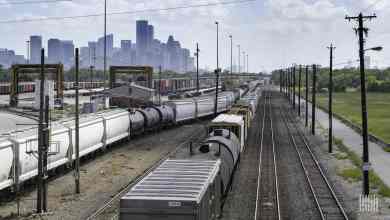
Despite economic headwinds, the rail car manufacturing market will find support in the second half of 2022 amid tight rail car supply and improving rail service metrics, FreightCar America executives said on an earnings call.

Georgia Ports Authority kicks off the start of its new fiscal year with volumes at over a half million TEUs.

Florida-based Patriot Rail plans to acquire Denver-based Pioneer Lines. Both companies operate short-line railroads in multiple states.
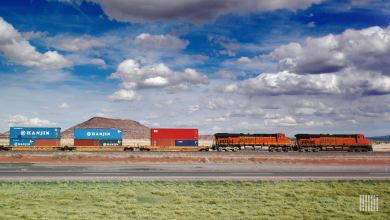
Despite lower volumes in BNSF’s consumer, agricultural, industrial and coal segments, the railroad’s freight revenue rose to nearly $6.3 billion on higher revenues per carload.
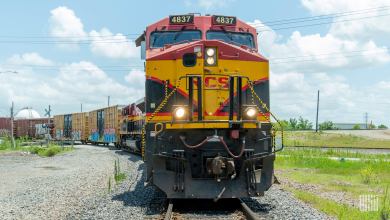
The Surface Transportation Board’s Office of Environmental Analysis studied the potential environmental impacts resulting from a merger between Canadian Pacific and Kansas City Southern.
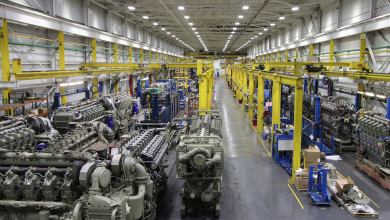
Improvements in rail service and “unparking” locomotives are market signals that could bode well for Wabtec in the back half of this year.

Jobs in the truck transportation sector have risen every month post-pandemic except one, but the pace of growth is slowing.
Even though macroeconomic uncertainties lie ahead, Hub Group expects to find support in the medium term through improving rail service, market conditions that encourage more conversions to rail and the diversification of its business, executives said on Wednesday’s earnings call.

A Democrat-backed bill in the U.S. House of Representatives addresses rail service concerns raised during recent hearings by the House transportation committee.

FreightWaves chats with international trade attorney Ashley Craig about what the troubles in labor talks for both rail and maritime mean for the broader supply chain.

CN and Canadian Pacific say they’re ready for an anticipated grain volume rebound in the new crop year that runs from Aug. 1 to July 31.

While headcount for train and engine employees is up for the first six months of 2022 compared with the same period in 2021, the freight rail headcount across all categories hasn’t risen.