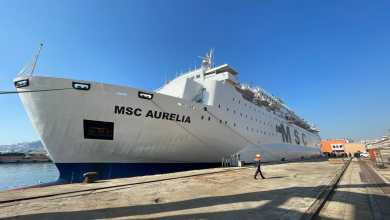
Port of Halifax enjoyed banner year in 2022
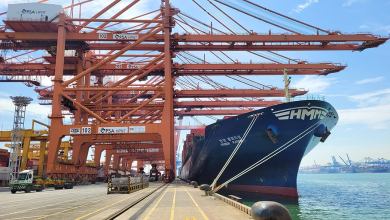
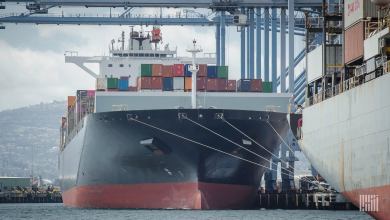
Annual volumes at the Nova Scotia port exceeded 600,000 twenty-foot equivalent units for the first time in its history.
RoadOne IntermodaLogistics has acquired The Transporter Inc., an intermodal service provider with facilities in Houston, Dallas and Laredo, Texas.
2023 was a banner year for the Port of Virginia, with annual volumes higher year over year as more traffic went to East Coast ports.
“It was a challenging year, but collaborative effort across Georgia’s supply chain ensured cargo movement remained fluid,” Executive Director Griff Lynch said.
NASA hauls the longest heavy cargo delivery; Reefers run food to the Bahamas; Submarine cables connect the Virgin Islands.
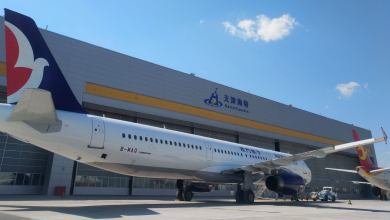
Two Chinese logistics companies have started their own airlines and now have expanded their routes within China, and internationally.
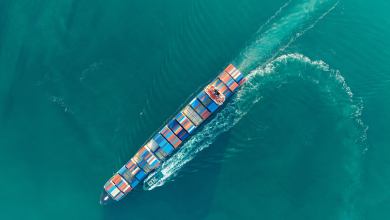
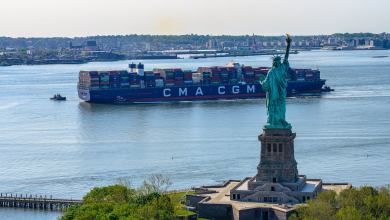
The biggest container ships sailing on the oceans can carry more than 24,000 TEUs and are as tall as the Empire State Building.
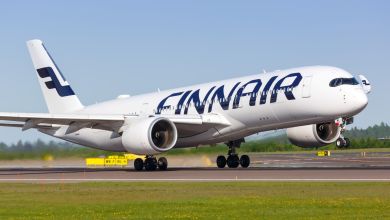
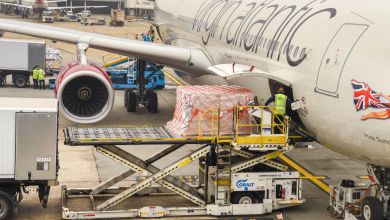
Delta Air Lines carried more than $1 billion in cargo below passengers’ feet last year, setting a company record.
1971: Londoners are able to buy American melons for the first time after test shipments to the U.K. proved successful.
A year ago, shippers were in scrums to find cargo space on airlines. The market has softened considerably and 2023 could see more declines before things get better.
Legislation aimed at “fixing the supply chain” would allow drivers under age 21 to haul freight to and from ports.
Swissport, a large cargo handler at Chicago O’Hare airport, has finally complied with the city’s requirement for a labor peace agreement, ensuring uninterrupted cargo flow.
Influential logistics provider Flexport says it will reduce its staff by 20% in the face of a looming global recession.
A first-ever strategy aimed specifically at decarbonizing transportation encourages maritime and rail over highway freight.
Imports continue to decline and are close to where they were before COVID-19, but the coastal mix is very different.
We take a look back at the state-of-the-art technology that streamlined trucking in 1961.
Trade has been proven time and time again to blow away the bluster of political rhetoric. China’s sleight of hand with its COVID reporting has the WHO accusing China of “under-representing” the severity of cases, and the flow of trade can back up the WHO’s statement.
A private investment group is rolling up large chunks of land at smaller airports to develop air cargo facilities.
Sanctions on Russian crude exports have yet to boost tanker rates. Some question whether sanctions on Russian diesel will either.
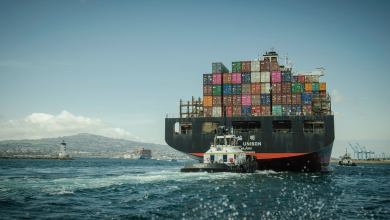
Remaining queues of waiting ships are dwindling, another sign that supply chain pressure is winding down.