




Mark Solomon
Tuesday, June 1, 2021
Amazon opens first disaster-relief logistics hub
Amazon will store and pre-position supplies for quick release in the event of natural disasters.
Modern Shipper covers the gig economy, including same-day, on-demand, and last-mile delivery jobs and services. Readers will find current news on gig economy companies, gig economy workers, gig economy data and trends. In addition, Modern Shipper focuses on e-commerce, e-commerce platforms and companies, and e-commerce services and technologies.
Amazon will store and pre-position supplies for quick release in the event of natural disasters.

The digital freight platform has a big market share in China, is growing its revenue but remains unprofitable.

CtW Investment Group is asking DoorDash shareholders to vote against the reelection of co-founder Tony Xu to the board of directors, saying more oversight is needed.
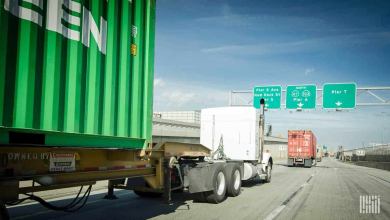
The injunction blocking AB 5 is still in place for now.
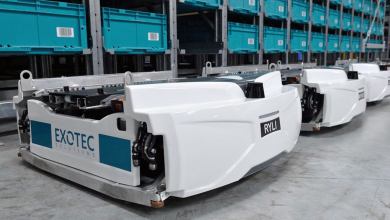
Warehouse robotics firm Exotec announced footwear retailer Ariat and the world’s largest sporting goods retailer Decathlon will deploy its Skypod warehouse robotics system.

Wood is a problem and plastic is expensive; it’s just one more pressure point to worry about in the supply chain.
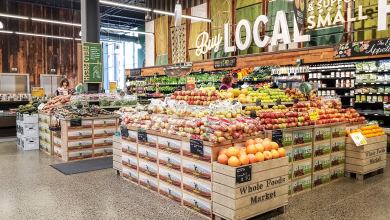
It seems that centralized buying and local product discovery are polar opposites. How can Whole Foods centralize buying and get better at the local level?
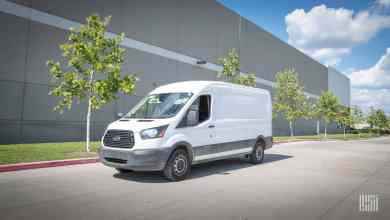
A white paper by TIA and CLDA stresses the need to differentiate from Amazon to succeed in final-mile delivery.
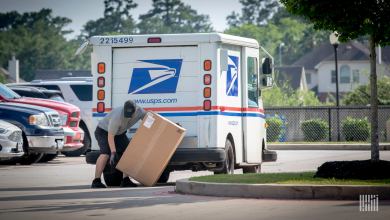
E-commerce logistics company ShipBob is now able to fulfill two-day shipping for sellers using the Walmart Marketplace.

In an investment note this week, Mizuho Securities USA indicated it believes the Biden administration is more likely to issue guidance on gig worker classification rather than a formal rule.
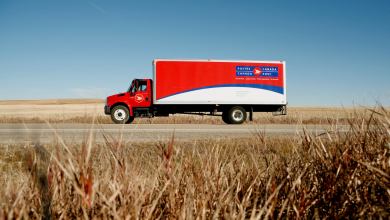
Canada Post says a cyberattack and data breach at an EDI supplier impacted 44 of its major parcel shippers and nearly 1 million of its customers.
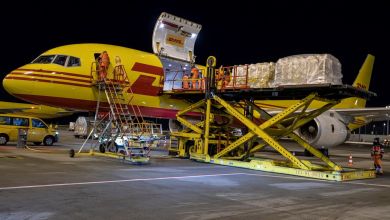
Big integrated parcel carriers are constantly adding aircraft to their fleet, but that expansion is going even faster to keep up with e-commerce. DHL Express is even starting an airline in Austria to keep up.

Uber is reportedly close to a deal with GMB, a U.K.-based labor union, to provide representation for rideshare drivers as it works to comply with a recent U.K. Supreme Court decision saying drivers were entitled to minimum wage.

A survey from SOTI has found transportation and logistics companies trying to keep up with the e-commerce demand continue to face technology integration issues, costing them several days per month per employee in productivity.
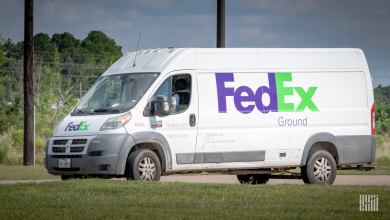
FedEx is raising the fees on U.S. residential deliveries, its Ground Economy service and on packages requiring “additional handling.”

The FAA has approved a request from Flytrex to expand its drone delivery pilot program in North Carolina to include delivery to customers’ yards.
CEO Kushal Nahata says FarEye brings cost savings to its customers but also improves the workflow and overall experience of their employees.

As more brands roll out next-day and same-day grocery delivery, the long-term profitability of these programs depends on innovation that can drive down cost and increase flexibility.

Skycart, a San Francisco-area drone startup, announced its Nimbus drone is capable of making four separate deliveries on a single flight.

Even as brands turn to more digital tools to engage with customers, many are finding success with a more traditional item — catalogs.