Reefer capacity begins to tighten; could van follow?
Reefer capacity has started to show early signs of tightening after experiencing the loosest conditions in years in April. Will van capacity follow suit?
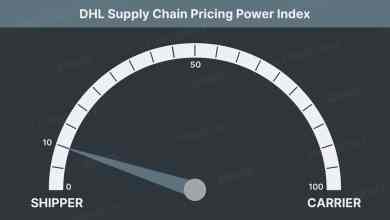
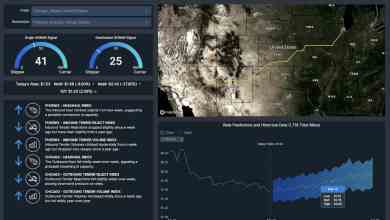
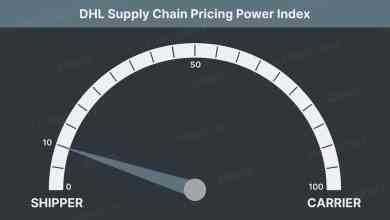
National volumes and tender rejections have been roughly flat for the past week. There is no change in the DHL Supply Chain Pricing Power Index this week. Shippers remain in dominant pricing power position.
FreightWaves CEO Craig Fuller introduced three new products at FreightWaves LIVE @HOME – Lane Signal, SONAR Signals and Mission Control.
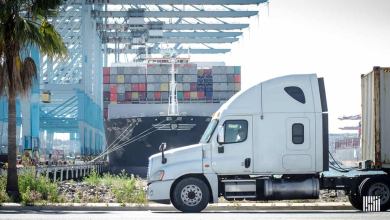
Chinese imports have fully recovered. Does this mean the domestic trucking market will see a similar outcome?
Zach and Anthony review some of the latest company earnings and a major economic releases which have yet to reveal the full story of the COVID-19 impact on the freight economy.
The DHL Supply Chain Pricing Power Index fell another 5 points this week to its lowest total in series history. Volumes are beginning to come back to life, but capacity remains historically loose and spot rates are extremely low.
Many expected a worse outcome for carriers in March as a result of the COVID-19 outbreak. Ironically, the pandemic may have padded some 1Q results.
The shippers are in the strongest pricing power position in the DHL Supply Chain Pricing Power Index history, but for all the wrong reasons. Volumes are stable, but well below normal levels, and tender rejections are at the lowest level in the index’s 3-year history.
Anthony and Zach break down the Knight-Swift and Heartland earnings; slowing decline of freight rates and volumes and what the rise in imports mean for the recovery.
Carriers are getting more notice to pick up loads. Is this a result of Amazon relaxing their service expectations?
Pricing power shifts towards the shippers in a major way this week. Contract freight volumes are now at Labor Day 2019 levels and are poised to go lower. Rejection rates are encroaching on a rare 4% mark, and spot rates are in the bin.
Anthony and Zach discuss what to make of the first major U.S. carrier to report earnings during the COVID-19 outbreak along with the recent Cass, industrial production and retail releases.
The FreightWaves SONAR platform is adding an API upgrade allowing subscribers to digest rates directly into their own unique workflows.
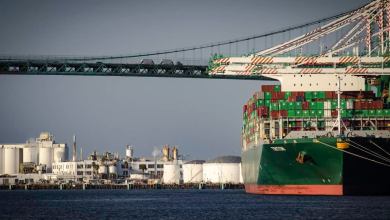
The maritime shipping companies have been able to increase their rates amidst the COVID-19 induced shut down. Is this a sign of things to come for domestic carriers?
Anthony and Zach have special guests Former Flex CEO and current strategic adviser to Clear A.I. Mike McNamara and FreightWaves Chief Strategy Officer JT Engstrom on to discuss coronavirus’ impact on various pieces of global supply chains and give an update on how the economy and freight market are reacting domestically.
Carriers give back pricing power as volumes and rejections rates plummet. Spot rates are negative week-over-week for 95% of lanes from Truckstop.com.
FreightWaves SONAR has new features to help subscribers gain more insight and clarity during the COVID-19 pandemic.
Truckstop.com, the leading Platform-as-a-Service provider for the trucking industry and FreightWaves, the leading provider of trucking news and analytics, are partnering to provide resources to transportation providers responding to relief projects and supply chain distributions.
Even as freight volumes surged to record levels in March, drivers spent less time driving.
Anthony and Zach discuss the swelling unemployment numbers as well as the plummeting freight volumes and what the endgame might look like for the COVID-19 outbreak.