




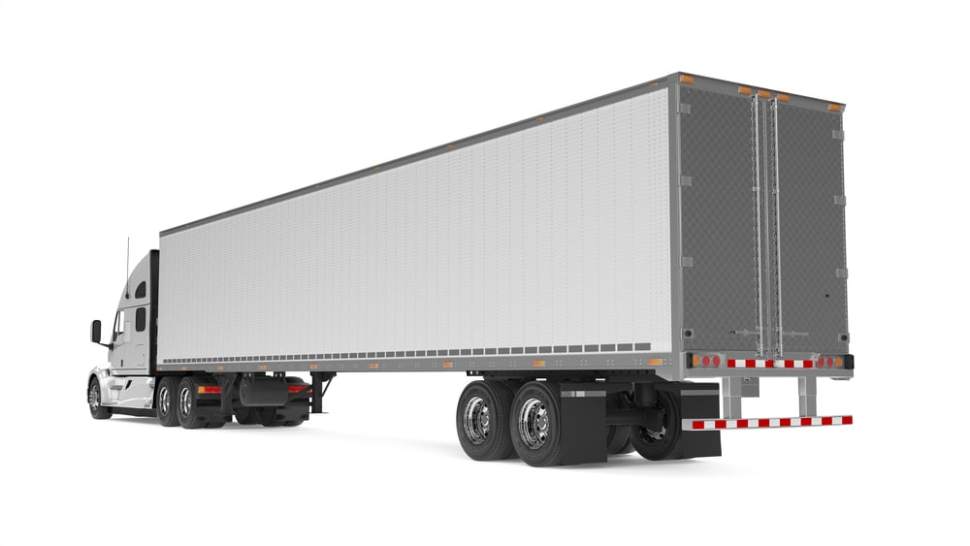
A seasonal adjustment to trailer orders in April is doing nothing to dampen the optimism fleets continue to feel, according to the latest data released by ACT Research and FTR.
FTR reported preliminary April trailer orders of 22,000 units, a 20% decline from March in line with seasonality. That number was still up 10% year-over-year and is 21% higher than April 2015.
“Most fleets have their orders placed for 2018 and some dry van OEMs are booked solid for the year,” explained Don Ake, FTR vice president of commercial vehicles. “Component shortages are increasing and may prevent all the orders in the backlog from being built this year. However, there is still capacity available for refrigerated van and vocational trailer orders, and the chugging economy should continue providing increased sales of all trailer types.”
ACT Research reported similar numbers. According to ACT, preliminary net orders were 23,100 units.
“April was the 17th consecutive month of year-over-year gains for net orders, an indication of strong fleet confidence in current business conditions, as well as a positive outlook as we move through the rest of this year. Solid freight rates and tight capacity continue to support fleet investment plans,” said Frank Maly, ACT’s Director of CV Transportation Analysis and Research.
According to ACT, net orders were down 23% from March, but again, this was expected.
“A decline is expected as we exit the industry’s normal October through March order season,” Maly pointed out. “A review of the latest order season shows almost 224,000 orders were booked, up nearly 30% from a year ago.”
FTR’s Ake said backlogs will start to diminish, and the April orders still represent a strong month for trailers.
“It is higher than 2015 and signals the market will stay red-hot for a while. Some orders are already rolling into 2019,” Ake added. “Solid freight growth and high trailer capacity utilization rates mean more trailers are needed to help relieve this capacity crunch and compensate for driver shortages.”
The continued strength in orders has increased the backlog, and as FTR noted, component suppliers are starting to fill the effects. That could create delivery delays for those currently ordering trailers.
“While heavily influenced by dry vans and reefers, the industry’s average backlog now extends deep into the fourth quarter. Depending on the OE and the trailer category, a fleet placing an order now may well receive a 2019 delivery date,” noted Maly.
Stay up-to-date with the latest commentary and insights on FreightTech and the impact to the markets by subscribing.
Brokerage Compliance Symposium
The day before F3. Every compliance issue you face - fraud exposure, carrier liability, FMCSA rules, cargo theft, insurance gaps - navigated by attorneys and operators defining best practices in a changing industry.
F3 Awards Dinner
The night before F3. FreightTech100 companies honored. FreightTech 25 and Shipper of Choice winners revealed live. Cocktail reception into dinner and live music - 300 industry leaders in one purpose-built room.
F3: Future of Freight Festival
Industry-defining keynotes, rapid-fire technology demos, and industry leaders networking in experiences across Chattanooga - plus the inaugural F3 Awards Dinner featuring the FreightTech and Shipper of Choice reveals.
The day before F3. Every compliance issue you face - fraud exposure, carrier liability, FMCSA rules, cargo theft, insurance gaps - navigated by attorneys and operators defining best practices in a changing industry.
The Signal at Chattanooga Choo Choo • Chattanooga, TN Register NowThe night before F3. FreightTech100 companies honored. FreightTech 25 and Shipper of Choice winners revealed live. Cocktail reception into dinner and live music - 300 industry leaders in one purpose-built room.
The Signal at Chattanooga Choo Choo • Chattanooga, TN Register NowIndustry-defining keynotes, rapid-fire technology demos, and industry leaders networking in experiences across Chattanooga - plus the inaugural F3 Awards Dinner featuring the FreightTech and Shipper of Choice reveals.
The Signal at Chattanooga Choo Choo • Chattanooga, TN Register Now