




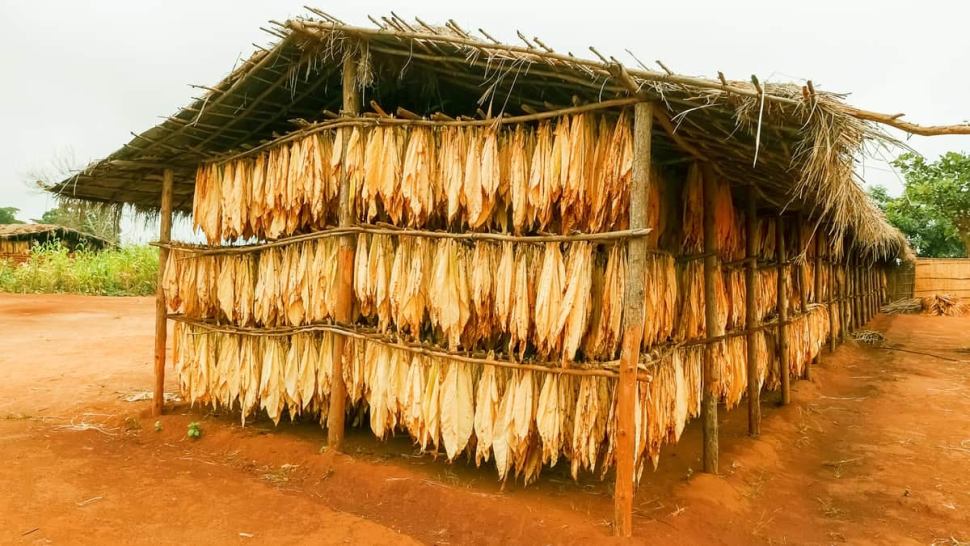
U.S. Customs and Border Protection (CBP) placed an immediate hold on all tobacco imports from Malawi after evidence surfaced that producers are using forced labor, including by children, to grow and harvest the crop, the agency announced.
The agency said the order only detains Malawi tobacco imports at U.S. ports of entry. It is not a ban.
CBP regulations allow importers of products containing Malawi tobacco to either re-export the detained shipments or submit additional information demonstrating that the goods do not violate U.S. labor laws.
U.S. prohibitions against the use of forced labor in traded goods dates to the 1930 Tariff Act. The passage of the 2015 Trade Facilitation and Trade Enforcement Act widened CBP’s ability to investigate and prohibit goods manufactured with forced labor from entering the U.S.
“CBP wants to ensure the business community is compliant with the law requiring clean supply chains with no use of forced labor of any kind,” said Brenda Smith, CBP’s executive assistant commissioner of the Office of Trade, in a statement.
The U.S. import hold on Malawi tobacco follows five other foreign product holds related to forced labor, which were announced by the agency Oct. 1, including apparel from Hetian Taida Apparel Co., Ltd. in Xinjiang, China, and rubber gloves from WRP Asia Pacific Sdn. Bhd. Malaysia. Other U.S. forced labor import holds include gold from mines in the eastern Democratic Republic of the Congo, rough diamonds from Zimbabwe’s Marange diamond fields, and bone black from Bonechar Carvão Ativado Do Brasil Ltda in Brazil.
F3: Future of Freight Festival
Industry-defining keynotes, rapid-fire technology demos, and industry leaders networking in experiences across Chattanooga - plus the inaugural F3 Awards Dinner featuring the FreightTech and Shipper of Choice reveals.
Industry-defining keynotes, rapid-fire technology demos, and industry leaders networking in experiences across Chattanooga - plus the inaugural F3 Awards Dinner featuring the FreightTech and Shipper of Choice reveals.
The Signal at Chattanooga Choo Choo • Chattanooga, TN Register Now