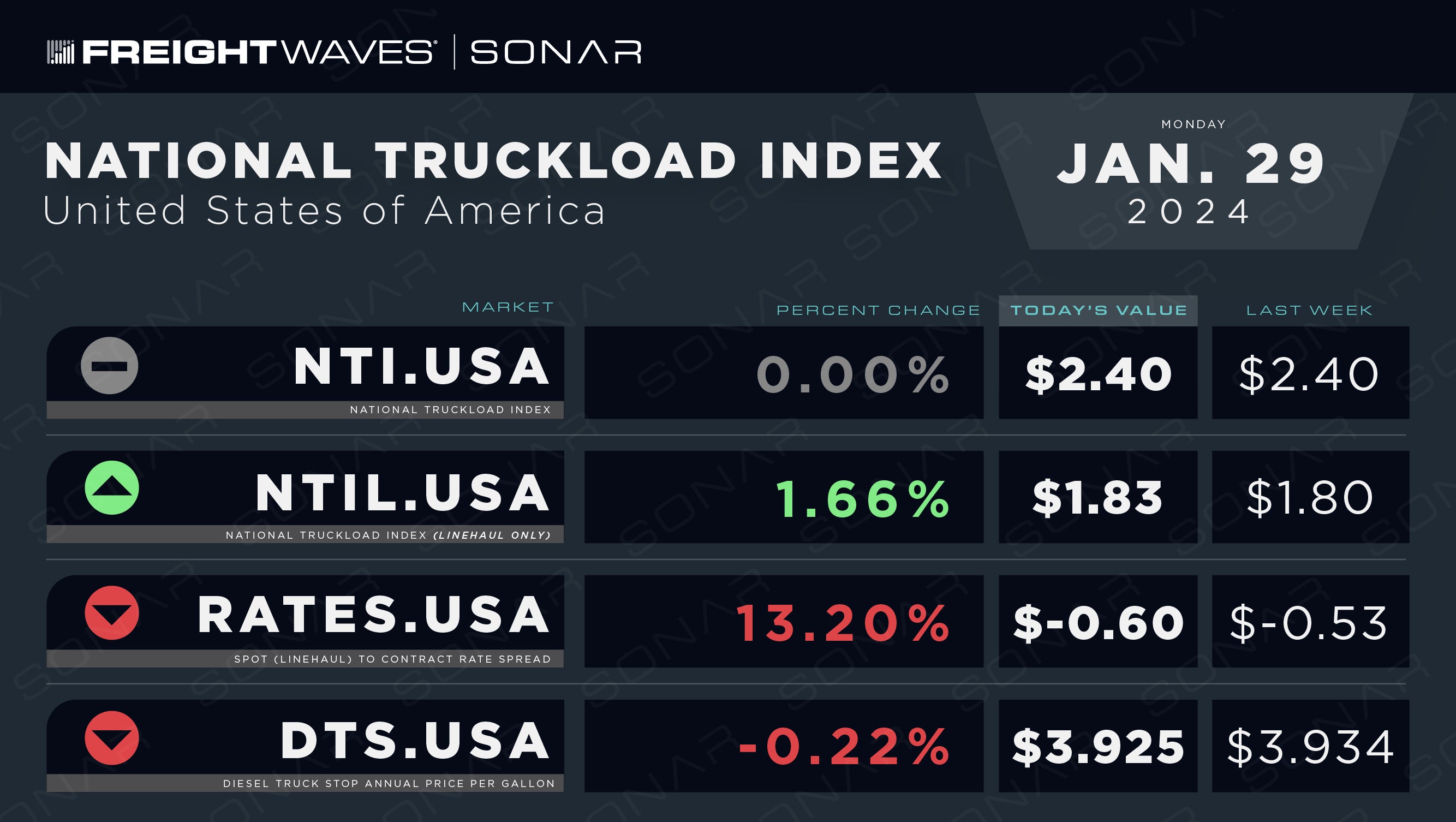
Daily Infographic: Google’s Wing introduces new delivery drone with double the payload

After weeks of consistent declines, and an overall steady drop through much of 2023, the benchmark diesel price used for most fuel surcharges has hit something of a trading range.
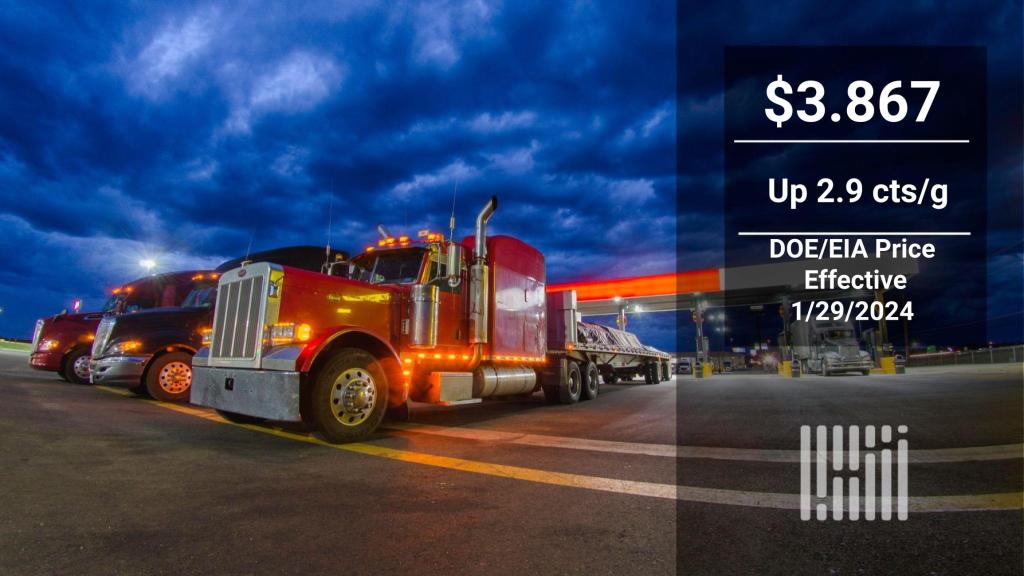
The latest average weekly retail diesel price published by the Department of Energy/Energy Information Administration was up 2.9 cents a gallon to $3.867. That marks the third time in the past six weeks that the price was up.
In the 13 weeks prior to that, the price fell 11 times.
The end result of the latest up-and-down is that in the past six weeks, there has been an overall decline of 4.7 cents a gallon. More broadly, since the Sept. 18 price of $4.633 a gallon, a recent high-water date, the price is down 76.6 cents.
The calm in the market comes against a continued backdrop of international tensions that conventional wisdom might otherwise lead one to conclude that global oil markets were set to surge on the latest escalation of violence: the deaths of three U.S. service personnel in an attack in Jordan tied to Iran-based militias.
But oil markets barely budged Monday and by the end of the day had declined, with ever-present discussion of weak Chinese demand negating any upward move by what happened in Jordan.
Brent, the world’s crude benchmark, dropped $1.38 a barrel to $82.40 on Monday. Ultra low sulfur diesel on the CME commodity exchange followed suit to a lesser degree, declining 0.95 cents to $2.8399 a gallon. That decline of 0.33% was less than the Brent drop of 1.3%.
However, although trading on the day after the soldiers’ deaths may have been muted, it wasn’t quiet at the end of last week, reacting much as might be expected as the threat of a wider war grows.
While Monday’s drop might have been considered surprising, it came after two days of significant upward movement based not on any specific development but a market that seemed to react all at once to what was going on in the Red Sea and the Suez Canal.
ULSD rose in two trading days to a Friday settlement of $2.8434 a gallon from a settlement Wednesday of $2.6818, an increase of 16.16 cents.
There was a suggestion in the market last week that after weeks of declines, the Thursday and Friday surge was related more to trader short covering than any sudden concern about supplies created by Middle East tensions.
In an interview on CNBC Monday, Helima Croft, global head of commodity strategy at RBC Capital Markets, described the lack of upward movement on the weekend news as “very much a muted response, with people trying to weigh the economic news out of China.” (On Monday, a Hong Kong court ordered the liquidation of Chinese real estate development company Evergrande.)
“I think there’s a corner of this market that believes that this is not going to escalate to Iran,” Croft said, discussing possible retaliation by the U.S. “But again, we are getting closer and closer to a wider war.”
Croft contrasted the impact on shipping with diversions away from the Red Sea and Suez Canal — where ships can avoid that increasingly dangerous area by going around southern Africa — with tanker traffic out of the Strait of Hormuz at the mouth of the Persian Gulf. Military action in the Strait of Hormuz, including a possible closure, has always been seen as the doomsday scenario for oil markets.
“I would just point out the fact that while you can divert ships away from the Red Sea, if this were to spread to the Straits of Hormuz, there is not an easy way to divert ships out of that important choke point,” Croft said.
More articles by John Kingston
From pandemic chaos to AI, supply chain panelists have seen it all lately
Supreme Court rejects review in broker liability case, leaving the issue unresolved
Love’s: Restraint in new travel centers/truck parking in ’24, but larger growth plans
The Red Sea crisis — and the Middle East situation in general — is worsening. There’s growing conviction that shipping diversions around the Cape of Good Hope will increase in scope and last much longer than initially expected. That should be good news for shipping stocks over time, due to durably longer voyage distances.
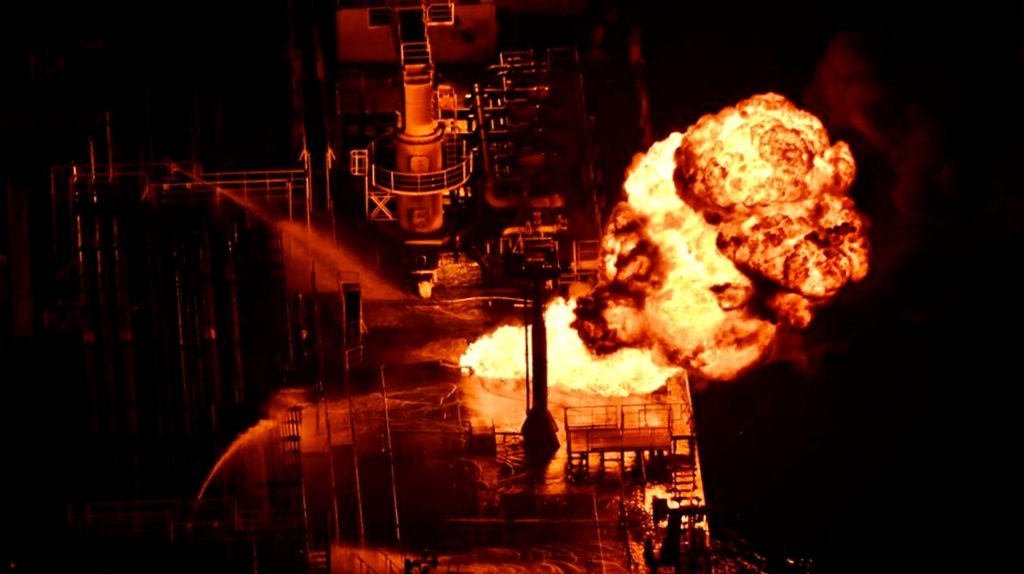
The Houthis hit the JP Morgan-owned product tanker Marlin Luanda with a ballistic missile on Friday, setting a cargo tank on fire. The tanker was chartered by trading house Trafigura and loaded with Russian naphtha. The fire was extinguished on Saturday, with all crew safe.
On Sunday, a drone attack by an Iranian-backed militia killed three U.S. service members and injured at least 40 more at a U.S. military site in Jordan. The Biden administration has vowed to respond, raising the specter of a wider Middle East conflict.
“Red Sea diversions are on the rise as continued attacks on vessels in the region are prompting more shipping companies to avoid transiting the area,” said Jefferies shipping analyst Omar Nokta in a client note on Monday.
The vast majority of larger container ships already avoid the Red Sea, and detours are rapidly spreading to bulk commodity shipping.
Citing data from Clarksons, Nokta said that crude tanker transits of the region are now down 22% versus their 2023 average; at the beginning of this year, they were down 5% from last year’s average. Product tanker transits are down 51% versus 2023, after being down 29% versus last year’s average at the beginning of the year, with liquefied natural gas carrier transits down 87% (from 36%) and liquefied petroleum gas carrier transits down 62% (from 23%).
Nokta significantly upgraded his view on Israeli container liner operator Zim (NYSE: ZIM), maintaining that “the script has flipped” and Houthi attacks turned Zim’s business “from cash burn to cash machine.”
Nokta had previously estimated that Zim would post adjusted net losses of $260.1 million this year and $506.3 million next year.
His new forecast is drastically different. He projects adjusted net income of $751 million this year, followed by losses of $337 million next year.
“Red Sea diversions are likely to continue for an extended period, tightening capacity for longer,” he said.
Zim’s stock closed up 7.5% on Monday, on a day when most shipping equities ended in the red.
According to Evercore ISI shipping analyst Jonathan Chappell, “The adage is that one should stock up on canned beans in times of war. We clearly do not make light of these tragedies, but tanker equities should also be added to the list.”
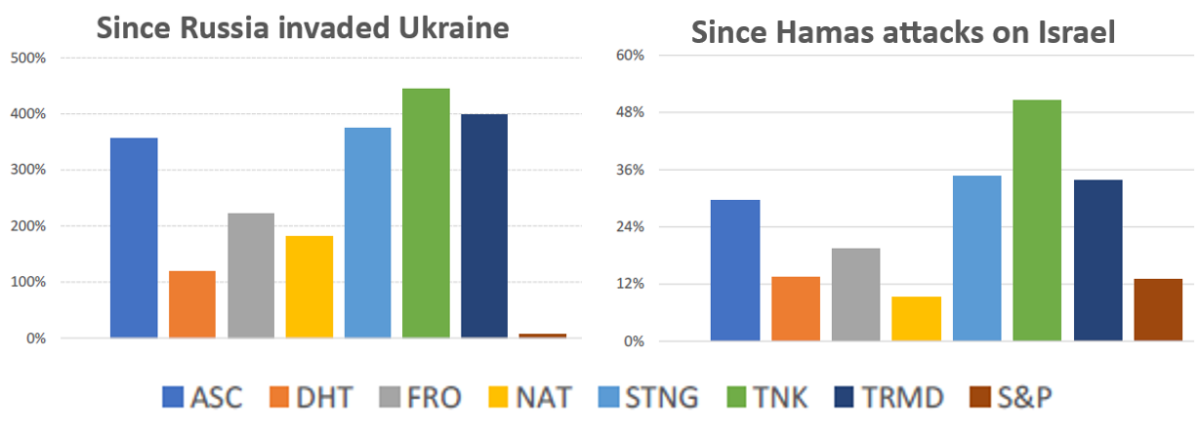
Chappell noted that in periods of geopolitical risk, shipping stocks provide material beta (a measure of volatility versus the broader market). He presented data on outsized tanker stock gains versus the S&P 500 since the invasion of Ukraine and the Hamas attacks on Israel.
Deutsche Bank analysts Amit Mehrotra and Chris Robertson wrote: “We believe the recent attacks will result in even more ship owners and operators diverting vessels from the area, which could put further upward pressure on spot rates in the coming week.”
“We believe the companies with exposure to the mid-sized crude and product tanker segments will benefit the most from the disruptions,” they said, pointing to Frontline (NYSE: FRO), International Seaways (NYSE: INSW) and Scorpio Tankers (NYSE: STNG).
Click for more articles by Greg Miller
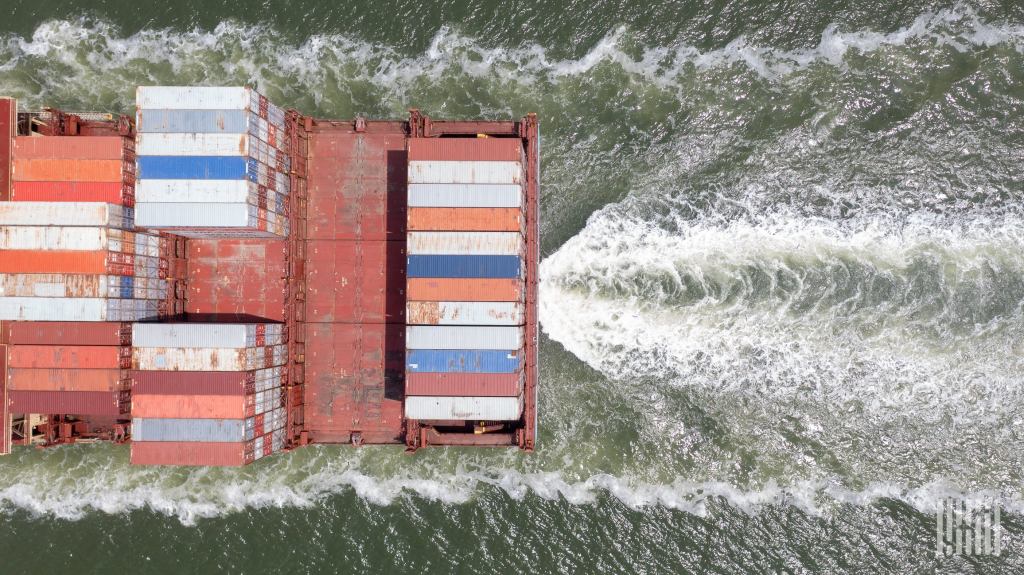
During 2023, cargo volumes moving through Port Houston’s two container terminals were down 4% year over year (y/y) compared to 2022, with a total of 3.8 million twenty-foot equivalent units handled during the year.
Total steel tonnage (imports and exports) was down 14% y/y in 2023 at 4.4 million tons.
Officials attributed the y/y decrease in 2023 to a large drop in empty container volumes, which registered an 18% y/y decline at 649,057 TEUs.
“As we begin 2024 our eye is on making continued strategic investments to facilitate larger vessels and more of our region’s cargo,” Roger Guenther, executive director at Port Houston, said in a news release. “We are adding important landside capacity at our two container terminals and making good progress on the Houston Ship Channel Expansion (Project 11).”
Port Houston ended 2023 on a high note, with cargo volume in December up 11% y/y at 325,020 TEUs.
Loaded imports and exports were both up 11% y/y in December, totaling 150,648 TEUs and 119,970 TEUs, respectively.
Imports of steel declined 27% y/y in December to 336,773 tons, while exports of steel were up 324% y/y, from 548 tons to 2,323 tons.
General imports increased 13% y/y in December at 492,365 tons, while container exports jumped 190% to 955,668 tons.
Empty container exports fell 5% y/y in December to 39,588 TEUs, while imports of empty containers rose 104% y/y to 14,814 TEUs.
Total revenue tonnage increased 87% y/y to 4.8 million tons in December.
Ship calls for December were up 7% y/y to 700 vessels. Barges calling Port Houston increased 66% y/y to 296.
Boosted by shipments of coffee, chemicals and plastic resins, the Port of New Orleans saw a 12% y/y rise in container volumes at 481,593 TEUs during 2023.
“We had 20,016 container moves by barge during the calendar year 2023, a 15% [y/y] increase,” port spokeswoman Kimberly Curth told FreightWaves. “It’s the highest year ever since 2016 when the service started.”
The Port of New Orleans also had a total of 406 vessel calls in 2023, which represents a 22% y/y increase.
For the month of December, the port handled 37,539 TEUs, a 17% y/y increase. The port also handled 82,186 tons of breakbulk cargo, a 29% y/y increase. Top breakbulk items during the month included steel, natural rubber and lumber.
The port handled 8,729 Class I rail car switches in December.
The Port of Corpus Christi saw an 8% y/y increase in total cargo to 203 million tons in 2023.
Exports of crude oil led the way in 2023, followed by shipments of petroleum and dry bulk goods.
The port handled 126 million tons of crude oil during the year, a 12% increase compared to 2022. Exports of crude oil for 2023 topped 117 million tons, a 14% increase over 2022.
Total shipments of petroleum were at 62 million tons during 2023, a 1% y/y increase, led by exports at 48.9 million tons, a 1.2% increase compared to 2022.
The Port of Corpus Christi handled 8 million tons of dry bulk goods last year, a 1% decrease compared to 2022.
For December, the port handled 19.1 million tons of cargo, a 14% y/y increase compared to the same month in 2022.
Crude oil exports in December totaled 11.2 million tons, an 11% increase from 2022. Exports of petroleum were 5.6 million tons for December, a 10% y/y increase.
The port had 8,114 ship and barge calls in 2023, a 5% y/y increase from 2022. For December, Corpus Christi handled 714 vessels, a 6% y/y increase.
Nearshoring forecast to boost US-Mexico trade in 2024
Mexico aims to compete with Panama Canal by using cargo trains
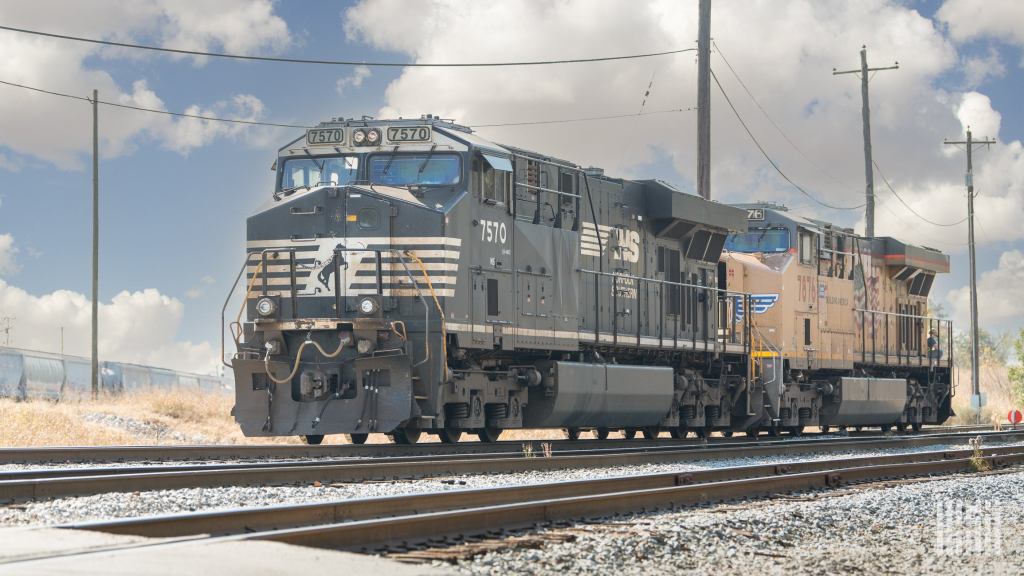
Norfolk Southern is so far the only Class I railroad to join a Federal Railroad Administration safety program as the first anniversary of the derailment of an NS train in East Palestine, Ohio, looms.
The Confidential Close Call Reporting System (C3RS) encourages employees to report any “close call” incidents without fear of disciplinary action from NS (NYSE: NSC). The goal is to foster an environment where workers do not fear for their jobs for reporting facts after an unsafe event occurs.
In addition to the FRA, the Brotherhood of Locomotive Engineers and Trainmen (BLET) and the International Association of Sheet Metal, Air, Rail and Transportation Workers-Transportation Division (SMART-TD) participate in the program. They are unions that represent a portion of NS employees. NS’ participation in C3RS will be considered a pilot program for one year, allowing almost 1,000 workers to confidentially report possible issues or incidents. The goal is to allow more research to be conducted to better understand railroad safety and prevent incidents like East Palestine.
The Feb. 3, 2023, derailment released hazardous material, creating environmental issues and leading to a major evacuation. NS went through investigations and hearings questioning the railroad company’s maintenance practices.
Now, NS President and CEO Alan H. Shaw says the company is “committed to setting the gold standard for rail safety.”
After the derailment, Transportation Secretary Pete Buttigieg called on rail companies to join the C3RS program to help prevent disasters like this. The FRA notes that every Class I railroad agreed to join but only NS has actually done so.
NS’ official participation took months of meetings, led by the FRA, with employee representatives. Buttigieg celebrated the railroad’s decision in a statement.
FRA Administrator Amit Bose emphasized that it will soon be one year since the Class I railroads said they would join, making the fact that NS is the only Class I to actually join more significant.
“We are greatly encouraged by Norfolk Southern Railway’s decision to enter the program with some of their employees represented by BLET and SMART-TD,” Bose said in a press statement. “However, it’s been nearly a year and no other Class I freight railroads have made good on their promise to join the program — it’s time for action. All Class Is and their various craft employees stand to benefit from this program. The occurrence of any preventable accident, injury, or death is unacceptable, and FRA will continue to fight for the right of rail workers to help improve rail safety without fear of discipline or enforcement.”
NASA is also a partner in C3RS, as it conducts data analysis that sifts through information reported from participating employees and determines corrective actions to “mitigate hazards.” The FRA then holds workshops for the rail industry where it shares lessons learned and best practices.
Short-line and passenger railroads totaling 32,000 employees do participate and have had a total of almost 31,000 reports. The FRA started the system in 2007, but 77% of eligible employees in the rail industry are not part of it. The DOT and Buttigeig ramped up promotion for participation after the derailment hoping to drum up more support.
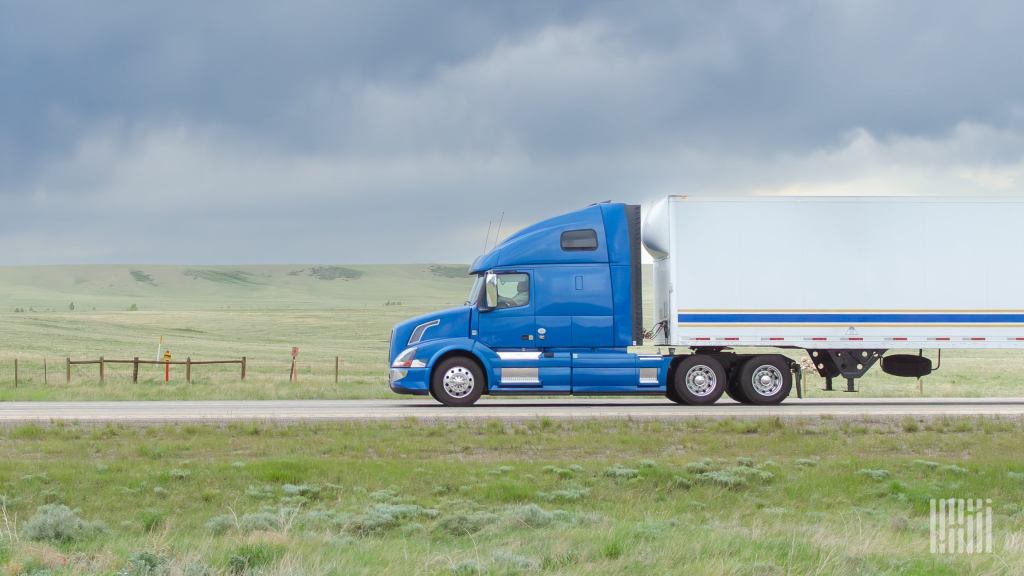

Last year was a treacherous time to be in the logistics industry. While experts are more optimistic about 2024, flipping the calendar over to January did not offer instantaneous relief.
Brokers and carriers are still feeling the sting of the ongoing freight recession, and factoring companies can be critical partners during this time. This is especially true as freight brokers — ranging from small companies to household names — continue to enter and exit the market at breakneck speeds.
When a broker unexpectedly closes up shop, that company’s carrier partners run the risk of not getting paid. Losing out on a significant chunk of income is not something that most carriers are equipped to weather in the current economic climate. In the most dire situations, this type of loss can actually force a carrier to close its doors as well.
That is where factoring companies come into play. True Non-Recourse factoring is the only reliable way carriers can shield themselves from the financial impacts of broker shutdowns. This type of factoring completely shifts any liabilities related to uncollected and uncollectible payments from the carrier to the factoring company.
This means that once the carrier delivers the load, submits paperwork and receives payment, they no longer have to worry about that invoice again – even if the broker goes out of business. There are no chargebacks, ever.
“True Non-Recourse factoring is the only solution available to carriers and owner operators of any size that fully and completely protects your business from a loss in free cash flow when a broker or customer files for bankruptcy and slow downs in broker pay,” according to a recent OTR blog post.
OTR Solutions offers both True Non-Recourse and standard recourse factoring programs. It is important to note, however, that OTR’s recourse option is largely synonymous with the programs that most other factoring companies market as non-recourse.
It is not uncommon for a factoring company to call its offerings “non-recourse,” when in reality, carriers still end up bearing the brunt of another company’s financial missteps. This is why it is important for carriers to look past buzzwords and explore the specifics of each program before deciding on a factoring partner.
Looking out for carriers is at the heart of everything OTR does.
With over 10 years of experience in the industry, OTR Solutions has picked up on tell-tale signs that a broker may be at risk financially. When OTR senses that a broker may be in danger, the company puts that broker on a “no buy” for its true non-recourse customers, shielding them from as much risk as possible while affording them the opportunity to more naturally shift their capacity to other lanes and avoiding an abrupt disruption in cashflow.
When this happens, OTR’s recourse customers are still able to factor invoices from that broker, as they knowingly assume the risk under a recourse program. These customers still benefit from the company’s wealth of knowledge when making these types of decisions, though.
“Because of the protections in place under our True Non-Recourse program — and the watchful eye it requires — even our recourse clients are given a heads up and are notified of potential issues that may impact their business,” according to a representative from OTR.
In short, no matter which program type a carrier chooses, factoring with OTR provides an unparalleled level of transparency and protection. More than just cashflow, OTR is a business partner with a full team of experts who are trained to give carriers all the information they need to make the best possible decisions.
This is essential in today’s market, when the chances that a carrier will see one or more of its brokerage partners shut down remains high.
Click here to learn more about OTR.

On episode 675 of WHAT THE TRUCK?!?, Dooner is talking to Overhaul’s Danny Ramon about cargo theft spiking 57% from 2022 to 2023. He’ll tell us why he thinks the problem will be even worse in 2024 and what you can do to protect your freight.
Will this be the year of the warehouse robot? Korber Supply Chain’s John Santagate joins us to talk about all things robots, AI and software. What trends are empowering warehouses now and which ones will pave the way of the future?
What better way to know how trucks work than to buy a truck? That’s exactly what Karmak’s Jim Allen did. He’ll tell us why he felt that buying a big rig would give a better idea of his customer’s needs.
Plus, will 700,000 trucks protest at the border; Flexport layoffs; dangers of pulling over; rate the strap work; and teaching them young.
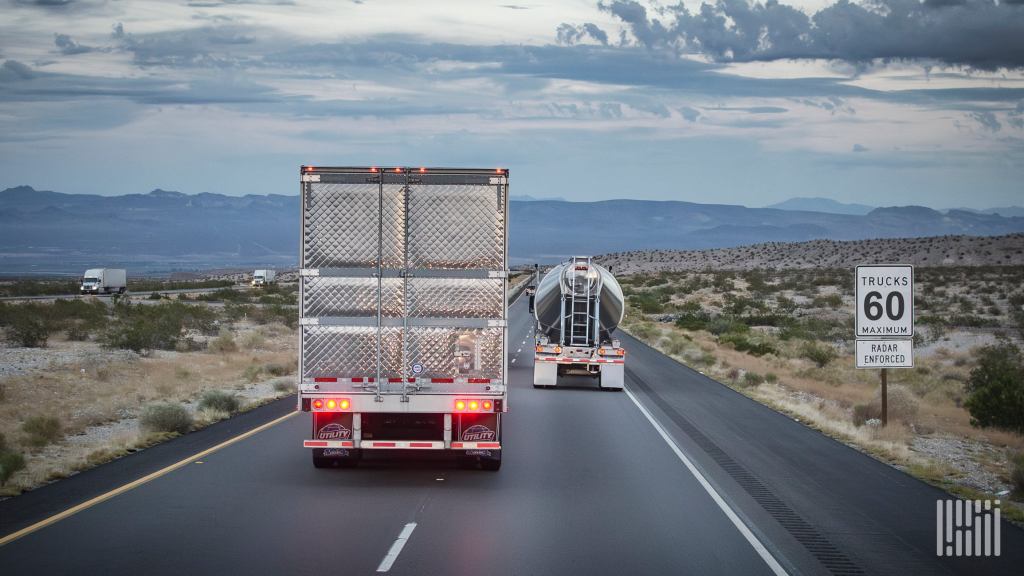
WASHINGTON — The federal government’s controversial truck speed limiter rule has been delayed once again and is now set to be published in May.
Originally scheduled to roll out by mid-2023, the Federal Motor Carrier Safety Administration pushed the date back to Dec. 29 of last year.
But according to the U.S. Department of Transportation’s latest significant rulemaking report, the speed limiter rule will not be out for another five months — or possibly longer.
The rule would require that trucks weighing over 26,000 pounds be equipped with an electronic speed governor to set the device at a maximum speed, which is expected to be revealed in the rule.
Owner-operators generally oppose the rule, contending it would stifle driving flexibility and lead to more crashes. Safety groups and large carriers — particularly trucking companies that already set limits on their trucks for economic as well as for safety reasons — support a federal mandate.
At a hearing on Capitol Hill in December, House Republicans pushed back against the proposed regulation and whether the rulemaking process was being conducted ethically.
U.S. Rep. Troy Nehls, R-Texas, at the hearing questioned former FMCSA chief Robin Hutcheson about a potential connection between FMCSA rescinding in September a 68 mph limit on electronic speed governors in trucks — which had initially been included in a previous agenda summary — and a fundraiser she attended the same week.
Nehls claimed that the fundraiser was sponsored by labor unions and large trucking companies that he said had been pressuring FMCSA to set speed limiters at 60 mph. Hutcheson asserted, however, that the agency does not discuss pending rules with industry stakeholders.
Also delayed by FMCSA is a proposed rule on autonomous trucking. As with the speed limiter rule, the automated driving systems (ADS) rule, which would amend regulations relating to truck operations, inspection, repair and maintenance, was scheduled to be published in December. According to the latest agenda, however, the ADS rule is now scheduled for March.
In addition, FMCSA has set June 2025 as the date for rollout of a proposed rule on carrier safety fitness and revamping how the agency identifies unsafe motor carriers. That date is 20 months after the comment period ended, in October 2023, on an advance notice for the rule.
FMCSA earlier this month published a “notice of data availability” in the proposed rule’s docket to notify the public about studies it could rely on to develop the rule, which will be used to determine a carrier’s safety fitness rating.

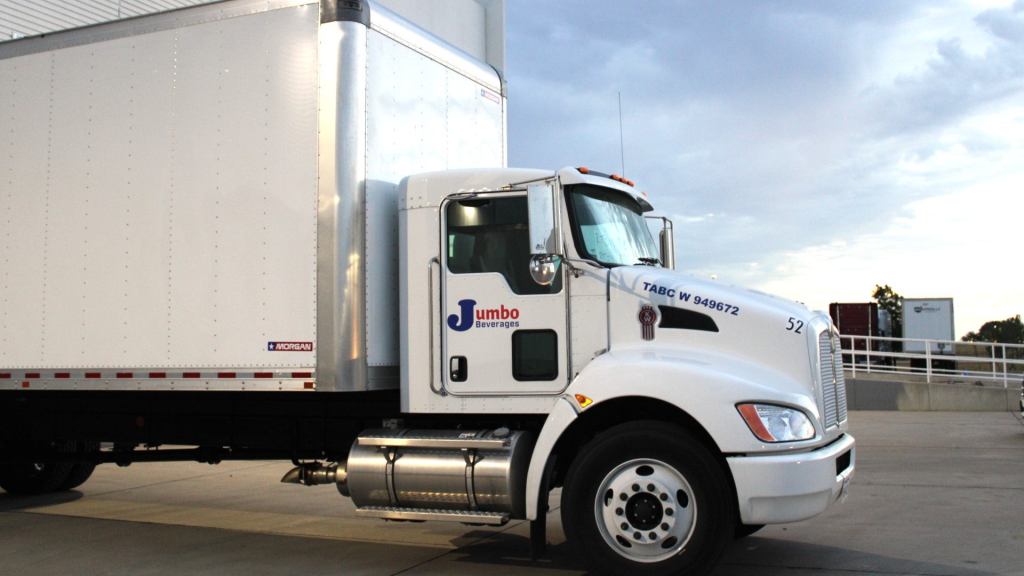
Jumbo Beverages announced a permanent layoff of all employees at its beverage distribution center in Grapevine, Texas.
The company said the layoffs will affect 109 workers and will be finalized by April 30, according to a filing with the Texas Workforce Commission. The company did not provide a reason for the layoffs or the facility’s closure in the filing.
Jumbo Beverages is a subsidiary of Dallas-based Glazer’s Beer and Beverages. Officials did not return a request for comment from FreightWaves.
Jumbo Beverages was formed in 2021, when Glazer’s Beer and Beverages purchased KC Distributing of Aubrey, Texas, and Kimball Distributing of Grand Prairie, Texas, and combined them into a new entity, according to the Fort Worth Business Press.
Jumbo Beverages serviced over 20 suppliers, 4,000 customers and covered a 22-county footprint across the Dallas-Fort Worth area. The company represented over 30 brands, including Shiner Beer, Fiji Water and Nesquik.
Glazer’s Beer and Beverages was founded in 2016. The company has about 1,500 employees across 13 locations in Arkansas, Iowa, Louisiana, Nebraska and Texas.
Nearshoring forecast to boost US-Mexico trade in 2024
Mexico aims to compete with Panama Canal by using cargo trains