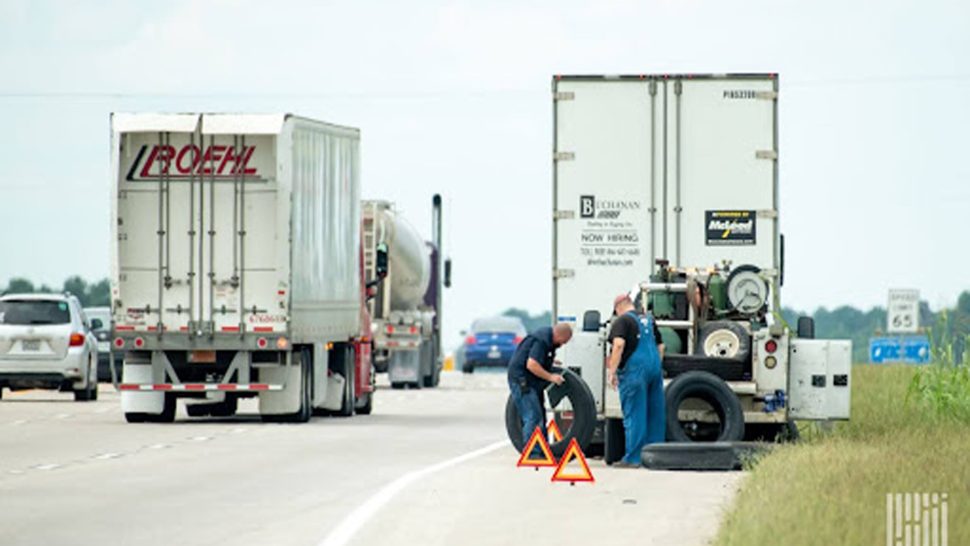
Tires are one of the biggest operating expenses for any trucking company, but some carriers don’t treat them like the diagnostic tool they are. They see tread loss as the cost of doing business, when in reality, tires are trying to tell you what’s wrong with your truck. Every wear pattern—feathering, cupping, shoulder wear—has a story behind it. If you learn how to read those stories, you’ll catch problems earlier, prevent roadside breakdowns, and extend the life of your most expensive consumable.
A mechanic looks at a tire like a doctor looks at an X-ray. The tread isn’t just rubber, it’s evidence. And if you want to run your fleet profitably, you’ve got to start reading that evidence before it costs you money.
Why Tire Wear Matters More Than You Think
Most small carriers look at tires only when they fail inspection or when tread depth drops below the DOT limit. By then, it’s too late—you’ve already lost efficiency, safety, and money. Tire wear isn’t just cosmetic. It impacts:
- Fuel economy – Improper wear increases rolling resistance. One tire out of alignment can cost you thousands in fuel every year.
- Driver safety – Uneven wear reduces traction, especially in wet conditions. That means longer stopping distances and higher accident risk.
- CSA scores – Tire violations are common during roadside inspections. Worn edges, mismatched tread depths, or visible damage can sideline your truck.
- Maintenance costs – Tire wear usually signals alignment, suspension, or mechanical issues. Ignoring the wear means ignoring the root cause.
In short, tire wear is a financial, operational, and safety issue. Reading it correctly is part of running like a professional.

(Photo: Michelin. This is what feathering looks like — uneven wear at the edge of the tread caused by poor alignment or drive axle misalignment. Don’t ignore it. Feathering means your tires are fighting the road, and your wallet is losing.)
Feathering – The Alignment Red Flag
What it looks like: One side of the tread rib feels sharp while the other side feels smooth. Run your hand across the tread, and you’ll feel the difference immediately.
What it means: Feathering is almost always an alignment issue. It tells you your tires are being dragged slightly sideways instead of rolling straight. It can also point to worn suspension components like bushings or tie rods.
Where it shows up most: Steer tires are the usual suspects. If your driver complains about pulling to one side, and you see feathering, that truck is begging for an alignment.
What to do: Don’t just rotate the tires to hide the pattern. Schedule a full alignment check. Have the shop inspect tie rods, kingpins, and bushings while the truck’s on the rack. Correcting alignment early not only saves the tire but also prevents strain on steering components that can lead to bigger repairs.
Cupping – The Suspension Truth Teller
What it looks like: Scalloped dips or high and low spots across the tread. It looks like waves cut into the tire surface.
What it means: Cupping almost always points to suspension or shock absorber problems. When shocks can’t control the bounce of the tire, it “cups” as it repeatedly slaps the road. Worn bushings, loose wheel bearings, and imbalance can also contribute.
Where it shows up most: Drive and trailer tires are common spots, but steer tires can cup too if shocks are completely shot.
What to do: Don’t just swap the tire. Inspect shocks and suspension first. If the tire cupped from a worn shock, replacing the tire without fixing the shock guarantees the new tire will cup again. Preventive maintenance schedules should include shock replacement at manufacturer-recommended intervals, not just when failure is obvious.
Shoulder Wear – The Pressure and Load Signal
What it looks like: Excessive wear on the inside or outside edge of the tread, while the center looks healthy. Sometimes it’s just one edge; other times, both shoulders wear faster than the middle.
What it means:
- Both shoulders wearing: Tire is underinflated. The middle doesn’t contact the road properly, so the shoulders carry all the load.
- Center wearing faster than shoulders: Overinflated tire—only the middle is making full contact.
- One shoulder wearing faster: Alignment or camber issue. The axle isn’t square, and one side of the tire is carrying the load.
Where it shows up most: Trailer axles are notorious for inside shoulder wear due to misalignment or bent axles. Steer tires with outside shoulder wear often scream “camber problem.”
What to do: First, check inflation against the manufacturer’s load chart. Don’t guess—know the PSI your tire is rated for with your average load weight. If pressure is correct, move on to axle alignment checks. Shoulder wear is often your first clue that an axle is out of square, and ignoring it leads to more tire replacements than you should ever pay for.
Reading Tires As Part of Your Maintenance System
The key is making tire reading part of your preventive maintenance, not a one-off task. Here’s how to systemize it:
- Driver pre-trips and post-trips – Train drivers to not just look at tread depth but to run their hands across tread surfaces. Feathering and cupping can be felt before they can be seen.
- Shop inspections – At every PM, mechanics should log tire conditions. Document wear patterns along with tread depth so you can track changes over time.
- ELD reminders – Build tire inspections into your maintenance alerts just like oil changes and brake checks.
The power is in documentation. A simple tire wear log across your fleet can reveal patterns: one truck that always cups tires may have a shock issue. A trailer that chews inside shoulders may have an axle alignment problem. That’s how you stop replacing tires randomly and start solving root causes.
The Cost of Ignoring Wear Patterns
Let’s put numbers to it. A set of steer tires can cost up to $1,200–$1,500. A set of drives can run $3,000–$4,000 easily. Trailer tires aren’t cheap either. If you’re chewing through rubber every 6–8 months because of alignment or suspension neglect, you’re throwing away thousands per truck, per year.
And that’s just the tire bill. Add in:
- Fuel loss – Misaligned or underinflated tires cost up to 3–4% in fuel. For a truck running 100,000 miles a year, that’s $5,000 in wasted fuel.
- Downtime – Tire blowouts don’t just cost the tire. They cost the tow, the roadside call, the late load, and the reputation hit.
- Safety liability – A blowout at highway speed isn’t just downtime. It’s a lawsuit waiting to happen.
The math is simple: reading wear early saves thousands. Ignoring it costs you every time.
Thinking Like a Mechanic
When a mechanic looks at a tire, they’re not thinking about rubber—they’re thinking about what the truck is trying to say. Is it alignment? Suspension? Inflation? Axle? They use wear patterns like clues to diagnose the bigger picture.
That’s the mindset small fleets need to adopt. Don’t just replace tires—read them. Every tire pulled from service should be inspected, logged, and understood. That habit is what separates fleets that constantly bleed money from those that control costs and scale.
Final Word
Your tires are talking. Feathering means alignment. Cupping means suspension. Shoulder wear means inflation or axle issues. If you don’t read those patterns, you’re not just wasting rubber—you’re wasting fuel, safety, and profitability.
Most carriers look at tread depth and call it a day. Professional carriers treat every tire like a report card on their maintenance system. Train your drivers to feel for wear, train your shop to log it, and use that data to fix root causes before they get expensive.
In trucking, details separate operators from professionals. Tires may look like an expense, but if you learn to read them like a mechanic, they’ll protect your bottom line and your reputation mile after mile.
Brokerage Compliance Symposium
The day before F3. Every compliance issue you face - fraud exposure, carrier liability, FMCSA rules, cargo theft, insurance gaps - navigated by attorneys and operators defining best practices in a changing industry.
F3 Awards Dinner
The night before F3. FreightTech100 companies honored. FreightTech 25 and Shipper of Choice winners revealed live. Cocktail reception into dinner and live music - 300 industry leaders in one purpose-built room.
F3: Future of Freight Festival
Industry-defining keynotes, rapid-fire technology demos, and industry leaders networking in experiences across Chattanooga - plus the inaugural F3 Awards Dinner featuring the FreightTech and Shipper of Choice reveals.
The day before F3. Every compliance issue you face - fraud exposure, carrier liability, FMCSA rules, cargo theft, insurance gaps - navigated by attorneys and operators defining best practices in a changing industry.
The Signal at Chattanooga Choo Choo • Chattanooga, TN Register NowThe night before F3. FreightTech100 companies honored. FreightTech 25 and Shipper of Choice winners revealed live. Cocktail reception into dinner and live music - 300 industry leaders in one purpose-built room.
The Signal at Chattanooga Choo Choo • Chattanooga, TN Register NowIndustry-defining keynotes, rapid-fire technology demos, and industry leaders networking in experiences across Chattanooga - plus the inaugural F3 Awards Dinner featuring the FreightTech and Shipper of Choice reveals.
The Signal at Chattanooga Choo Choo • Chattanooga, TN Register Now