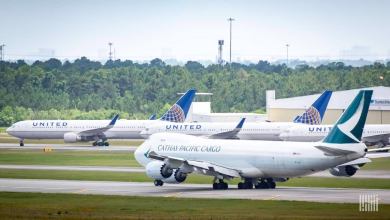
Airfreight volumes, pricing strengthen into 2021
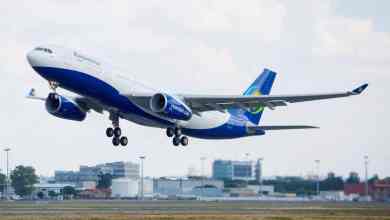
The air cargo market is doing much better than passenger business for airlines. It could reach equilibrium, following the pandemic shock, in the next few months.
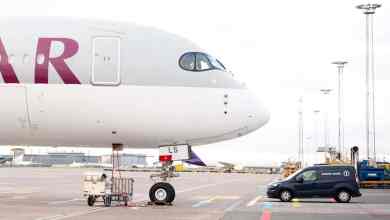
UNICEF is helping less developed countries with supply chain needs associated with distributing coronavirus vaccines.
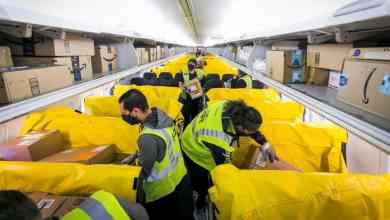
Cargo never got a window view during air transport until the coronavirus pandemic led airlines to find innovative ways to mitigate the loss of passenger revenue. Alaska Airlines is joining other carriers in stowing boxes and mailbags in seats.
With passenger planes all but out of commission earlier this year – and still lagging considerably in the fourth quarter – shippers had significantly fewer options for moving their products across the world.
Michael White has been carrying the flag for air cargo in the U.S. for more than two decades. He will retire at the end of the year.
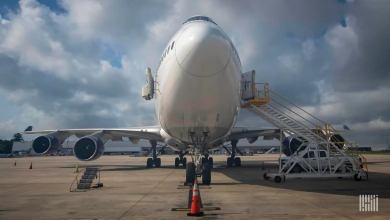
The air cargo industry is operating with an anchor tied around its waist: The absence of strong passenger service.
Cargo is no longer the stepchild at passenger airlines. Strong cargo sales have helped keep airlines afloat as revenues plunge during the coronavirus. Will we see airlines start to buy freighters to capitalize on cargo demand?
Logistics companies are making lemonade from lemons during the coronavirus. New processes and workarounds keep freight moving, but often at extra cost.
Pittsburgh International Airport is a diamond in the rough when it comes to air cargo. The airport sits in a geographic sweet spot for reaching a huge chunk of the U.S. population by truck. Airlines and logistics companies are beginning to diversify their supply chains to cargo-friendly airports like Pittsburgh.
Companies have to spend more time trying to find cargo space for their goods with more than half the global passenger fleet still grounded by the coronavirus. The good news is carriers and logistics companies continue to add services.
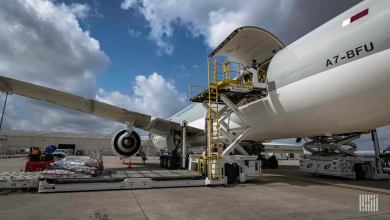
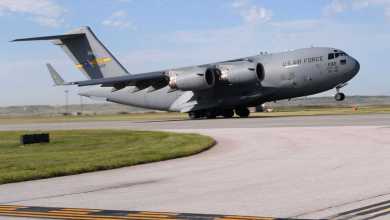
The U.S. government is coordinating with the private sector how to quickly deliver a COVID-19 vaccine, but under one scenario officials are contemplating the military could deploy giant cargo planes to carry refrigerated trucks full of vaccines.
The freight-forwarding arms of DHL and DB Schenker are adding air capacity by leasing aircraft from all-cargo operators. The new services and features from DHL and FedEx are designed to meet growing demand associated with COVID and greater temperature requirements.
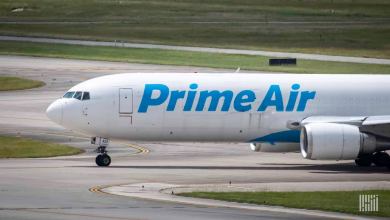
Amazon has outsourced aircraft operations again to long-standing vendor Air Transport Services Group. But Amazon is diversifying how it operates, adding an owned aircraft to its fleet.
National Multimodal Freight Network expected to be released later this year.
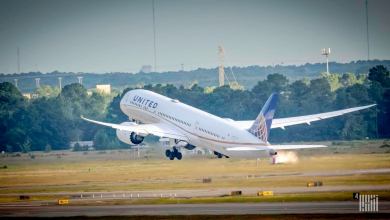
No part of United Airlines was spared from job cuts announced Wednesday, but the cargo division’s roughly 50 job losses are far fewer than those in other parts of the company.
3PL’s MyParcel provides European e-commerce customers a scheduled, yet competitively priced shipping service between existing express and postal.
The air cargo market continued its recovery in July from the depths of the COVID pandemic, but is still far below last year’s results. Demand is expected to shoot up in the next few months because the holidays are coming.
You’ll have to hold your nose if you crush a stink bug. More than a nuisance, the stink bug is a destructive pest that can damage many crops. Australia has put tight measures on air and sea freight to keep the bug out of the country.
Price inflation has tapered off for many – not all – air cargo markets during the second half of August. Shippers shouldn’t get used to it.
Airfreight exports from China slowed a bit in mid-August, allowing shippers to take back a tiny bit of pricing before rates shoot up for the next few months in as retailers build inventory for the holidays.