




Eric Kulisch
Thursday, May 21, 2020
Governments help correct COVID distortions in airfreight market
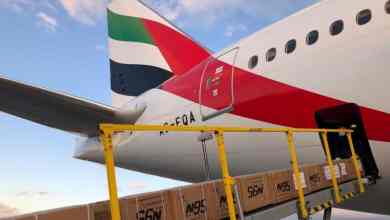
At least two governments, Australia and New Zealand, are helping to correct distortions in the airfreight market.
At least two governments, Australia and New Zealand, are helping to correct distortions in the airfreight market.
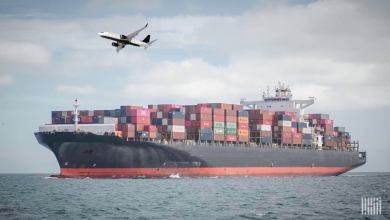
Supply chain management solutions provider project44 said it has shippers covered no matter where and how their cargo is transported throughout the world.
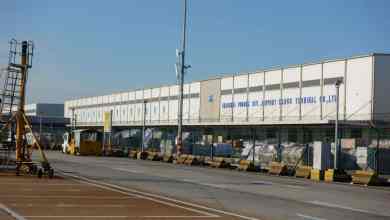
Shanghai Pudong Airport is getting crushed by heavy cargo volumes. Add to the mix a lot of red tape for export clearance and shipments are experiencing long delays and missed flights.
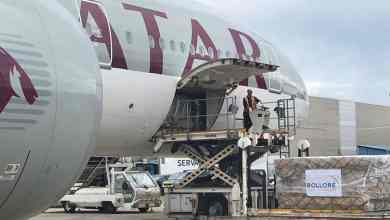
One of the Middle East’s largest airlines targets freight to keep its more than 250 aircraft flying during the coronavirus pandemic.
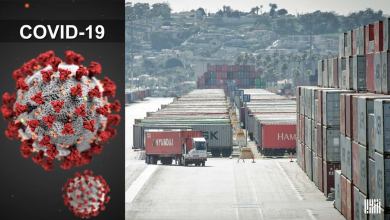
Governments must support vital supply chains. A big part of that is for all branches and levels of government to put aside partisanship and petty bickering and work for the good of the nation and its people.

Customer service (in many forms) is the key to keeping and/or expanding business during the pandemic.
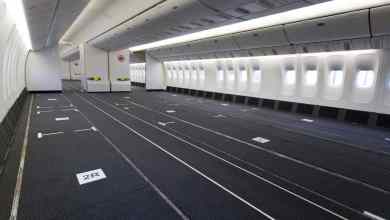
Cargo has had a window view on some international airlines. Now U.S. airlines are looking to load boxes in the passenger cabin when operating in cargo-only mode. The next step — remove the seats altogether.
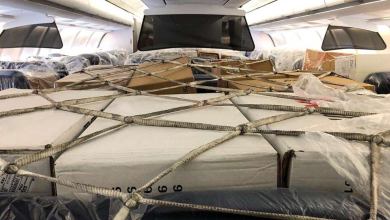
Passenger aircraft are being used to fly essential cargo between continents. Learn more about what the airlines are doing to survive and to assist key supply chains.
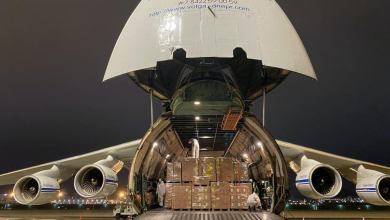
The demand for coronavirus medical supplies is so great that passenger aircraft are being repurposed for cargo service, logistics companies are chartering those airplanes and full freighters, and governments are setting up air pipelines with logistics partners.
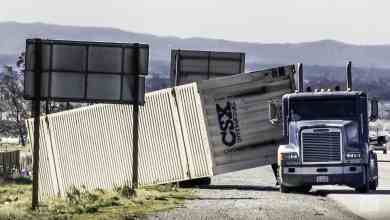
Using shock recorders when shipping freight may help shippers and carriers better protect freight and assign fault when damage occurs.

Virus-related demand headwinds bring fresh declines in February Cass data. Visibility into a potential trucking recovery is further clouded.

Coronavirus is having an impact on many industries. One of those impacted is the global seafood industry.

The coronavirus has created a weird market dynamic for airfreight in China. There is very little demand for scheduled flights to move manufactured goods, but charter flights are in high demand to get medical and relief supplies to China. And airfreight rates are poised to jump once Chinese factories fire back up.

Importers and exporters can expect shipping delays and skyrocketing transportation budgets associated with the logistics challenges in China associated with the coronavirus in China. But there are steps companies can take to minimize the damage to customers and their bottom lines.

Pilots hold many of the cards when it comes to cargo capacity in China. If they decline flight assignments to avoid catching the coronavirus, lots of merchandise and supplies won’t get delivered on time.

Your name is your face to the world. Forward Air wants a makeover since diversifying from its original business focused on air cargo, so it’s changing its name and logo.
Airlines continue to react to the spread of the coronavirus by cutting more flights.
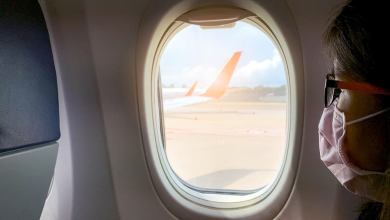
Many people are paying attention to the coronavirus from a travel perspective and what it will do to the passenger airline industry, but less recognized is that the air cargo that rides below passengers’ feet will also have fewer transport options.
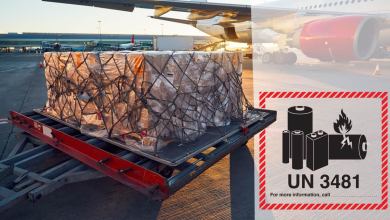
Misdeclared cargo is a big problem for air carriers when it comes to dangerous goods like lithium batteries. Regulators are too complacent when it comes to enforcement, airfreight industry groups claim.
Representatives from airlines, logistics companies, truckers and airport authorities will attend Air Cargo 2020 in late January.