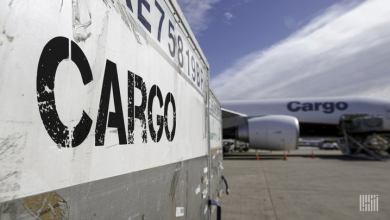
Airfreight shows resiliency post-CrowdStrike, Xeneta data shows
It took only nine days for airfreight to return to normal following the CrowdStrike Windows outage on July 19, according to data from Xeneta.

In the age of social media, rumors are rampant in the shipping industry. But this article from the archives of American Shipper examines how rumors also plagued logistics in the 1980s, pre-social media.
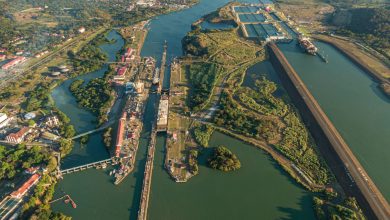
An article from 1978 in American Shipper showed that the efficiency of the Panama Canal was an important factor in shipping — something that resonates today with the drought that has created a water level crisis in the canal.
American Shipper magazine has an extensive history of monthly printed issues, each with interesting cover designs. We’ve compiled a gallery of our favorite covers from the 1970s.
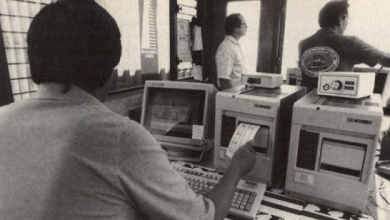
snapshot of ports in 1991 reveals the importance of a new radio-frequency technology launch at the time, when a terminal in Honolulu first received the tech.
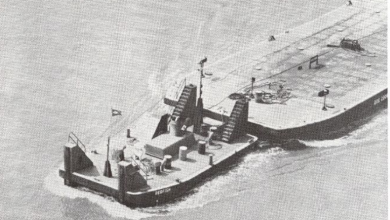
Today, automation can mean launching a fleet of autonomous robots that can unload shipping containers without human intervention. In 1974, a remote-controlled “bow boat” was considered a major launch.
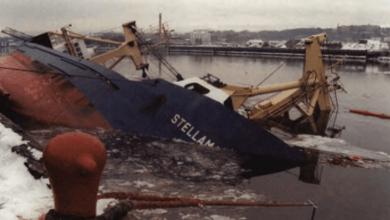
2004: The capsizing of two vessels rocks the project cargo industry.
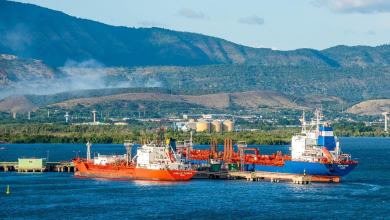
1994: Those involved in response to the 600,000-gallon spill reflect on their efforts.
NASA hauls the longest heavy cargo delivery; Reefers run food to the Bahamas; Submarine cables connect the Virgin Islands.
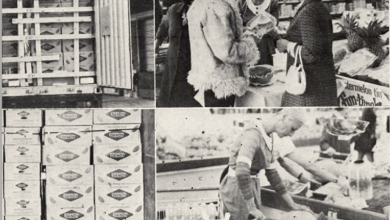
1971: Londoners are able to buy American melons for the first time after test shipments to the U.K. proved successful.
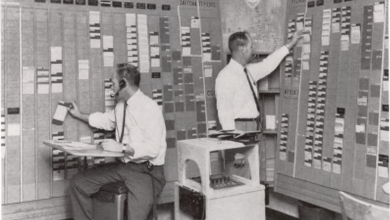
We take a look back at the state-of-the-art technology that streamlined trucking in 1961.
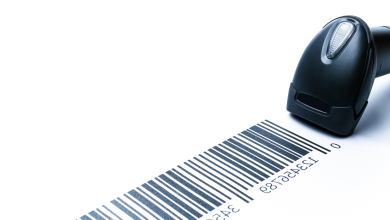
1992: 2-D bar codes provide an almost infinite variety of codes, which could prove especially useful in international shipping.
2000: World container port throughput increased 7.8% last year to about 201 million TEUs — the first time volume exceeded 200 million TEUs.
1974: They may be the last hurdles in the way of renewed trade between the
United States and Cuba. An embargo failed to work and indirect business
has begun.
1991: The new system allows automobiles to move in regular intermodal containers instead of the multilevel railcards that now are the industry standard.
1999: eBay ushers in e-commerce’s most dramatic distribution channel disruption in decades.
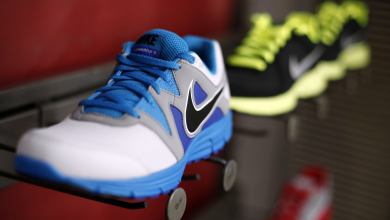
Nike has remained a popular shoe brand for decades (Photo: AP File/Matt Rourke)
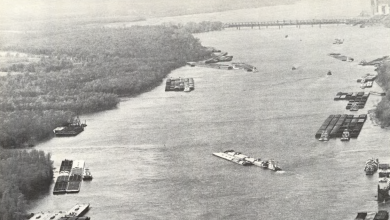
A massive eight-day backup of barge traffic at Locks and Dam 26 on the Mississippi River in 1976 resulted in shipping losses estimated as high as $500,000 a day.
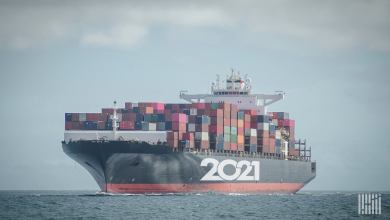
Putting money on what American Shipper readers were clicking on in 2021 would be a safe bet.
In addition to 40 waiting close to shore, another 56 farther out