




Corey Smith
Wednesday, September 7, 2022
Kodiak Robotics CEO on advanced self-driving technology
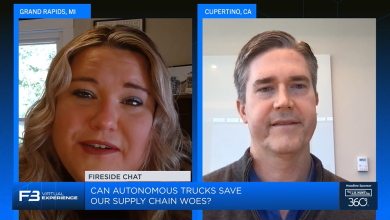
FreightWaves’ Alan Adler sits down with the co-founder and CEO of Kodiak Technologies to discuss autonomy in trucking.
FreightWaves’ Alan Adler sits down with the co-founder and CEO of Kodiak Technologies to discuss autonomy in trucking.
Shippers should reconsider the pecking order of asset-based trucking companies first, brokerages second.
CEO Brett Suma is optimistic about rolling out Loadsmith’s autonomous middle-mile offering between select origin and destination pairings.
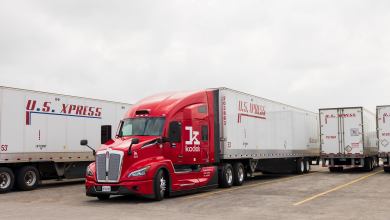
U.S. Xpress is tripling down on autonomy, adding Kodiak Robotics to pilots with Embark Trucks and TuSimple.

Nonbinding reservations from fleets hit 7,325 as 2021 revenues grow to $6.3 million

Self-driving technology startup Waabi has introduced its Waabi World simulator, a technology that company founder Raquel Urtasun said is able to “teach” autonomous vehicles how to drive in a safer manner.
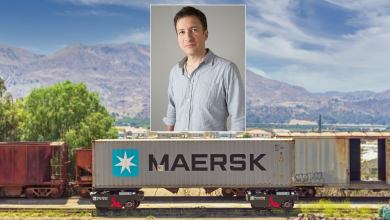
“We’re not looking to replace trains. We’re looking to augment trains with a system that is trying to be competitive as an alternative to trucks,” said Matt Soule, co-founder and CEO at Parallel Systems.

Leading Phantom Auto’s series B funding round nets seat on board

Driver as a service: J.B. Hunt becomes Waymo’s first self-driving freight customer, Commentary: The dangers of dwell, Market update: Outbound tender rejections decline amid rising spot rates
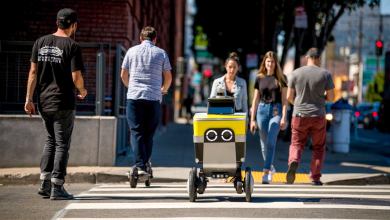
Autonomous sidewalk delivery company Serve Robotics completed robot deliveries with zero human interaction — an industry first.
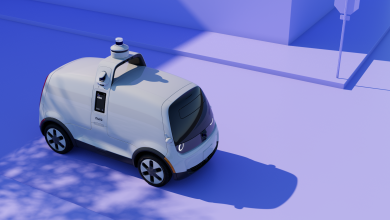
Google-backed Nuro has released its third-generation delivery vehicle, simply called Nuro, and will partner with Kroger to roll it out in Houston.
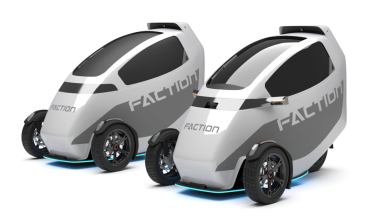
The Bay Area-based autonomous vehicle maker received an investment from TDK Ventures, a subsidiary of Japanese multinational electronics company TDK Corp.
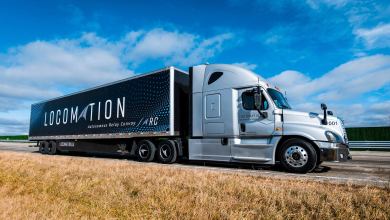
Even Before Autonomous Trucks, Fleets Can Double Their Capacity By Tom Kroswek, Vice President, Strategy & Business Development In a previous post, I overviewed how the Autonomous Relay NetworkSM can help carriers and shippers optimize their trucking service for autonomy. Now I want to explain more about how Locomation works with trucking companies to re-engineer their operating models […]
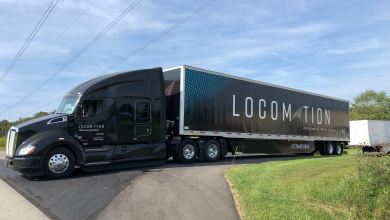
The ARC system will reduce a truck’s GHG footprint by 22%, Operating Costs by 19%, and Fuel Consumption by 21% PITTSBURGH, PA—Locomation, a leading provider of autonomous trucking technology solutions, today announced the findings of an independent environmental impact evaluation [report link and infographic link], that its Autonomous Relay Convoy™ (ARC) system will dramatically reduce the Greenhouse Gas (GHG) footprint, fuel […]
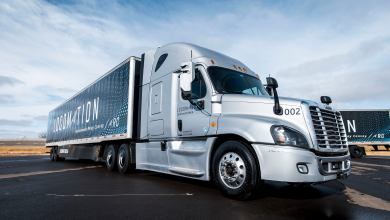
By Dr. Çetin Meriçli, CEO and Co-founder of Locomation. Concerns about the nation’s supply-chain are making headlines and raising concerns from Main Street to the White House. Parents worry about not having holiday gifts for their children after a stressful and strenuous year, and some worry that sectors dependent on foreign technology may be backlogged for […]
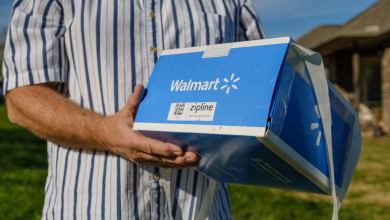
Zipline is known for its work providing humanitarian assistance to remote communities, and it’s now coming to Pea Ridge, Arkansas.
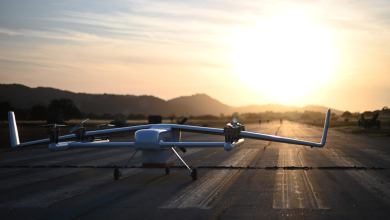
Drones have suddenly been thrust into a crucial position in the humanitarian supply chain, and Elroy Air is the latest company to use drones to deliver aid.
“As that system proves out over billions of miles of experience and proves the real safety of the technology, we think that will be a key building block towards fully autonomous trucks,” says Plus COO and co-founder Shawn Kerrigan.

“The deluge of information can lead to processing delays, false detections and erroneous alarms. All this processing noise is what leads lidar systems to behave like distracted drivers,” said Spartan Radar’s founder and CEO on competing technology.
Representatives from both sides of the aisle and company executives convened in a webinar hosted by the Consumer Technology Association.