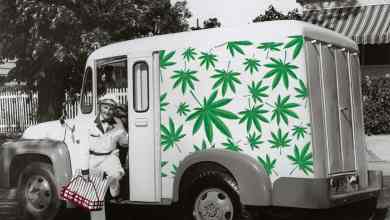
With the marijuana market ablaze, who is going to haul the crop?
The recreational use of marijuana in California is now “legal”. The weed transport market is heating up but there is not enough capcity to haul the product
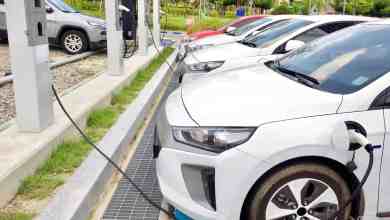
California-based electric charging companies are set to benefit from the $2 billion settlement that VW agreed to with the government.
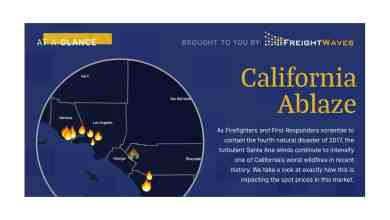
The out-of-control wildfires burning in California have had a dramatic impact on spot rates in the region.
Driver costs are the highest cost for fleets, surpassing fuel for the second year in a row, according to data from the American Transportation Research Institute.
C.H. Robinson will implement Omnitracs’ Virtual Load View (VLV) application as it seeks ways to improve visibility into load tracking. The system will run alongside C.H. Robinson’s own Navisphere system.
The deadly wildfires raging in Northern California regained their vigor on Wednesday as winds picked up and helped spread fires, threatening historic Sonoma County wineries. The fires have left at least 17 people dead and more than 2,000 buildings destroyed. They are also impacting shipping in the region.
The California Air Resources Board (CARB), through chairperson Mary Nichols, has revealed the state’s interest in banning vehicles that produce carbon emissions, Bloomberg News reports. Governor Jerry Brown has called Nichols to ask why the CARB has not moved forward on this idea, Nichols told Bloomberg.
California Assembly Bill No. 398, otherwise known as The California cap and trade extension, has become but a blip in the news cycle, since the law was passed. The bill extended the state’s cap and trade program that aims to cut greenhouse gas emissions until 2030. But it could mean much higher fuel prices.
A Buzzfeed writer has turned President Donald Trump’s visit with trucking leaders into a kids book. Also, manufacturing output declines and the uneven economy is causing some questions to be asked by trucking executives.
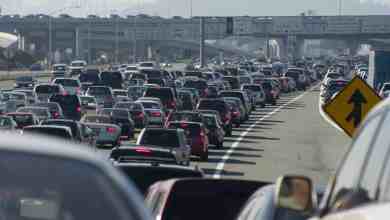
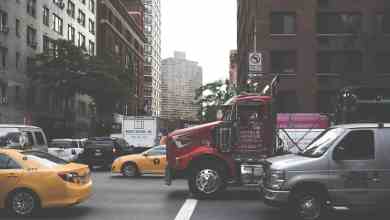
Good morning. Hope the roads are clear where you are today. As it turns out, that is not often the case for many of us. The American Transportation Research Institute reported that congestion on U.S. roadways cost the trucking industry $63.4 billion in 2015 and resulted in 996 million hours of lost productivity, which is equal to 362,243 truck drivers sitting idle for an entire year.