




Joanna Marsh
Tuesday, August 18, 2020
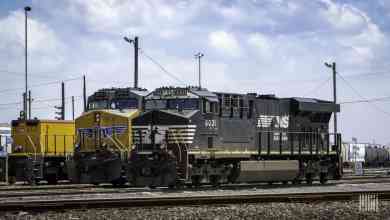
KCS, NS and CN sign onto campaign to prevent plastic pellet spill
The campaign is part of a broader effort to prevent the spillage of the tiny pellets during their transport.
The campaign is part of a broader effort to prevent the spillage of the tiny pellets during their transport.
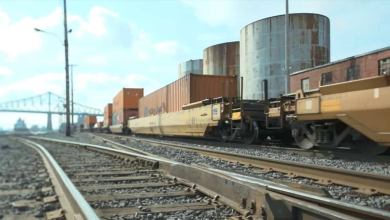
Some volumes have been diverted to the Port of Halifax and other East Coast ports.
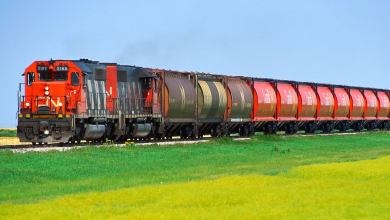
Canadian Pacific’s and CN’s estimates of grain they expect to haul in 2020-2021 is in line with past projections.

The funding will be for capital and maintenance projects in eight states.
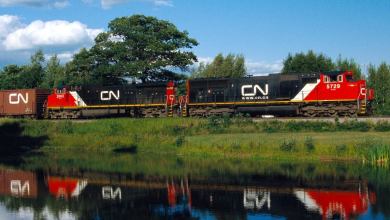
The expectation that North American consumers will help drive intermodal traffic comes as the railway’s second-quarter volumes were hit by the coronavirus pandemic.
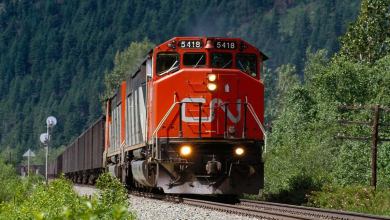
Unadjusted net income for the second quarter falls nearly 60% from the same period in 2019.

The C$230 million it will spend on the three provinces are on top of C$1.3 billion previously announced for five other provinces.
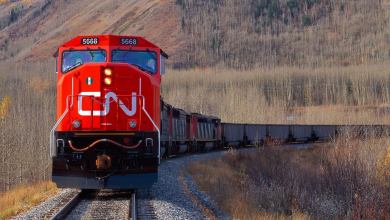
June grain volumes and second-quarter movements were records for both CN and CP.
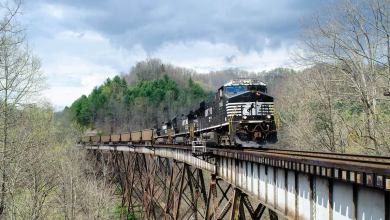
CN lays out 2020 capex plans for Nova Scotia, railroad supply group’s head to depart, and Norfolk Southern makes changes to its demurrage and accessorial charges tariffs.
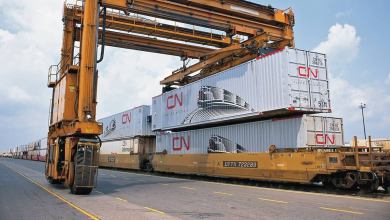
The funding is part of CN’s capex budget for 2020.
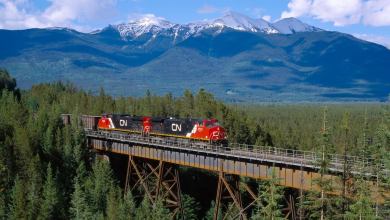
The railway is working on infrastructure improvements amid lower market demand because of the coronavirus.
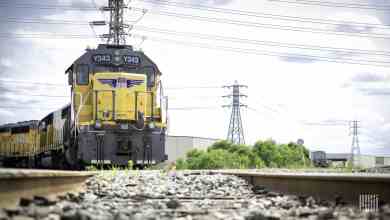
Class 1 railroads reiterate that some measures they took to cut costs because of the coronavirus could become permanent.
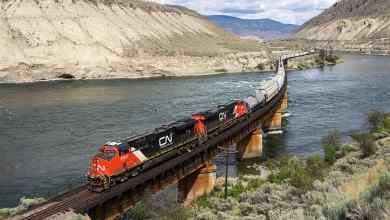
British Columbia seeks to ramp up its export capacity of propane at Canadian west coast ports, and CN is the only Class I railway serving the Port of Prince Rupert.
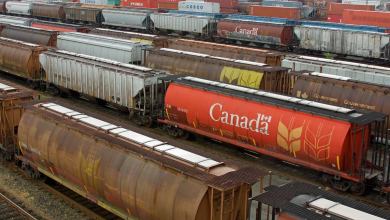
Investments in recent years to expand capacity along their western Canadian grain networks have paid off for Canadian Pacific and CN.

The coronavirus pandemic didn’t slow grain movement.
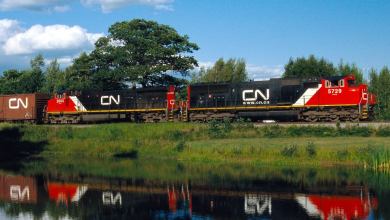
The effect that the coronavirus pandemic is having on rail volumes could get worse in the coming weeks before things get better, according to executives.
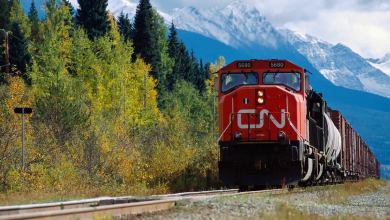
The railway managed to boost its first-quarter net income despite the February rail blockades and the COVID-19 pandemic.

Investigators with the Transportation Safety Board are urging Transport Canada to consider revising track maintenance regulations since broken rail is appearing as a possible cause for two recent crude train derailments.
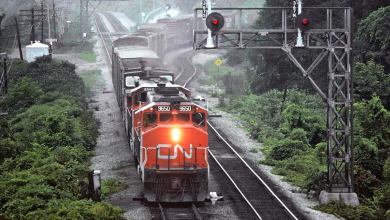
The new orders require “higher-risk key trains” to slow down their speed in the wintertime.
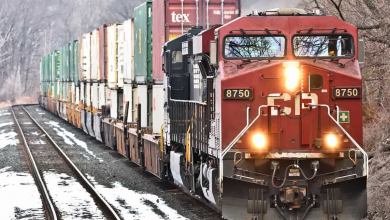
The Canadian railways will have the network capacity to accommodate any sudden surges in demand once the coronavirus pandemic subsides, their executives said.