IMO 2020 and blank sailings to define Q4 container markets
The introduction of new low-sulfur fuels, bearish demand and increased blanked sailings will bring more volatility to box markets in the coming months, says MSI.
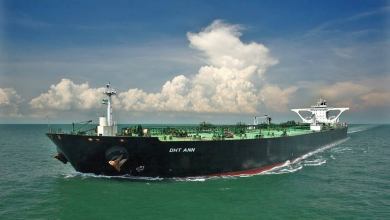
Crude tanker rates continue to surge, driven by geopolitical tensions. Meanwhile, container rates remain weak.
New regulations are expected to affect around 60,000 ships, requiring them to reduce their sulfur emissions by more than 80%.
Trade lanes will come to a halt if the U.K. exits the EU on October. 31, believes the Secretary-General of the European Shippers Council.
The number of containers is a better bellwether of global trade than the number of container ships.
BIMCO says there are “several indications” that goods are being shipped from the Far East to Europe and then transshipped to the U.S. East Coast to avoid tariffs.
This week, VLCC tanker rates are rising, whereas both trans-Pacific box rates and Capesize bulker rates are slipping.
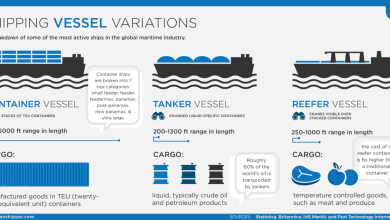
A breakdown of some of the most active ships in the global maritime industry.
The drone attacks in Saudi Arabia are reverberating across the ocean shipping business. Part I: the impacts on non-tanker shipping segments.
Data confirms that U.S. importers are increasingly opting to bring Asian cargoes into East Coast ports.
Dry bulk spot rates have pulled back from recent highs, while trans-Pacific container rates have held their gains.
CMA CGM expects an even better second half to the year following its acquisition of CEVA Logistics.
While management teams at some of the nation’s largest TL carriers have been talking up the potential for a solid peak shipping season, Universal Logistics has seen peak season sentiment move the opposite direction.
The beleaguered dry bulk shipping sector is nearing its post-financial-crisis peak. Is it sustainable?
The price of new IMO 2020-compliant low-sulfur fuels is already 30% higher than fuels currently in use, but costs will rise further as the Jan. 1 deadline approaches, says consultant
A direct hit on both Freeport and Miami would compound fallout for ocean shipping.
VLCC rates are up over 200% month-on-month. Trans-Pacific box shipping rates are down 11% since the beginning of August.
The next global recession would have a different impact on ocean shipping markets than the 2008-09 financial crisis.
Canada’s largest port saw increases in tonnage and containers during the first half of 2019, but individual cargo types painted a more complicated picture.
Earlier today in Europe, Danish shipping giant A.P. Moller–Maersk (NASDAQ: Maersk A; NASDAQ: Maersk B) reported a massive increase in second quarter profit and earnings before interest, tax, depreciation and amortization. Revenues “grew slightly,” the shipping mega-conglomerate said.