Disaster fallout: How global shocks are reshaping trade
McKinsey warns that global shocks will become more frequent and shippers must improve the resiliency of their supply chains.
To learn more about FreightWaves SONAR, click here.
Layoffs loom. Maersk maintains changes are not about cutting costs amid COVID, but about improving service.
U.S. importers turn to Chinese sellers in the wake of COVID.
Good news: Ocean volumes are recovering from COVID.
New normal for container shipping: active capacity management and digital spot bookings.
To learn more about FreightWaves SONAR, click here.
COVID-19 could ignite geopolitical clashes and cause “meltdown” in U.S. consumer demand.
Asia-U.S. ocean freight rates are hitting record highs as import demand outpaces vessel supply.
Ports on the Atlantic are losing imports from Europe as well as Asia.
The U.S. Federal Maritime Commission found during its Fact Finding 29 investigation that the Port of New York and New Jersey showed supply chain resolve during the coronavirus pandemic.
To learn more about FreightWaves SONAR, click here.
Project will increase available ship capacity within two years.
The new unit can pass over stacks of boxes four high (48 feet) and five wide (plus a truck lane, a total of 69 feet).
New data reveals just how far ship orders have sunk. The fewer ships ordered, the higher future rates could climb.
Delivering on promise will mean fewer headaches and delays, container shipping line says.
A new interview with AgTC’s Peter Friedmann on how China COVID fears affect U.S. food exports.
U.S. shippers importing cargo from Asia are getting some price relief.
To learn more about FreightWaves SONAR, click here.
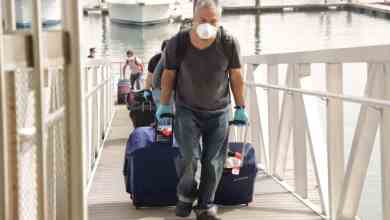
Global trade fallout from the crew-repatriation crisis has begun — and looks poised to snowball.