





Greg Miller
Monday, March 9, 2020
What crude price collapse means to ocean shipping
Here’s why tanker stocks are rising as the rest of the U.S. stock market is crashing.
Here’s why tanker stocks are rising as the rest of the U.S. stock market is crashing.
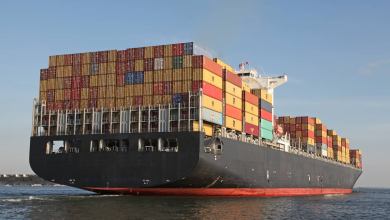
Unprecedented uncertainty will likely delay annual contracts between shippers and ocean carriers.
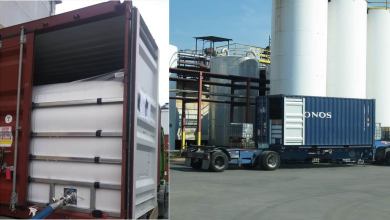
An exclusive interview with SIA Flexitanks CEO Damien McClean on what’s happening right now with Chinese manufacturing, trucking and ports.
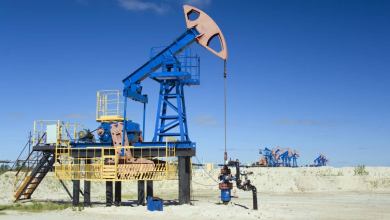
Slashed oil production is bad for tankers, but fallout for container ships hinges on price action.
As fewer ships arrive from China, there’s less capacity and equipment for U.S. and European container exports.
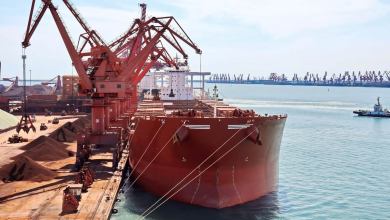
CargoMetrics data reveals that Chinese port activity has recovered much faster than some had feared.
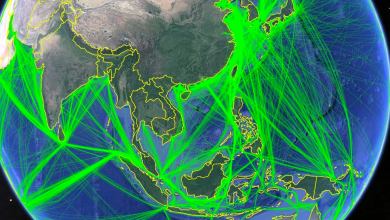
Big data confirms China trade volumes fell off a cliff in the wake of the coronavirus.
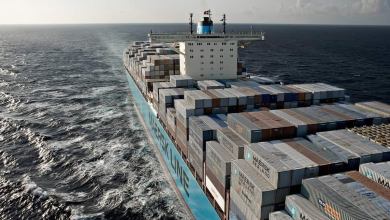
Outlook of world’s largest container line hinges on timing of coronavirus containment.
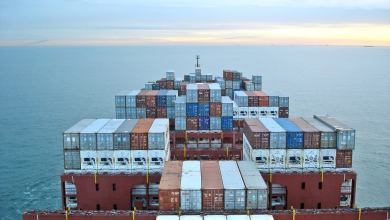
Cost to ship containers from China is down 6-8% but dearth of cargo may limit discounts.
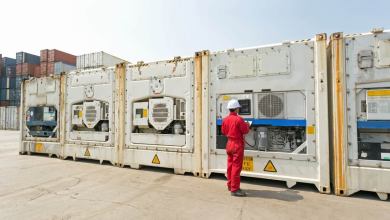
Inland trucking slowdown in China leaves port reefer plugs full, blocking refrigerated food imports.
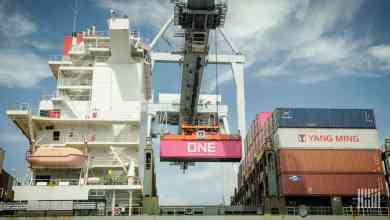
No evidence yet of a rush to expedite exports ahead of feared price increase.
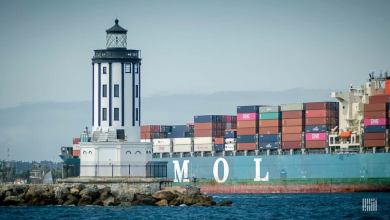
Coronavirus is not yet affecting rates, but it is influencing where U.S. importers look to source cargo.
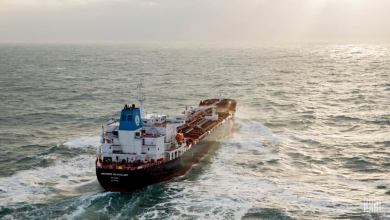
Earnings calls shed new light on how ocean shipping bosses view coronavirus crisis.

European supply chain platform Shippeo raises $22 million for expansion. Plus, Rhode Island aims to boost truck toll fees, global container movement falls and Nikola unveils electric pickup.
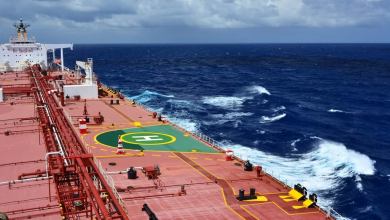
From container shipping to tanker transport, markets are awash in coronavirus fallout.

More tariff and sanction risks lie ahead for ocean shipping.
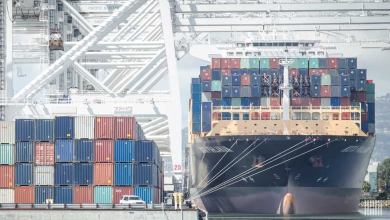
“As long as there continues to be a lack of cargo and documentation handling in the ports due to the virus, our exporters and importers shouldn’t be on the hook for per diem or demurrage charges,” AgTC Executive Director Peter Friedmann said.
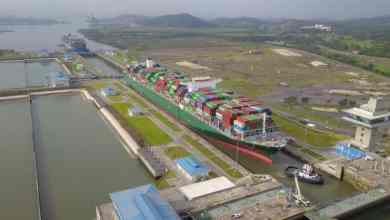
Pricing data implies pendulum is swinging even more toward East Coast ports at expense of West Coast.

Blasting out underwater “speedbumps” last hurdle for $485 million project.