




Greg Miller
Wednesday, January 29, 2020
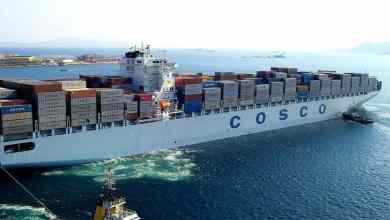
Container lines face intensifying cost squeeze
Liners confront higher ship-lease rates at the very time fuel prices are spiking.
Liners confront higher ship-lease rates at the very time fuel prices are spiking.

Trans-Pacific container volumes face escalating coronavirus risk.
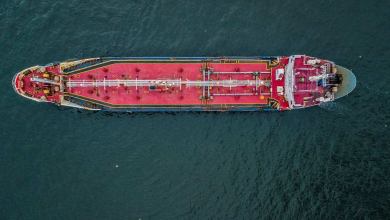
Chinese epidemic could curb ocean shipping demand.
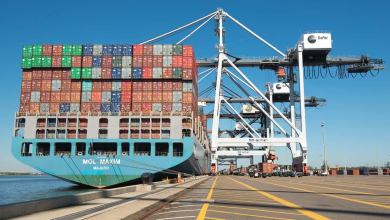
The Agriculture Transportation Coalition has developed service contract guidance its members can use to set parameters for when ocean carriers should issue or withhold detention and demurrage charges.

A new book places IMO 2020 in the context of a potential “third revolution” for shipping.
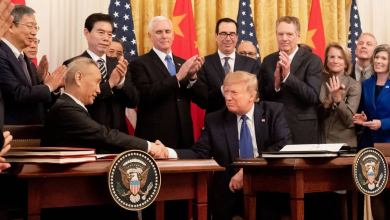
New pact is a plus for tankers, bulkers and box ships, but less so for equities.
A global container index offers a big-picture perspective on the worldwide supply/demand balance.
Few freight forwarders currently offer shipper-owned containers due to the lack of market transparency in their sourcing.
The shipping consultants Drewry predicts carriers should be able to return “solid if unspectacular results”in 2020.
Traditional U.S. import rush prior to Chinese holiday is subdued in 2020.
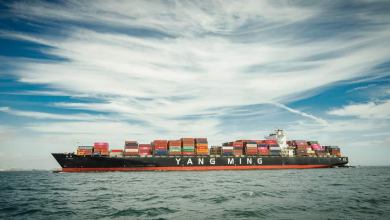
The high-stakes wild cards to watch in what promises to be a volatile year.
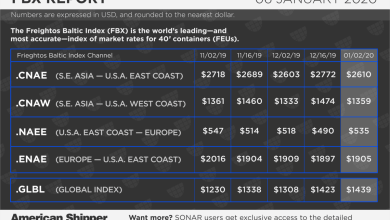
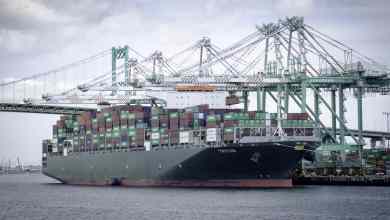
MSI expects bunker surcharges to also be a factor in container rates.
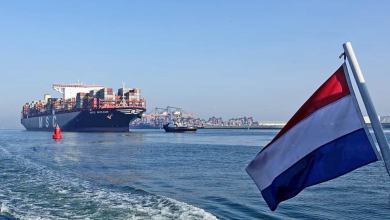
Trans-Pacific container rates continue to fall as Asia-Europe rates continue to rise.

Concerns rise that shipping can’t recoup cost of IMO 2020-compliant fuel.
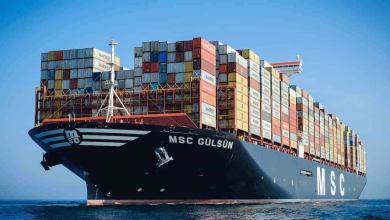
A falling trade-to-GDP ratio is a worrying trend for the shipping industry.
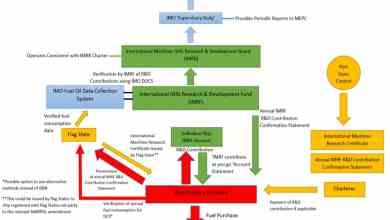
As carbon tax on ocean shipping appears more likely, industry lays groundwork for future collection.
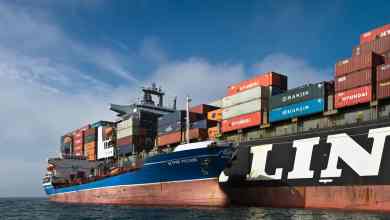
New independent research reveals that lines are failing to adequately explain how IMO 2020 fuel bill surcharges are calculated.

U.S.-China deal should boost shipping stock sentiment, assuming investors believe it’ll stick.

CAI International, one of the world’s largest container lessors, is reviewing strategic alternatives with the help of Centerview Partners.