




Greg Miller
Thursday, January 5, 2023
Top 10 container lines: How did rankings change during boom?
The top 10 liner operators hiked aggregate capacity by 13% in 2000-22 and continue to control 85% of the global fleet.
The top 10 liner operators hiked aggregate capacity by 13% in 2000-22 and continue to control 85% of the global fleet.
The predicted boost to tanker rates from Russian crude disruptions has yet to materialize. Instead, rates have declined.
Just as the pandemic wound down, another market-altering event for shipping — the Ukraine-Russia war — ramped up.
Container shipping lines are gradually getting their services back on schedule, but they still have a long way to go.

Trans-Pacific spot rates fell first. Trans-Atlantic spot rates and Asia-U.S. contract rates look like they’re next in line.

Backers of a shipping regulation that begins Jan. 1 believe it will reduce carbon emissions. Critics warn it could backfire and increase them.
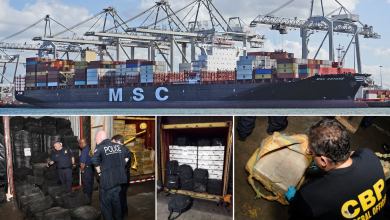
The U.S. could seek forfeiture of the MSC Gayane, a large ship involved in an infamous smuggling operation, says Bloomberg Businessweek.
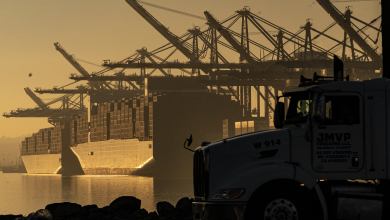
Containerized imports to the ports of Los Angeles and Long Beach have now fallen well below pre-COVID levels.
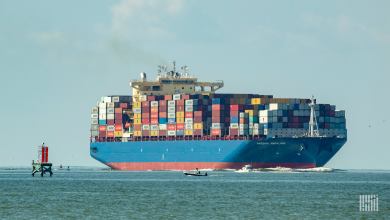
November saw another double-digit drop in America’s containerized imports, driven by sinking volumes from Asia.

Shipping giant Maersk changes leadership as it transitions from a period of massive profits to one of challenging market conditions.

Faster easing of China’s COVID restrictions could provide eventual support for container and dry bulk markets and a more immediate boost for tankers.
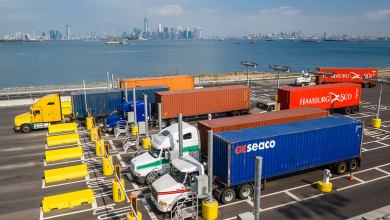
GCT will sell its terminal operations in Staten Island, New York, and Bayonne, New Jersey, to shipping giant CMA CGM.
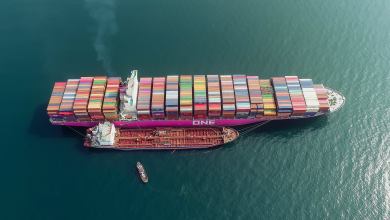
Declining ship fuel prices equate to savings for containerized cargo shippers and lower costs for tanker and bulker owners.
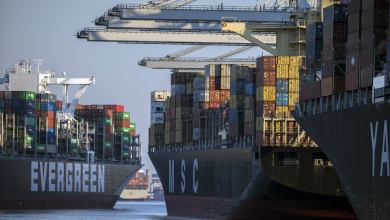
Spot shipping rates continue their historic slide, putting even more pressure on container lines’ contract business.
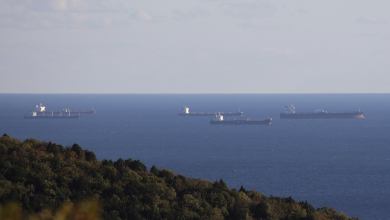
Even if no oil moves under price caps, Russian exports could face deep discounts and continue to flow via “shadow tankers.”

Hopes that China will relax its zero-COVID policy are fading, raising concerns about shipping volume fallout.
Southern California’s container-ship logjam ends as congestion eases at East and Gulf Coast ports.
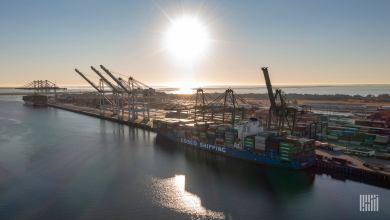
Ocean carriers have been shielded by lucrative annual contracts with cargo shippers, but contract coverage is starting to crumble.
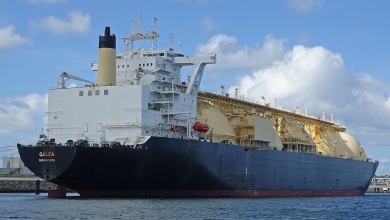
Stratospheric LNG shipping rates offer a lesson on the do’s and don’ts of measuring earnings momentum.
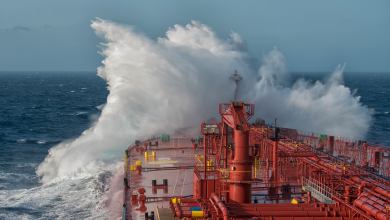
Global energy trades face even more tumult ahead. “This could get crazy,” says Scorpio Tankers’ Robert Bugbee.