EVs for all: What Biden’s executive order means for gig economy
President Biden wants half of all vehicles to be electric by 2030, and ride-hailing companies will need to adapt to survive.


Following a strong quarter for Uber’s delivery segment, analysts say buy.
Lyft says it will be adjusted-EBITDA profitable for all of FY 2021.
Gig economy employers are feeling the pressure to provide benefits and protections to drivers.
The one-stop income verification provider is meeting the needs of a swelling independent workforce.
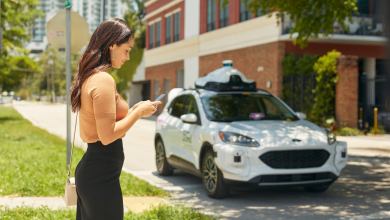
Lyft riders in Miami will be able to choose a self-driving car later this year through an agreement with Ford and autonomous-tech company Argo AI.
Chinese ride-hailing company Didi has filed for an IPO on the New York Stock Exchange, but some analysts are already questioning the long-term value of the stock.
Security firm ADT has introduced free apps that allow rideshare and delivery drivers as well as passengers to connect discreetly with emergency services when they feel at risk.
Rideshare drivers sometimes need a cash advance to cover short-term expenses, but traditional banks offer few options. COVERR hopes to bridge that gap.
Conflicting surveys continue to cloud the picture on the best approach to employment status for gig workers, leaving legislators, companies and drivers in a state of uncertainty.
In an investment note this week, Mizuho Securities USA indicated it believes the Biden administration is more likely to issue guidance on gig worker classification rather than a formal rule.
Uber is reportedly close to a deal with GMB, a U.K.-based labor union, to provide representation for rideshare drivers as it works to comply with a recent U.K. Supreme Court decision saying drivers were entitled to minimum wage.
The California Air Resources Board has voted to require rideshare companies like Uber and Lyft to conduct 90% of all rides in electric vehicles by 2030.
Like the rest of the economy, gig economy companies are struggling to find drivers, and that could have a negative impact on the growth opportunity for the industry moving forward.
While some organizations blasted the Biden administration’s decision to withdraw a rule on employee classification, executives from Lyft and Uber have struck measured tones.
In 2017, Lyft launched its Level 5 division, which would focus on developing an autonomous vehicle. Last month, the company pivoted away from that, selling the division, although it still harbors visions of Lyft riders in autonomous vehicles.
Lyft reported a narrower loss in its Q1 earnings as riders began returning to the platform.
Woven Planet, a subsidiary of Toyota Motor Corp., has agreed to acquire the self-driving vehicle business Level 5 from Lyft.
Two Democratic senators have introduced a bill that would offer gig workers a $250 unemployment benefit as part of an overhaul of unemployment insurance.
California has proposed a sustainability regulation for transportation network companies, including Uber and Lyft, that would require 90% of all rides to take place in electric vehicles by 2030.